Water Ingress & Elevator Failures: The $100,000 Risk Many Sydney Buildings Overlook
Heavy rain and poor water management in commercial buildings can quickly become a catastrophic operational and financial risk — particularly where elevators and basement infrastructure are involved.
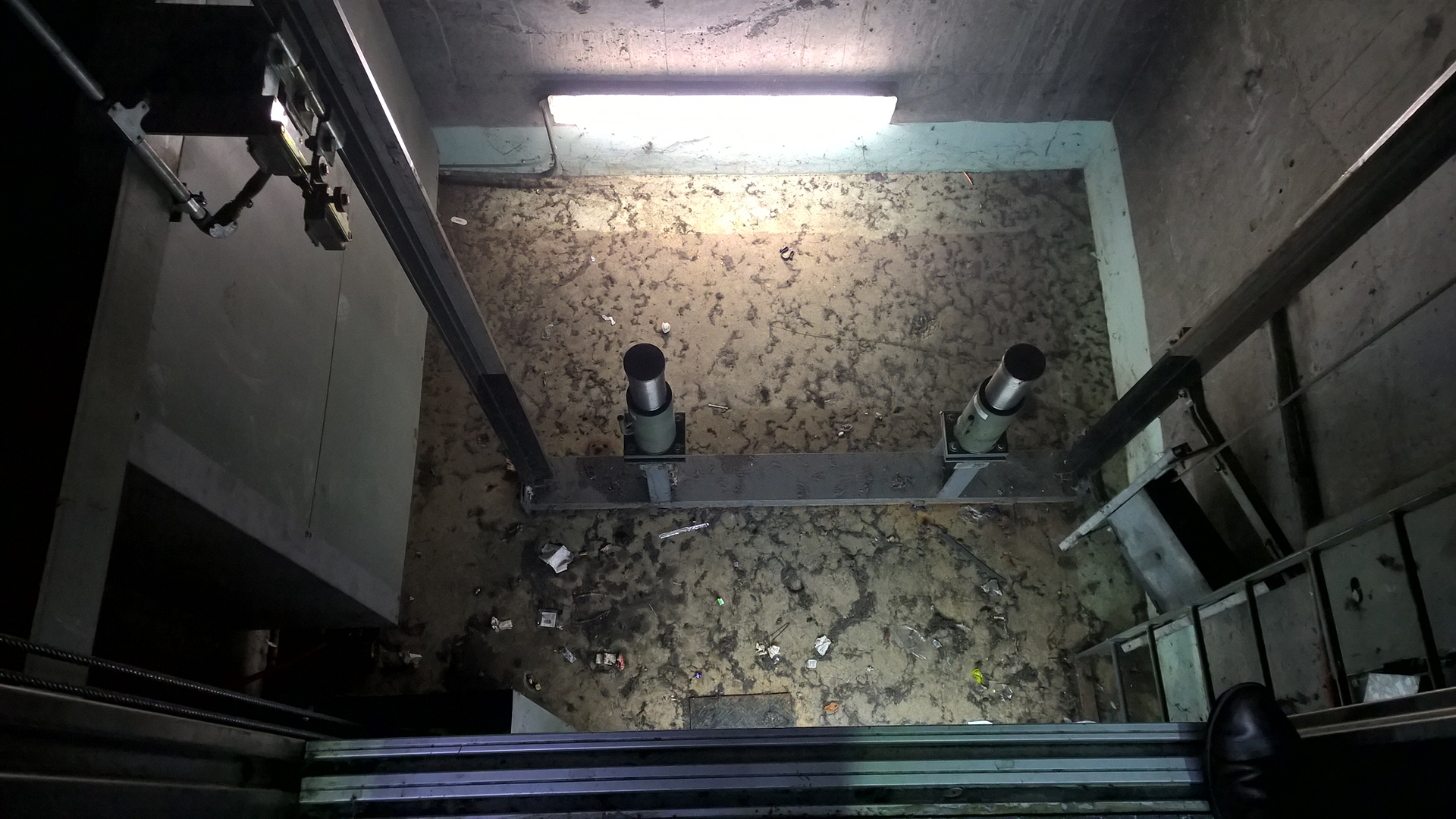
We recently attended a Sydney commercial building where stormwater ingress flooded the elevator pit during a period of intense rainfall. What initially appeared to be a relatively straightforward drainage issue rapidly escalated into a major building asset failure affecting both lift operations and tenant accessibility.
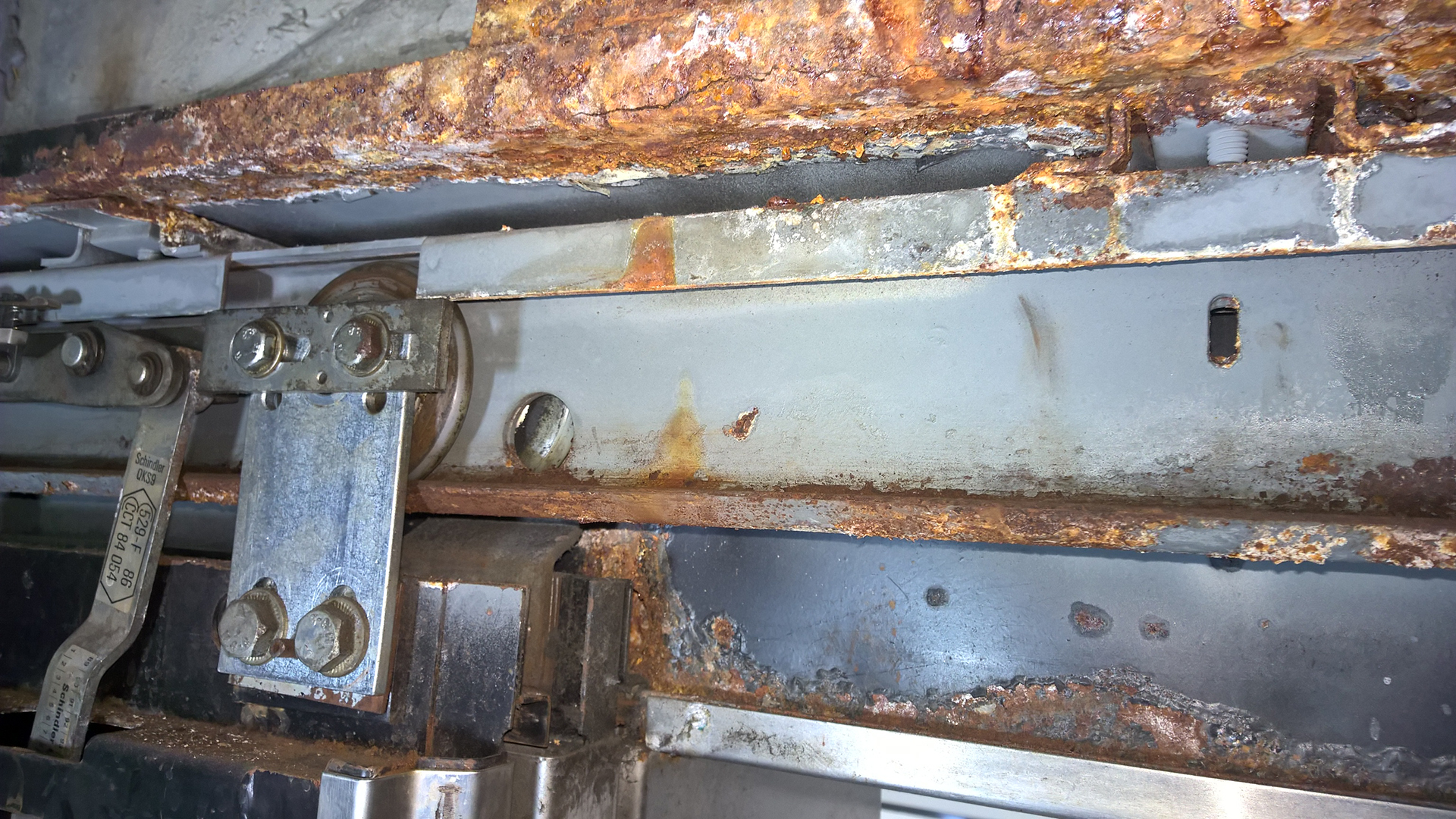
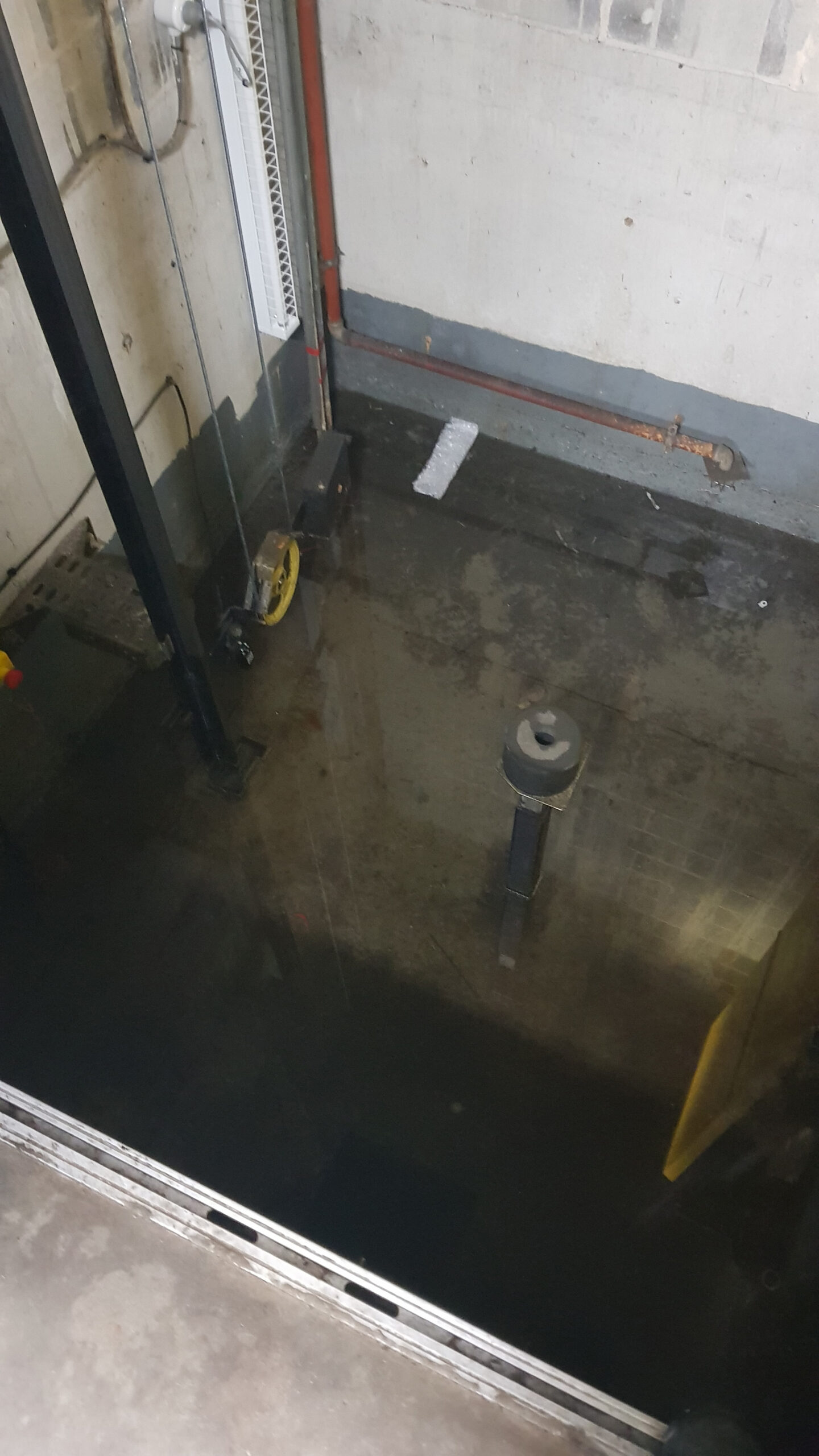
Water entered the lift pit and damaged critical elevator infrastructure including electrical components, safety circuits, controllers, cabling, sensors, and door systems. By the time the flooding was identified, the pit had completely filled with water and had begun overflowing into the lift lobby landing area.
The outcome was severe:
- Elevator out of service for almost three months
- Repair and replacement costs exceeding $100,000
- Significant disruption to tenants and visitors
- Safety and compliance concerns
- Operational pressure on building management and owners
- Extended delays awaiting specialist lift contractor attendance, testing, certification, and replacement parts
Many building owners underestimate how vulnerable lift pits and basement services are during heavy rain events, particularly in ageing Sydney buildings where waterproofing systems, stormwater infrastructure, and sump arrangements may already be under pressure.
In this particular case, our initial task was not even repairing the elevator system itself. Before lift mechanics could safely assess the damage or prepare a quotation, the pit first had to be made safe, dry, and accessible.
That process presented its own challenges.
The elevator contractor had isolated all power to the lift system for safety reasons and could not immediately attend site. Meanwhile, water levels continued rising and there was concern that additional damage was occurring to components within the shaft and car door systems.
With limited access available, we were forced to carefully feed a narrow suction hose between the lift car and landing doors in an attempt to begin extracting water before further damage occurred.
Even this became complicated. It was not simply a matter of pumping water out. A discharge point had to be identified that would not short-cycle the stormwater back into the building drainage system and return the water directly back into the lift pit.
An emergency plumber was mobilised and attended site alongside our technical team. Together, temporary measures were implemented to stop the returning water source and progressively evacuate the pit completely.
The water ingress source was eventually identified and rectified, at least temporarily. Unfortunately, by that stage, water had already travelled down the lift shaft and caused extensive damage to door electrical systems and other critical elevator components.
Situations like this highlight why proactive building monitoring and preventative maintenance are becoming increasingly important across Sydney commercial and strata properties.
A relatively low-cost Building Management System (BMS) water detection sensor may have provided early warning and significantly reduced the extent of the damage.
We regularly deploy similar water detection systems beneath CRAC units and critical infrastructure within client data centres. Once water contacts the sensor, alarms can immediately activate through the BMS, trigger remote notifications, or escalate through automated dialler systems operating on a round-robin call sequence until acknowledged.
In a situation like this, earlier detection may have provided valuable response time before the elevator pit completely flooded.
For property managers, facility managers, and strata committees, incidents like this reinforce the importance of:
- Lift pit inspections
- Stormwater and drainage audits
- Sump pump testing
- Waterproofing reviews
- Flood response planning
- Remote alarm monitoring
- Preventative maintenance strategies for ageing assets
Extreme weather events across Sydney are placing increasing pressure on commercial buildings and their infrastructure. What appears to be a minor drainage issue can rapidly evolve into a major operational disruption with long-term financial consequences.
Preventative maintenance and proactive monitoring will almost always cost less than major asset failure and prolonged building downtime.
Flooded Elevator Pit
Elevator Pits & Water Ingress Risks
Elevator pits are classified as hazardous service areas containing critical electrical, mechanical, and safety infrastructure. Water ingress into lift shafts or pits can create serious risks including:
- electrical failure
- corrosion of safety components
- failure of door systems
- unsafe operating conditions
- extended shutdown periods
- non-compliance with maintenance and safety obligations
Australian Standards relating to lift safety, electrical systems, and building waterproofing require lift equipment to remain protected from water ingress and environmental damage. Once flooding occurs, lift systems typically require isolation, inspection, testing, and certification by specialist elevator contractors before being returned to service.
In many commercial and strata buildings, elevator pits are among the lowest points in the building and therefore highly vulnerable during:
- intense rainfall events
- stormwater failures
- blocked drainage systems
- failed sump pumps
- basement flooding incidents
Early warning systems such as BMS-connected flood sensors, sump alarms, and remote monitoring can significantly reduce risk and response times.