Supporting Better Fixed Asset Planning
One of the most valuable outcomes of structured lifecycle control is the ability to make informed, evidence-based decisions regarding the fixed assets within a commercial building.
In the commercial property and facility management environment, the term “asset” can sometimes refer to the building itself, the investment, or the broader property portfolio. In practical operational terms however, the real day-to-day challenges often relate to the fixed assets inside the building — the physical plant and infrastructure that keep the facility operational.
These fixed assets commonly include:
- chillers and boilers
- air handling units
- cooling towers
- Building Management Systems (BMS)
- electrical switchboards
- pumps and variable speed drives
- fire and smoke control systems
- car park ventilation systems
- generators and emergency systems
- energy metering infrastructure
- lifts and vertical transport systems
Across many commercial buildings throughout Sydney, Melbourne, and Canberra, these systems are now ageing significantly. In many cases, buildings continue operating with infrastructure that is well beyond its intended design life.
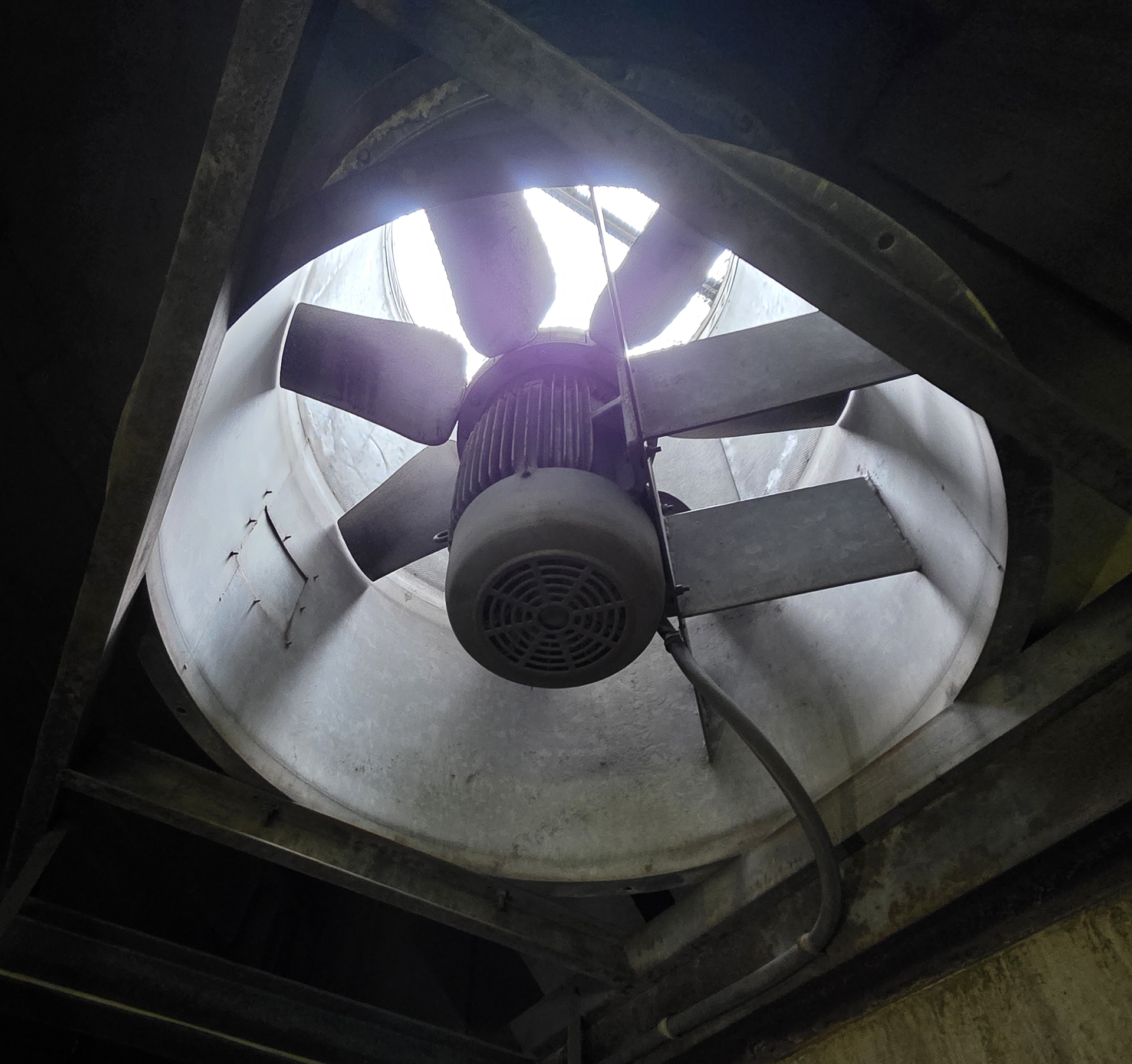
While older systems may still appear functional, the hidden operational risks can steadily increase over time. Spare parts become harder to source, manufacturer support disappears, maintenance costs rise, controls become unstable, and contractor dependency on legacy knowledge increases.
Without clear visibility of fixed asset condition and lifecycle status, many buildings eventually fall into reactive maintenance and reactive capital expenditure patterns.
This often results in:
- emergency breakdown replacements
- after-hours contractor costs
- tenant disruption
- temporary plant hire
- increased operational risk
- difficulty budgeting future works
- pressure on building management teams
- disputes between owners, contractors, and stakeholders
One of the most overlooked tools in this process is the building fixed asset register.
A properly maintained fixed asset register should not simply be a forgotten spreadsheet stored away after handover or a due diligence exercise. It should become a live operational document that evolves alongside the building.
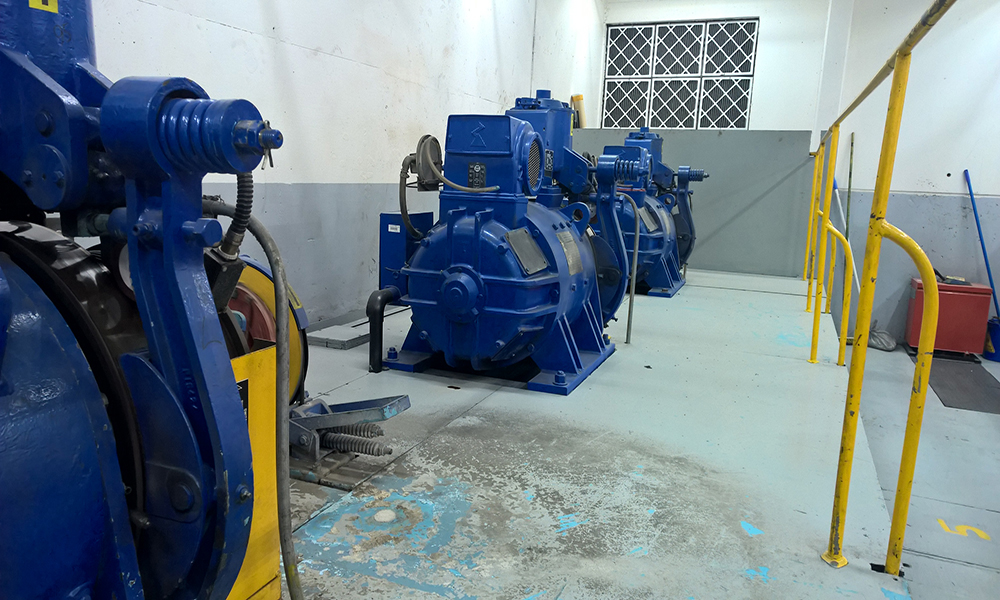
When maintained properly by onsite building management staff, contractors, or engineering personnel, a live fixed asset register can significantly improve operational visibility for:
- facility managers
- property managers
- strata managers
- landlords
- portfolio managers
A well-managed register allows stakeholders to quickly understand:
- what equipment exists
- where it is located
- asset age
- maintenance history
- service contractor details
- warranty information
- operational criticality
- expected replacement timelines
- obsolescence risks
For larger commercial buildings and mixed-use facilities in Sydney and Melbourne especially, where contractor turnover and portfolio complexity can become significant, maintaining accurate fixed asset information can dramatically reduce inefficiencies and operational confusion.
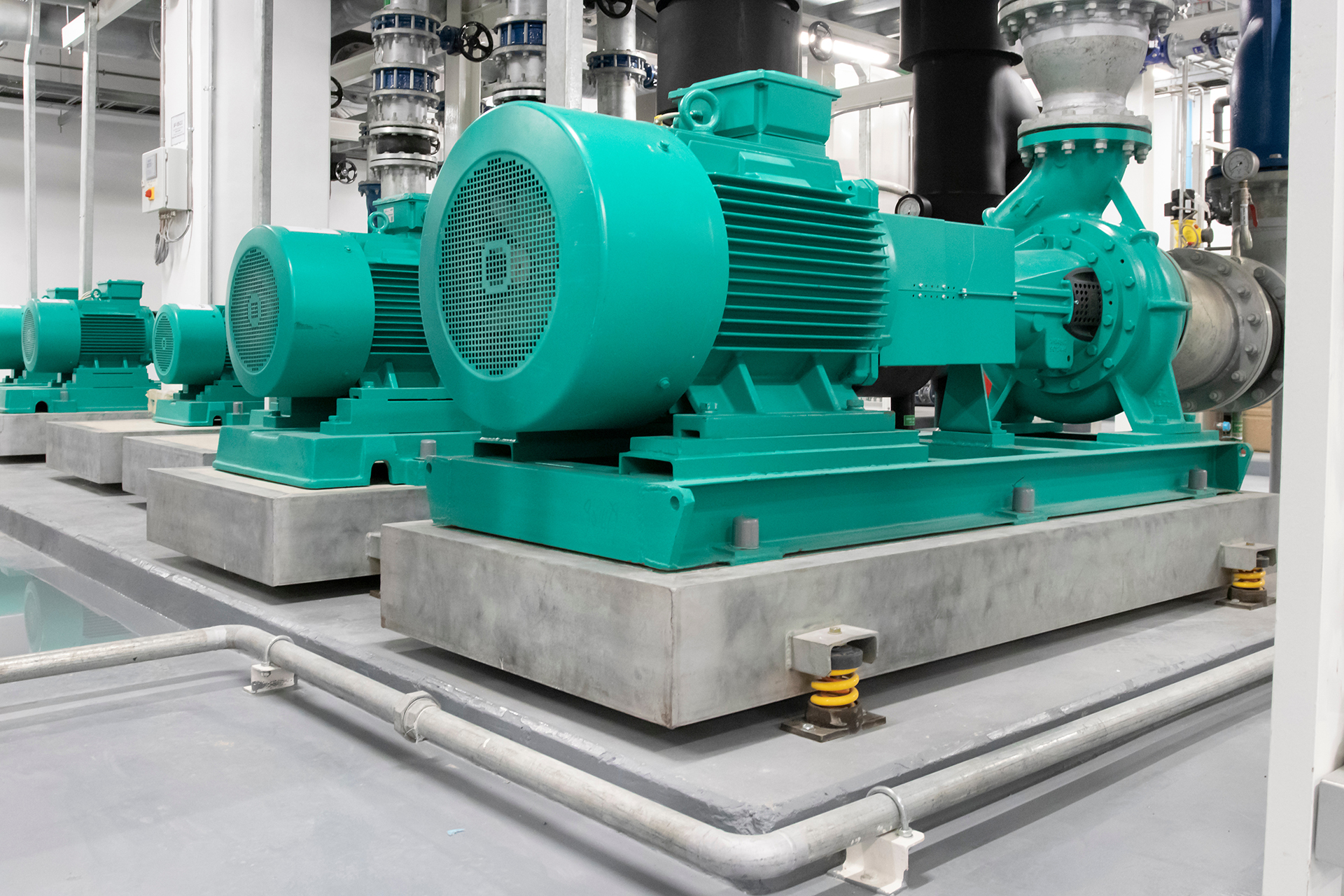
In many cases, building managers already hold much of this knowledge informally. The challenge is that the information often remains trapped:
- in contractor reports
- inside individual spreadsheets
- within maintenance software
- in emails
- or simply in the experience of long-term site staff
Formalising this into a structured, live fixed asset management process creates substantial operational benefits.
From a facility management perspective, this makes life considerably easier when:
- preparing annual budgets
- forecasting capital works
- managing tenders
- planning shutdowns
- reviewing contractor performance
- responding to failures
- supporting insurance assessments
- conducting technical due diligence
Importantly, effective fixed asset planning is not simply about replacing equipment based purely on age.
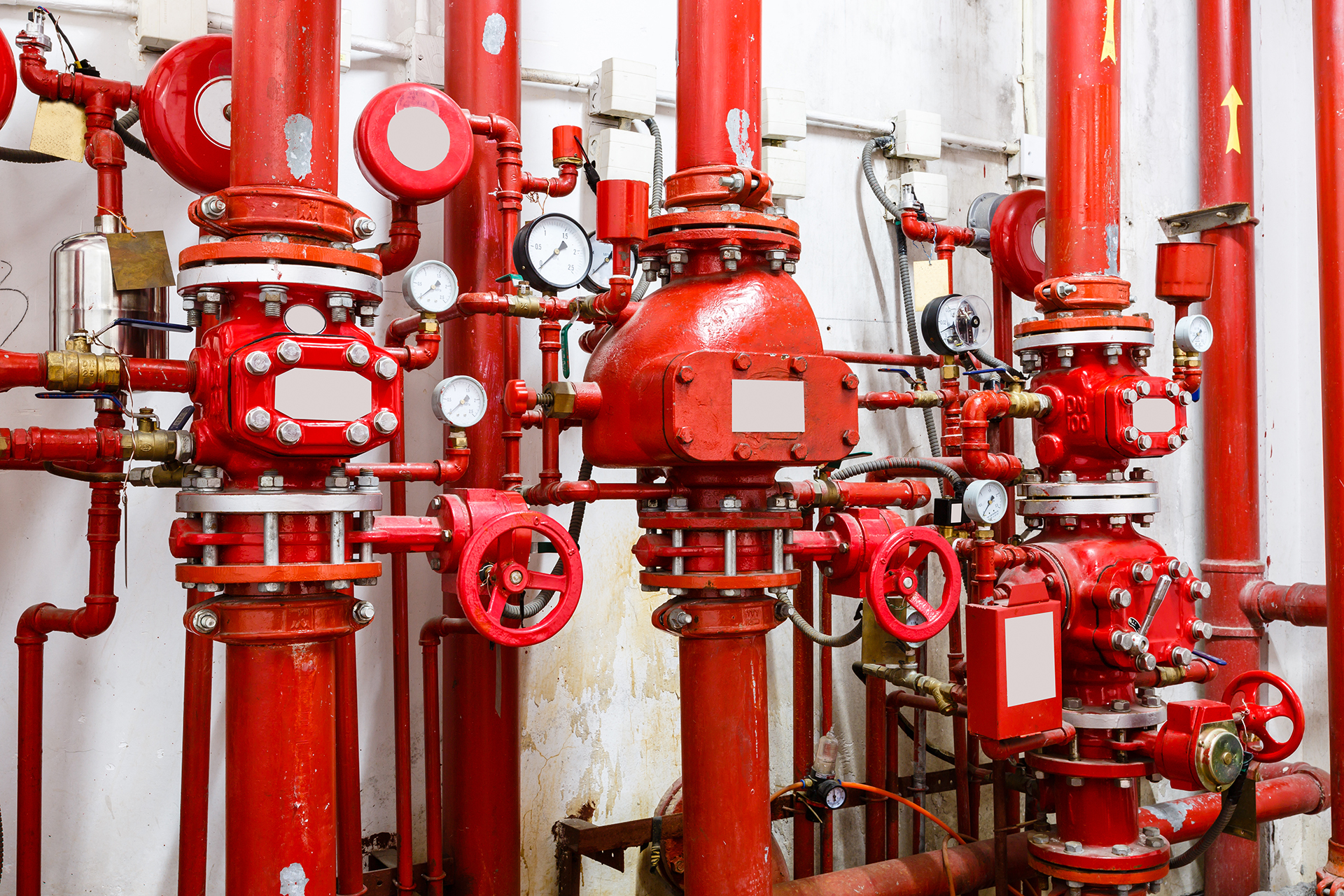
Some older plant may remain operationally reliable with appropriate maintenance strategies, while newer systems may already present risks due to:
- poor commissioning
- lack of maintenance
- obsolete proprietary controls
- poor installation practices
- incorrect operating sequences
- inadequate BMS integration
This is where technical operational knowledge becomes extremely important.
Through building audits, maintenance reviews, operational inspections, and Building Management System data analysis where available, we help clients better understand:
- remaining useful life
- operational reliability
- energy performance
- maintenance burden
- compliance exposure
- vendor dependency risks
- upgrade urgency
- future capital requirements
Where suitable infrastructure exists, Building Management Systems can also support fixed asset planning through:
- run hour monitoring
- alarm history analysis
- trend logging
- energy consumption monitoring
- equipment cycling analysis
- fault reporting
This operational intelligence allows stakeholders to move away from reactive maintenance and toward more structured long-term infrastructure planning.
For many commercial buildings across Canberra, Melbourne, and Sydney, particularly ageing office buildings, strata towers, retail centres, and unsupervised facilities, maintaining an accurate live fixed asset register combined with structured lifecycle planning can become one of the most valuable operational tools within the building management process.

Deferred Maintenance Is Not a Savings Strategy
Many commercial buildings appear profitable because major capital expenditure has been deferred for years.
Unfortunately, deferred maintenance rarely eliminates expenditure; it simply transfers risk into the future. Chillers, switchboards, lifts, fire systems, pumps, and building management systems continue to age regardless of annual maintenance budgets.
A structured fixed asset plan helps owners understand which costs are unavoidable, which assets can be extended, and which risks require immediate attention. Effective planning allows landlords to make informed decisions based on asset condition and business objectives, rather than being forced into costly reactive replacements.

The Cost of Getting Asset Planning Wrong
One of the largest risks faced by building owners is being surprised by a major asset failure.
Examples include:
- Chillers failing during summer.
- Obsolete BMS systems becoming unsupported.
- Lift control systems reaching end-of-life.
- Fire systems requiring compliance upgrades.
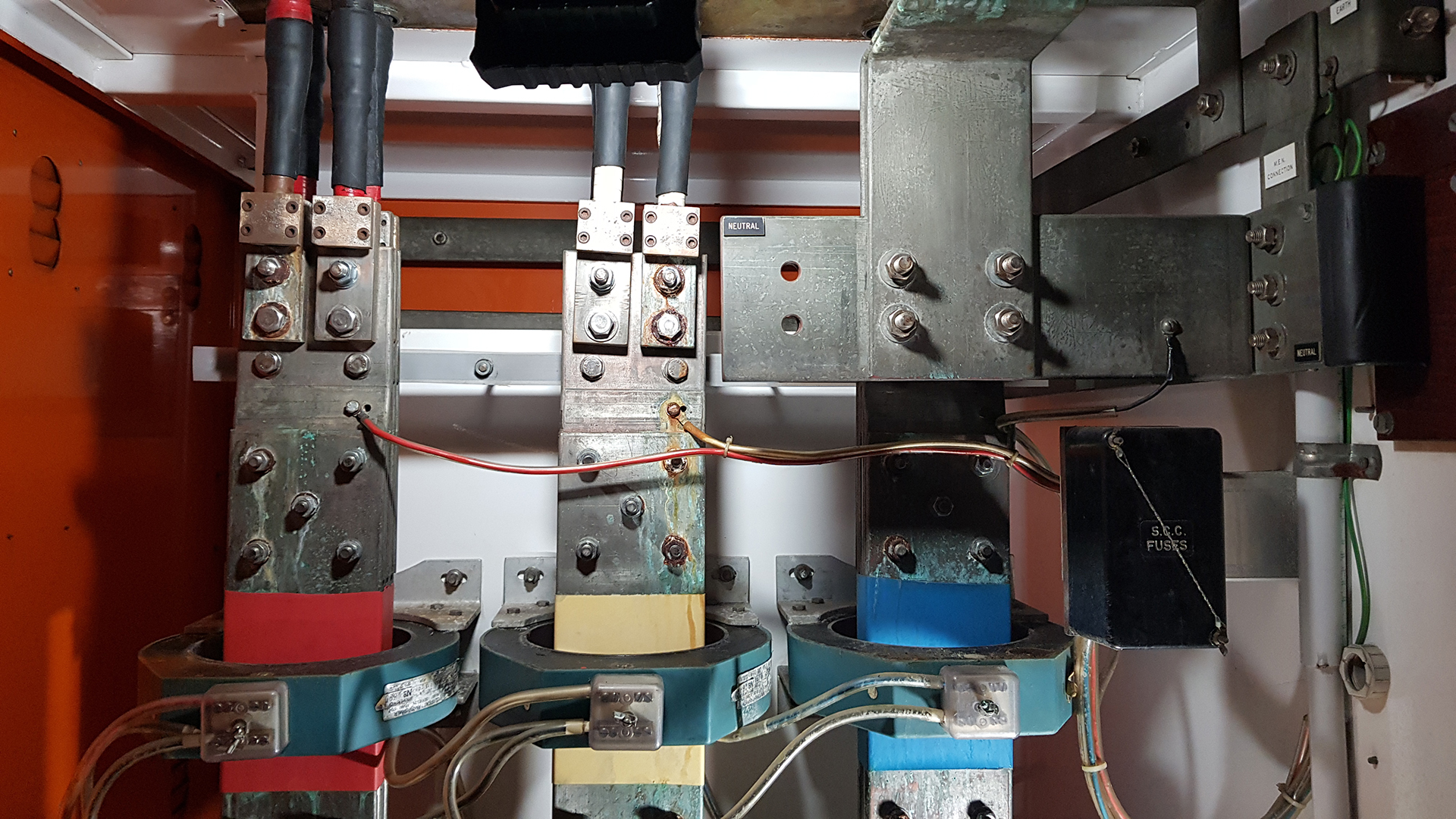
- Switchboards requiring replacement due to condition or compliance concerns.
When replacement becomes reactive rather than planned, costs often increase substantially and operational disruption becomes unavoidable.
Obsolete Building Systems Create Hidden Liabilities
Age alone does not make an asset a problem.
Obsolescence often creates greater risk than physical condition.
Many commercial buildings still rely on:
- Legacy BMS controllers.
- Unsupported software.
- Discontinued fire panels.
- Obsolete VSDs.
- Proprietary communication gateways.
- Equipment supported by a shrinking pool of technicians.
A fixed asset plan should identify not only equipment condition but also technology risks and future supportability concerns.
Asset Planning for Older Buildings
Older buildings often represent the greatest opportunity.
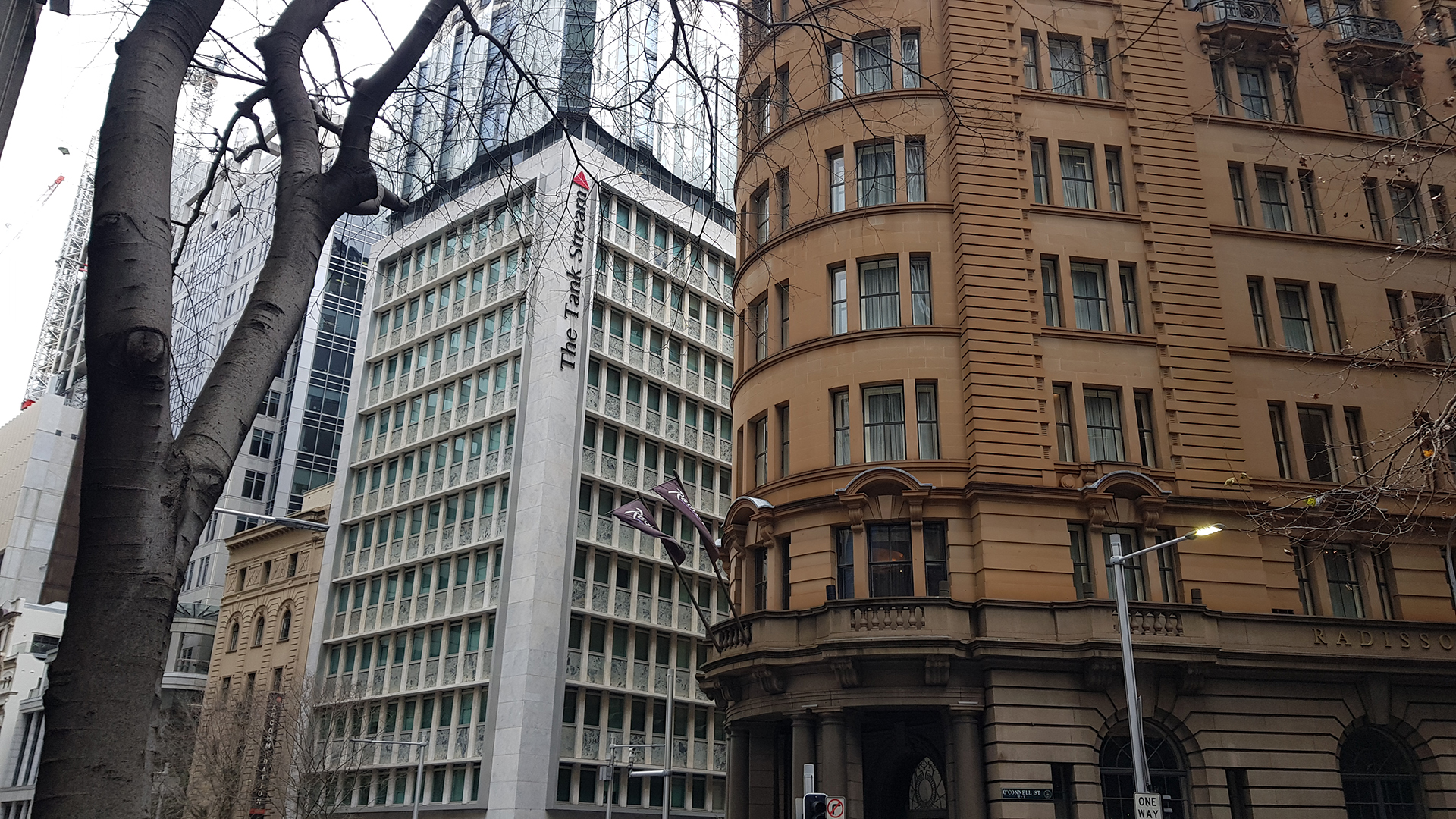
Many buildings constructed during the 1970s, 1980s, and 1990s contain fundamentally sound infrastructure but suffer from:
- Incomplete records.
- Aging controls.
- Legacy operating strategies.
- Deferred maintenance.
- Fragmented contractor knowledge.
With appropriate planning, these assets can often deliver many more years of reliable operation without wholesale replacement.

Asset Planning Supports Property Transactions
Commercial property transactions are often focused on leases, rental income, occupancy rates, and investment returns. However, the condition of a building’s fixed assets can have a significant impact on the true value of the property and the risks being acquired by a purchaser.
Major building systems such as HVAC, electrical infrastructure, fire protection systems, lifts, Building Management Systems (BMS), and hydraulic services can represent substantial future capital expenditure if their condition and remaining life are not properly understood.
Many sophisticated purchasers, investors, and lenders commission Technical Due Diligence reports to identify deferred maintenance, obsolete systems, compliance concerns, and major assets approaching replacement. These findings can influence negotiations, valuations, and future investment decisions.
A structured Fixed Asset Plan helps reduce uncertainty by providing visibility of asset condition, remaining useful life, and future capital requirements. Whether buying, selling, refinancing, or holding a property long-term, understanding future liabilities helps owners and investors make more informed decisions.
From Asset Register to Capital Plan
Effective Fixed Asset Planning does not begin with a capital budget; it begins with understanding the building itself.
Many commercial property owners are surprised to discover that they do not have a complete inventory of their building assets, accurate installation dates, reliable maintenance records, or a clear understanding of the condition of major plant and equipment. Without this information, long-term capital planning becomes little more than an educated guess.
The journey typically starts with a Fixed Asset Register, which establishes exactly what assets exist, where they are located, their age, and their purpose within the building. Once the assets are identified, Building Audits and Technical Due Diligence assessments help verify asset condition, identify operational risks, and uncover hidden liabilities that may affect future expenditure.
From there, Asset Lifecycle Control provides a structured methodology for assessing remaining useful life, maintenance requirements, replacement priorities, and future investment needs. Additional technical reviews such as Energy Audits and HVAC Audits can identify opportunities to improve performance, reduce operating costs, extend asset life, and potentially avoid unnecessary capital expenditure.
Once the building systems, operational risks, and asset conditions are properly understood, a realistic capital forecast can be developed. This allows landlords, asset managers, and property managers to move from reactive spending towards a planned and strategic investment approach.
The final piece of the puzzle is ensuring that maintenance activities align with the long-term asset strategy. Well-structured Service Level Agreements (SLAs) help ensure contractors, service providers, and facility management teams work towards common asset performance objectives rather than simply responding to breakdowns.
Related Services:
- • Fixed Asset Registers
- • Building Audits
- • Technical Due Diligence
- • Asset Lifecycle Control
- • Energy Audits
- • HVAC Audits
- • Service Level Agreements (SLA)


Creating a 5-Year Capital Plan
A five-year capital plan focuses on the assets most likely to require significant expenditure in the near future. The objective is not simply to predict failures, but to provide building owners and property managers with sufficient visibility to make informed financial decisions before those failures occur.
Most commercial buildings contain assets that are approaching the end of their economic or operational life. Chillers, cooling towers, lifts, switchboards, fire systems, pumps, Building Management Systems (BMS), and hydraulic infrastructure all have finite lifecycles. While many assets can continue operating beyond their expected life expectancy, the risks associated with reliability, efficiency, compliance, and supportability generally increase over time.
A structured five-year capital plan identifies assets that may require replacement, refurbishment, major overhaul, or further investigation. It also allows expenditure to be staged and prioritised based on operational risk, tenant impact, budget constraints, and business objectives.
For property managers, a five-year capital plan assists with annual budget preparation and helps support discussions with landlords regarding future expenditure requirements. For landlords and investors, it reduces the likelihood of unexpected capital shocks and enables a more proactive approach to asset management.
Ultimately, a five-year plan transforms capital expenditure from an emergency response into a strategic decision.

Creating a 10-Year Capital Plan
While a five-year plan focuses on immediate priorities, a ten-year capital plan provides a broader strategic view of the asset and its future investment requirements.
Commercial buildings are long-term investments, and many major building systems operate over periods measured in decades. Understanding when significant infrastructure is likely to require replacement allows owners to align capital expenditure with leasing strategies, asset repositioning plans, refinancing activities, acquisition decisions, and long-term portfolio objectives.
A ten-year plan considers the likely lifecycle of major infrastructure including HVAC systems, electrical infrastructure, Building Management Systems, fire protection systems, lifts, hydraulic services, energy management systems, and other critical building assets. It also identifies future opportunities for upgrades, modernisation, sustainability initiatives, energy efficiency improvements, and technology integration.
For asset managers and institutional investors, a ten-year capital plan provides greater certainty regarding future liabilities and helps ensure sufficient capital reserves are available when major works become necessary. It also assists in identifying assets that may present future operational, compliance, or obsolescence risks.
The most effective capital plans are not static documents. They are regularly reviewed and updated as building conditions change, assets are upgraded, maintenance strategies evolve, and new information becomes available. When supported by accurate asset registers, condition audits, and technical due diligence, a ten-year capital plan becomes a powerful decision-making tool that helps protect asset value and improve long-term investment performance.