
Facility Management KPI Reporting
Engineering-Led Reporting, Contractor Accountability & Building Performance Intelligence
At Performance Facility Management, we believe modern facility management should be measured, transparent, technically accountable, and performance driven.
Too often, landlords and property managers receive monthly reports filled with contractor attendance records, invoice summaries, and reactive work orders, yet still have very little understanding of how their buildings are genuinely performing.
A contractor may attend site quickly, but the defect may continue recurring.
An invoice may be approved, however the system may never have been properly tested.
A maintenance contract may appear compliant on paper, while major operational risks continue building in the background.
True facility management KPI reporting should provide far more than administrative updates.
It should deliver operational intelligence.
It should identify building performance trends, contractor strengths and weaknesses, recurring asset failures, compliance exposure, energy inefficiencies, tenant frustration, and operational risk before these issues escalate into major financial or compliance problems.
Our KPI reporting framework has been developed specifically for commercial property environments where stakeholders require meaningful visibility over the operational performance of their buildings, contractors, infrastructure systems, and maintenance budgets.
This includes:
- Commercial office buildings
- Shopping centres & retail facilities
- Premium residential & mixed-use developments
- Industrial and logistics facilities
- Strata portfolios
- Older B-Grade and C-Grade commercial buildings
- Unsupervised buildings
- Regional shopping centres
- Multi-site commercial portfolios
Rather than focusing solely on maintenance administration, we focus on how buildings actually operate.

Engineering-Led Facility Management Reporting
One of the major differences between Performance Facility Management and traditional facility management providers is our strong engineering and building systems background.
Our experience across HVAC systems, Building Management Systems (BMS), mechanical electrical infrastructure, energy management, automation, compliance systems, and building optimisation allows us to assess not simply whether work has been completed, but whether building systems are genuinely operating correctly and efficiently.
This distinction is important.
In many buildings, contractors attend site, complete basic tasks, close work orders, and submit invoices, however the underlying operational issues continue unresolved.
Buildings can slowly drift into operational inefficiency through:
- Poor controls strategies
- Incorrect scheduling
- Failing sensors
- Obsolete plant
- Repetitive reactive maintenance
- Lack of system integration
- Inadequate commissioning
- Deferred maintenance
- Poor contractor oversight
- Inconsistent compliance management
Over time, these issues can lead to:
- Increased tenant complaints
- Escalating energy consumption
- Reduced HVAC performance
- Equipment failure
- Higher maintenance costs
- Compliance exposure
- Reduced asset value
- Poor tenant retention
- Unplanned capital expenditure
Our KPI reporting framework seeks to identify these trends early and provide landlords and property managers with clearer operational visibility.

Response Time KPI Reporting
Response times remain one of the most visible indicators of contractor performance and operational efficiency within a commercial building environment.
For landlords and property managers, delayed responses often lead directly to tenant frustration, operational disruption, reputational damage, and increased escalation pressure.
At Performance Facility Management, we track and analyse response time performance across multiple contractor disciplines and operational categories.
This may include:
- Emergency response attendance
- Reactive maintenance response times
- High-priority fault escalation
- After-hours attendance
- Contractor dispatch efficiency
- Work order acknowledgement timing
- Tenant communication response times
- Critical defect escalation
- Mean time to attend (MTTA)
However, we do not simply measure speed.
We analyse whether the urgency level was appropriate, whether communication standards were acceptable, whether the response was technically competent, and whether the issue was properly resolved.
Many contractors may technically “attend within KPI,” while still failing to deliver meaningful operational outcomes.
Our reporting seeks to identify these patterns so property managers and landlords can make informed operational and contractor management decisions.
Over time, this creates stronger accountability across the contractor network and improved service delivery for building occupants.
Work Order Closeout & Defect Resolution Reporting
A rapid response is of limited value if the underlying issue remains unresolved.
This is why Performance Facility Management places strong emphasis on work order closeout quality, repeat defect analysis, and true operational resolution.
In many commercial buildings, recurring defects become normalised.
A tenant may repeatedly report temperature issues.
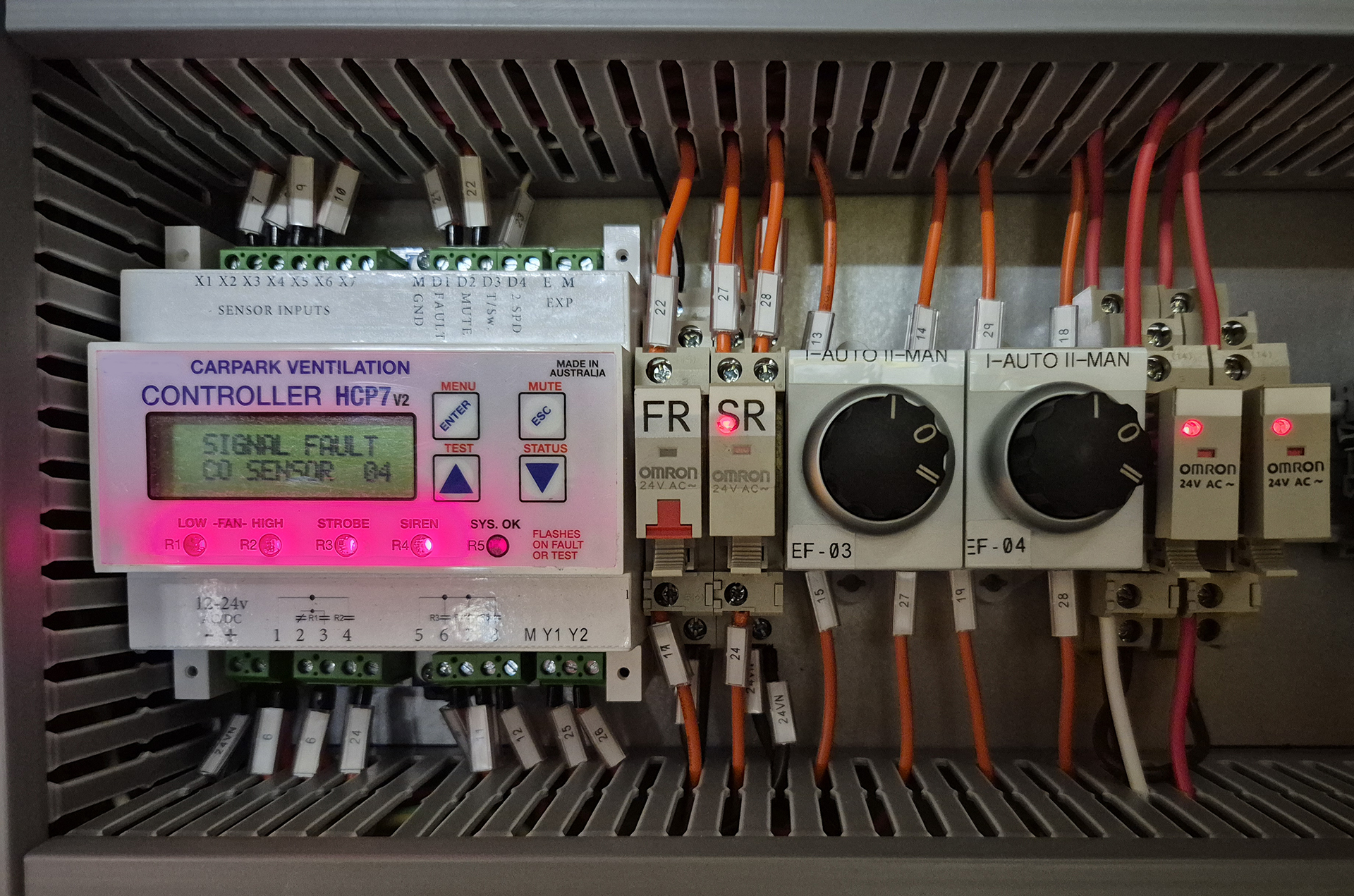
A car park fan fault may continuously reset.
A VSD alarm may reappear weekly.
A boiler may cycle in and out of fault conditions for months.
Traditional reporting environments often fail to identify these recurring operational patterns.
Our KPI reporting framework focuses heavily on identifying unresolved operational trends, including:
- Repeat defects
- Repeat contractor attendance
- Mean time to repair (MTTR)
- Open versus closed work order ratios
- Defect backlog ageing
- Temporary versus permanent repairs
- Delayed works
- Parts procurement delays
- Outstanding quotations
- Escalated defects
- Recurring reactive maintenance
This reporting assists landlords and property managers in identifying where operational inefficiencies are increasing maintenance costs or exposing the property to future risk.
Recurring defects are often early indicators of larger problems including:
- Asset deterioration
- Obsolete equipment
- Poor preventive maintenance
- Inadequate contractor capability
- Poor commissioning
- BMS integration failures
- Incorrect operating strategies
- Deferred capital replacement
By identifying these patterns early, building owners can make more informed operational and financial decisions.
HVAC Performance & Building Uptime Reporting
HVAC systems remain one of the most critical operational components within commercial buildings.
They are also one of the largest sources of tenant complaints, operational expenditure, and energy consumption.
For this reason, Performance Facility Management places significant emphasis on HVAC performance reporting and operational uptime analysis.
Rather than simply confirming that mechanical contractors attended site, we focus on understanding how the HVAC systems are genuinely performing across the building.
This may include analysis of:
- HVAC uptime percentages
- Chiller reliability
- Boiler availability
- Air handling unit performance
- Car park ventilation operation
- VSD alarm trends
- Critical plant runtime
- Fan failure frequency
- Temperature stability
- Occupancy scheduling performance
- BMS alarm history
- Mechanical plant cycling behaviour
- Energy consumption trends
- After-hours HVAC operation
- System fault frequency
Where Building Management Systems are installed, we can leverage historical trends, alarms, runtimes, and operational analytics to build a far more intelligent operational picture of the building.
This becomes especially valuable within:
- Older commercial buildings
- Buildings with ageing HVAC infrastructure
- Buildings with recurring comfort complaints
- Shopping centres
- Mixed-use developments
- Unsupervised buildings
- Regional facilities
- Buildings with poor energy performance
In many cases, relatively minor operational improvements can produce significant improvements in comfort, reliability, and energy efficiency.
Tenant Complaints & Occupant Experience KPI Reporting
Tenant complaints are often one of the clearest indicators of how effectively a building is being operated and maintained.
A technically compliant building can still deliver a poor occupant experience if building systems are unstable, poorly managed, or inconsistently maintained.
Performance Facility Management assists landlords and property managers by tracking and analysing occupant-related operational trends.
This may include:
- HVAC comfort complaints
- Hot and cold calls
- Lighting complaints
- Lift reliability complaints
- Odour complaints
- Water ingress issues
- Noise complaints
- Repetitive tenancy issues
- Complaint escalation trends
- Response satisfaction
- Reoccurring tenant disruptions
Importantly, our reporting goes beyond simply counting complaints.
We seek to identify:
- Root causes
- Common locations
- Seasonal patterns
- Contractor-related trends
- System instability
- Equipment reliability issues
- Operational scheduling issues
- Poor controls strategies
For example, repeated complaints from a specific tenancy may indicate:
- Sensor calibration issues
- Air balance problems
- VAV control instability
- Occupancy schedule conflicts
- Failing HVAC components
- BMS integration problems
These insights allow stakeholders to address underlying causes rather than continuously reacting to symptoms.
Energy KPI Reporting & Building Performance Analytics
Energy costs continue to place increasing pressure on commercial property operations.
At the same time, landlords, investors, and asset managers are increasingly focused on ESG performance, NABERS outcomes, and operational sustainability.
Performance Facility Management provides engineering-led energy KPI reporting designed to provide clearer operational visibility over building energy performance.
This may include analysis of:
- Base building energy consumption
- HVAC energy performance
- Peak demand trends
- After-hours energy usage
- Runtime optimisation opportunities
- Lighting energy consumption
- Mechanical plant efficiency
- Tenant energy anomalies
- Carbon reduction opportunities
- BMS optimisation performance
- Load shedding strategies
- Energy intensity benchmarking
- Seasonal consumption trends
Unlike generic energy reporting platforms, our technical background allows us to interpret how building operations influence energy outcomes.
We assess whether systems are operating logically and efficiently, not simply whether utility consumption has increased or decreased.
For example, elevated energy usage may result from:
- Poor occupancy scheduling
- Simultaneous heating and cooling
- Failed sensors
- Incorrect pressure setpoints
- Poor VSD control logic
- Equipment operating outside design parameters
- Continuous after-hours operation
- Inefficient car park ventilation control
Through structured KPI reporting, these issues can often be identified and corrected before they escalate into long-term operational inefficiencies.
Contractor Scorecards & Vendor Accountability
One of the largest operational frustrations for landlords and property managers is the difficulty in objectively measuring contractor performance.
Many contractor relationships operate on assumptions rather than measurable accountability.
Performance Facility Management can implement contractor scorecard reporting systems that provide clearer visibility regarding contractor capability, responsiveness, workmanship quality, communication standards, and operational reliability.
Contractor scorecards may assess:
- Response times
- Work order closeout times
- Quality of workmanship
- Repeat defects
- Documentation quality
- Communication standards
- Preventive maintenance completion
- Safety compliance
- Quotation turnaround times
- Attendance reliability
- Technical competency
- Defect recurrence rates
- Budget adherence
This reporting assists property stakeholders with:
- Contractor selection
- Tender evaluations
- Preferred supplier management
- Contractor rationalisation
- Risk management
- Vendor governance
- Long-term procurement strategy
Over time, strong KPI reporting encourages higher contractor standards and improved operational outcomes across the entire building.
Workplace Health & Safety Reporting
Modern facility management environments require strong contractor governance and workplace health and safety oversight.
Many commercial buildings involve multiple contractors operating simultaneously across different risk categories and compliance obligations.
Performance Facility Management assists clients with structured WHS-related reporting and contractor compliance management.
This may include:
- Contractor induction tracking
- SWMS compliance
- Insurance currency monitoring
- High-risk work licence verification
- Site attendance records
- Incident reporting
- Hazard response tracking
- Permit-to-work management
- Corrective action closeout
- Contractor safety breaches
- Near-miss reporting
- Site compliance observations
These reporting structures help landlords and property managers maintain stronger governance across contractor operations while reducing exposure to safety-related risk.
Insurance Management & Compliance KPI Reporting
Contractor insurance and compliance management are often overlooked until problems occur.
Performance Facility Management assists with maintaining structured visibility over contractor compliance obligations and statutory maintenance requirements.
This may include:
- Public liability insurance tracking
- Workers compensation compliance
- Contractor compliance registers
- Essential services maintenance reporting
- AFSS-related documentation
- Fire system maintenance records
- HVAC compliance obligations
- CO monitoring compliance
- Inspection and testing records
- Preventive maintenance completion
- Compliance certification tracking
For many property owners, this creates greater confidence that compliance obligations are being appropriately managed and documented.
Technical Witness Checks Before Invoice Approval
One of the most valuable operational controls within facility management is technical verification prior to invoice approval.
Too often, invoices are approved based purely on attendance or contractor reporting, without any meaningful technical review.
At Performance Facility Management, we believe invoices should only be approved once there is reasonable confidence that works were genuinely completed, systems were appropriately tested, and operational outcomes were achieved.
Depending on the scope of works, technical witness checks may include:
- Functional testing
- Witness testing
- Operational verification
- BMS trend review
- Scope validation
- Defect confirmation
- Commissioning review
- Photographic verification
- Compliance verification
- Equipment operational checks
- Closeout inspections
This process assists landlords and property managers in reducing:
- Repeat failures
- Poor workmanship
- Incomplete works
- Unnecessary variations
- Overcharging
- Defective installations
- Contractor disputes
- Premature asset failure
Over time, this can significantly improve contractor accountability and maintenance quality across the property portfolio.
Budget Management & Financial KPI Reporting
Facility management is not only operational — it is financial.
Strong KPI reporting assists landlords and property managers in understanding where maintenance budgets are being consumed and whether expenditure is producing meaningful operational outcomes.
Performance Facility Management assists with reporting surrounding:
- Maintenance budget tracking
- Reactive versus preventive expenditure
- Capital forecasting
- Lifecycle replacement planning
- Contractor spend analysis
- Defect trend forecasting
- Asset deterioration trends
- Deferred maintenance exposure
- Budget variance analysis
- Unplanned maintenance escalation
This reporting allows stakeholders to move away from purely reactive maintenance environments toward more strategic long-term asset management planning.
Reporting for Property Managers & Landlords
Performance Facility Management develops KPI reporting frameworks specifically for the needs of property managers, landlords, and commercial asset owners.
For property managers, the reporting provides stronger operational visibility, contractor accountability, escalation management, and reporting transparency to clients.
For landlords and investors, the reporting provides clearer visibility over:
- Building performance
- Asset reliability
- Compliance exposure
- Contractor capability
- Operational risk
- Energy efficiency
- Lifecycle planning
- Budget forecasting
- Tenant experience
Rather than operating reactively, stakeholders gain access to clearer operational intelligence that supports more informed decision-making.
KPI Reporting for Unsupervised Buildings & Regional Assets
We have particular interest in assisting:
- Unsupervised buildings
- Regional shopping centres
- Older commercial properties
- Secondary-grade commercial assets
- Smaller portfolios
- Buildings with limited onsite management presence
In these environments, KPI reporting becomes even more important because there is often reduced day-to-day operational visibility.
Where Building Management Systems and remote monitoring systems are available, meaningful operational reporting can often be achieved without requiring large onsite management teams.
This can significantly improve visibility, accountability, and operational control across remote or lightly supervised assets.
The Performance Facility Management Difference
At Performance Facility Management, we combine:
- Facility management
- Mechanical & electrical expertise
- Building Management Systems capability
- HVAC operational knowledge
- Compliance management
- Energy management
- Contractor governance
- Engineering-led operational reporting
to provide a far more technical and performance-focused approach to commercial facility management.
We do not simply report activities.
We report operational outcomes, building performance trends, contractor accountability, and asset risk exposure.
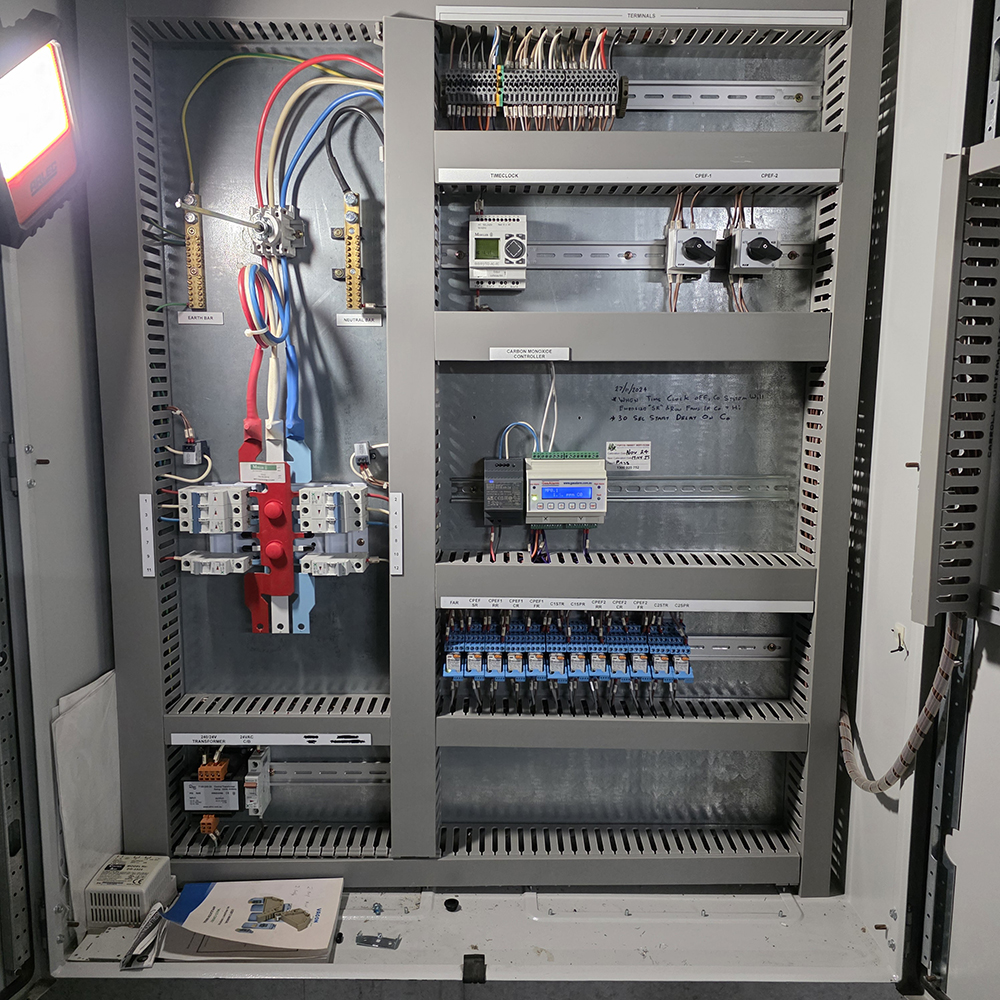
Speak With Performance Facility Management
If you are a landlord, property manager, strata manager, or commercial asset owner seeking stronger operational visibility across your building or portfolio, Performance Facility Management can assist.
Our engineering-led KPI reporting framework helps transform reactive maintenance environments into structured, measurable, and performance-driven facilities management operations.
Whether you manage a commercial office tower, shopping centre, mixed-use development, premium residential building, or unsupervised regional property, we can tailor reporting structures aligned with your operational, compliance, and financial objectives.
Contact Performance Facility Management to discuss engineering-led facility management KPI reporting for your building or portfolio.