
Engineering-Led Building Audit & Asset Performance Review
Operational Optimisation, HVAC Performance & Asset Lifecycle Strategy for a Commercial Mixed-Use Facility
A major mixed-use commercial and retail facility engaged Performance Facility Management to undertake a detailed engineering-led building audit focused on operational performance, energy consumption, HVAC efficiency, maintenance strategy, and long-term asset optimisation.
The site consisted of a combination of retail, commercial, and high-occupancy tenancy spaces operating extended hours across multiple HVAC systems and mechanical plant areas. The building incorporated central chilled water systems, boilers, air handling units, fan coil units, variable speed drives, legacy controls infrastructure, tenant-specific HVAC controls, and a Building Management System supervising the operation of the mechanical services plant.
The client sought an independent technical review after ongoing concerns regarding:
- Increasing operational costs
- High energy consumption
- Inconsistent HVAC performance
- Limited operational visibility
- Uncertainty surrounding contractor performance
- Lack of meaningful trend analysis
- Questions regarding the effectiveness of the existing maintenance strategies
The engagement was not simply a visual condition audit. The objective was to understand how the building was actually functioning operationally, how the mechanical services systems interacted with one another, and whether the current facility management and maintenance approach was truly optimising the asset from both a performance and lifecycle perspective.
Moving Beyond Traditional Facility Management
Performance Facility Management approaches building audits differently from conventional facility management reviews.
Many audits focus primarily on defects, compliance checklists, or immediate maintenance concerns. While those elements remain important, this project focused heavily on operational engineering, energy performance, HVAC control diversity, asset interaction, and how the building was behaving as a complete operational ecosystem.
The audit investigated:
- HVAC operational diversity
- Building Management System performance
- Chiller plant control strategies
- Boiler operation
- Fan coil unit behaviour
- Air handling unit stability
- Tenant load influence
- Energy conservation opportunities
- Maintenance effectiveness
- Contractor oversight
- Asset lifecycle opportunities
- Operational risk exposure
This engineering-led methodology allowed the client to gain significantly greater insight into the underlying causes of operational inefficiencies rather than simply identifying superficial defects.
Operational Issues Identified Across the Building
One of the key findings of the audit was that many of the building systems were technically operational, however they were not functioning efficiently, cohesively, or intelligently.
The site demonstrated a range of issues commonly seen in older or evolving commercial facilities where systems have gradually drifted away from their original design intent over many years of operational changes, contractor modifications, tenant adjustments, and incomplete recommissioning processes.
Performance Facility Management identified substantial opportunities surrounding:
- HVAC scheduling strategies
- Chiller staging logic
- Boiler lockout diversity
- Economy cycle optimisation
- Fan coil unit control
- Trend log functionality
- Tenant HVAC interaction
- Energy metering visibility
- Maintenance quality
- Operational reporting
The audit revealed that many of the building systems were still heavily reliant on static scheduling rather than dynamic operational control strategies responsive to actual building demand.
This created situations where major mechanical plant continued operating unnecessarily despite favourable outside air conditions or limited cooling demand within the building.

Energy Performance & HVAC Control Opportunities
The engineering review identified considerable energy conservation opportunities across the HVAC systems.
One of the major concerns involved excessive and prolonged chiller operation. The audit identified that the chilled water plant was frequently operating under conditions where mechanical cooling demand should have been substantially reduced or eliminated altogether.
The facility also demonstrated:
- Simultaneous heating and cooling conditions
- Low tenant temperature setpoints
- Poor dead-band control
- Unstable PID loop behaviour
- Excessive chilled water demand
- Limited optimisation of economy dampers
- Underutilised trend logging
- Minimal adaptive control diversity
Trend analysis of the HVAC systems revealed unstable supply air temperature control across several air handling systems, particularly during morning start-up periods where aggressive control loop behaviour was unnecessarily increasing plant load and energy consumption.
The audit also identified opportunities to better coordinate tenant HVAC demand with central plant operation. Several tenancy systems appeared to be influencing chiller operation outside optimal operating conditions, contributing to extended plant runtime and unnecessary energy expenditure.
Importantly, the review concluded that many of these inefficiencies could be improved through recommissioning, operational refinement, and better engineering oversight rather than major capital replacement.
Building Management System & Operational Visibility
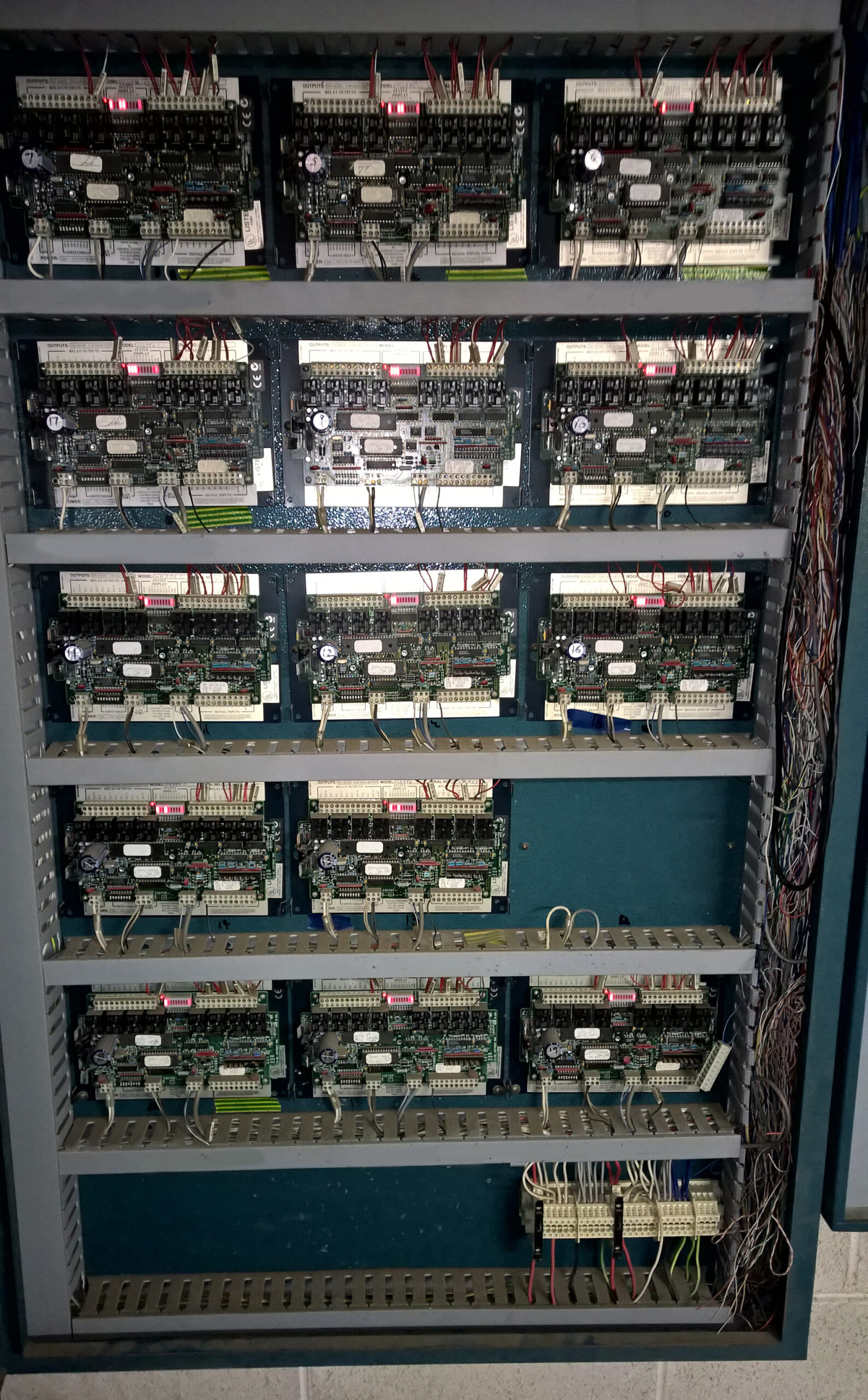
The Building Management System was found to contain substantial untapped capability which was not being fully utilised by the operational team or incumbent service providers.
While graphics, trend logs, and energy meters existed throughout the system, much of the available operational data was not being leveraged in a meaningful way to improve building performance.
Performance Facility Management identified that the BMS should operate not merely as a monitoring interface, but as an active operational intelligence platform capable of:
- Providing meaningful trend analytics
- Improving plant sequencing
- Supporting preventative maintenance
- Identifying operational anomalies
- Reducing tenant complaints
- Improving contractor accountability
- Supporting lifecycle planning
- Driving energy reduction initiatives
The audit also highlighted that several graphics lacked the operational depth required for meaningful building optimisation. Important parameters such as PID loop tuning, valve positions, dead-band settings, and control diversity data were either inaccessible or poorly represented.
This limited the ability of building operators and contractors to properly interrogate the operational behaviour of the site.
Maintenance Strategy & Contractor Oversight
A major component of the audit focused on maintenance strategy and contractor management.
Performance Facility Management identified several areas where maintenance appeared reactive rather than proactive. Certain operational issues, while not immediately catastrophic, had clearly been present for extended periods and were contributing to unnecessary operational inefficiencies and increased lifecycle risk.
The review identified opportunities to improve:
- Preventative maintenance procedures
- Documentation management
- Trend log review processes
- Asset condition reporting
- Contractor accountability
- Mechanical services coordination
- Operational reporting frameworks
- Engineering oversight
The audit concluded that the building would significantly benefit from a structured engineering-led maintenance and operational management strategy with measurable performance indicators linked to:
- Contractor performance
- Energy consumption
- Plant stability
- HVAC performance
- Tenant comfort
- Trend analysis
- Lifecycle planning
Asset Lifecycle & Long-Term Operational Strategy
Importantly, the project was not positioned solely around short-term energy reduction.
Performance Facility Management focused heavily on helping the client understand the broader relationship between:
- Operational performance
- Lifecycle cost
- Maintenance quality
- Energy consumption
- Tenant satisfaction
- Contractor management
- Asset longevity
- Future capital expenditure
The audit demonstrated that many existing systems still possessed substantial operational value provided they were properly recommissioned, better managed, and subjected to ongoing engineering oversight.
Rather than recommending unnecessary wholesale replacement of major systems, the review prioritised:
- Recommissioning
- Control optimisation
- Improved operational visibility
- Better maintenance governance
- Enhanced engineering analytics
- Smarter contractor management
- Progressive lifecycle planning
This approach allowed the client to better balance operational expenditure, capital expenditure, tenant outcomes, and long-term asset performance.

Project Outcome
The completed audit provided the client with:
- A detailed engineering review of the facility
- A prioritised operational improvement roadmap
- Energy conservation strategies
- Maintenance improvement recommendations
- BMS optimisation opportunities
- HVAC recommissioning pathways
- Lifecycle management recommendations
- Operational risk insights
- Contractor management improvement opportunities
Most importantly, the engagement demonstrated that significant operational and energy improvements were achievable with relatively modest capital investment when supported by strong engineering oversight and technically competent facility management practices.
Performance Facility Management Capabilities Demonstrated
This project highlighted Performance Facility Management’s capability across:
- Building performance analytics
- Engineering-led facility management
- Commercial building audits
- HVAC operational analysis
- Building performance optimisation
- Asset lifecycle strategy
- Energy management
- Contractor management oversight
- BMS operational review
- Maintenance governance
- Operational risk management
- Commercial property optimisation
- Mechanical services auditing
- Technical due diligence
- Operational engineering strategy
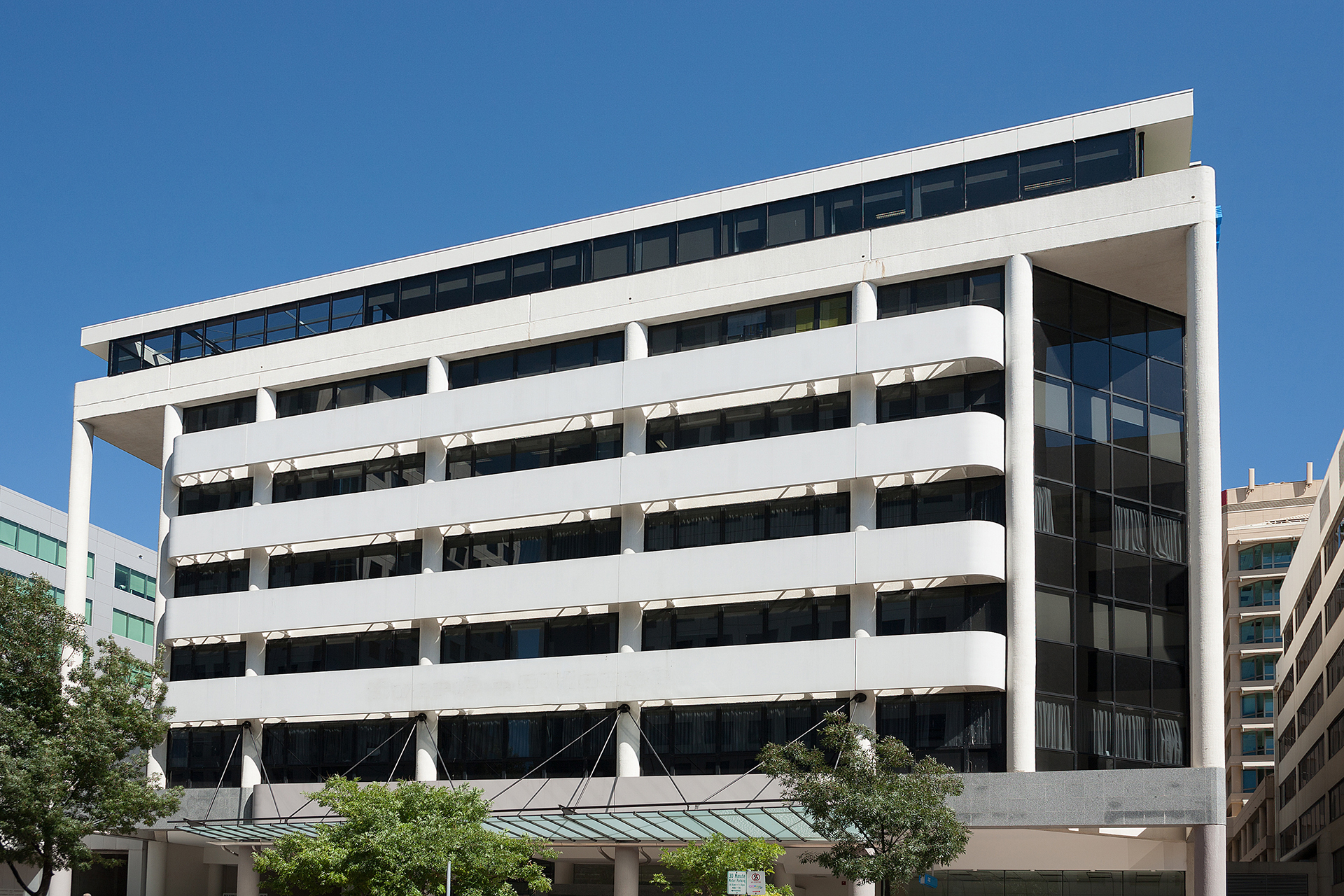
Engineering-Led Facility Management for Commercial Assets
At Performance Facility Management, we believe many commercial buildings suffer not from a lack of infrastructure, but from a lack of operational engineering focus.
Buildings often contain significant unrealised performance potential hidden within existing HVAC systems, Building Management Systems, and operational procedures.
Our role is to help landlords, property managers, facility managers, and asset owners uncover these opportunities through technically credible engineering reviews, smarter operational strategies, and practical facility management solutions designed to improve long-term building performance.