
Commercial Building Maintenance Checklist
Keeping your building compliant, efficient, and performing as intended
Your commercial building is made up of a complex network of integrated systems and services. Adjust or modify one system, and it can have unintended consequences on others—often only revealed under specific conditions such as fire mode or peak load scenarios.
That’s why a structured and regularly reviewed maintenance regime is critical.
Routine servicing combined with full-function testing ensures issues are identified early—before they become costly failures or compliance risks.
Understanding how these systems interact isn’t just important—it’s essential. It’s also where we specialise.

Maintenance Regimes in Facility Management
To keep your building operating reliably and efficiently, a comprehensive maintenance regime is required. The checklist below provides a practical starting point.
Every site is different, but this framework will help you identify key service areas and prompt further review.
Core Maintenance Checklist
- Fire Protection (AFSS)
- General Electrical Systems
- Mechanical Electrical
- Access Control Systems
- Cooling Tower Chemical Dosing
- Cooling Tower Third-Party Testing
- Cooling Tower Risk Management Plan (RMP)
- Roof Anchors
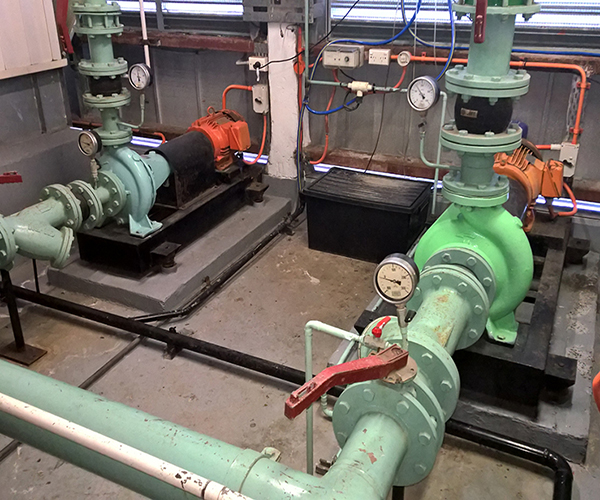
- Sub-soil Pumps
- Town Water Pumps
- Gas Boilers (Heating Hot Water – HHW)
- Mechanical Services (HVAC)
- Car Park Carbon Monoxide Systems
- Automation / BMS (Building Management Systems)
- Main Switchboards
- Diesel Generators
- Emergency Lighting
- LED Lighting Systems
- Test & Tag / RCDs
- Vertical Transport (Lifts)
- Automatic Doors
- NBN / Data Infrastructure
- Window Cleaning
- Common Area Cleaning
- Garden Maintenance
Each of these categories should be further broken down into asset-level tasks and frequencies.
There are also opportunities to consolidate multiple service contracts into fewer, more efficient trade packages, reducing cost and improving accountability.
As you can imagine, this list is not exhaustive; there are other fixed assets and equipment to add, especially for specialised “built for purpose” commercial property such as medical and educational
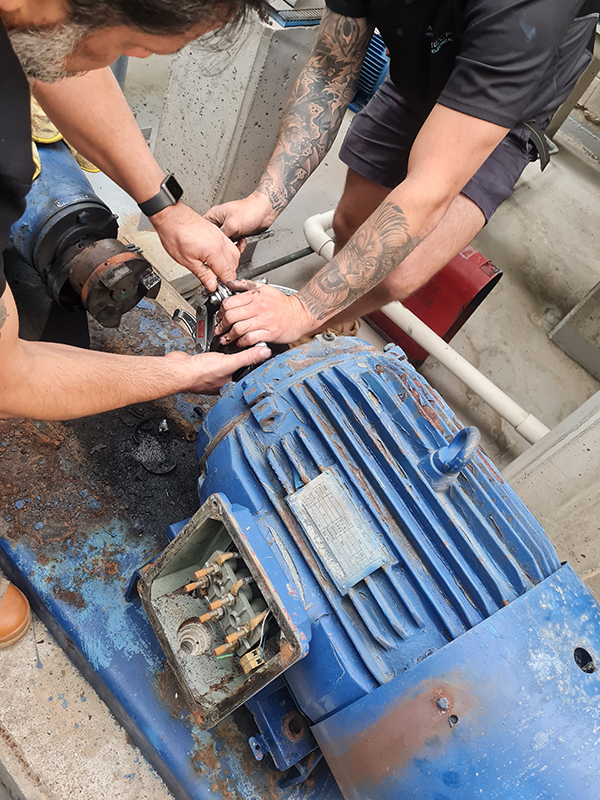
“Run to Fail” – A Strategic Decision
Not all assets should be maintained indefinitely.
Older equipment can create false economies, where ongoing maintenance and energy inefficiency outweigh the cost of replacement.
Key considerations include:
- Increasing maintenance costs
- Energy inefficiency compared to modern systems
- Reliability risks and downtime exposure
In some cases, a planned “run to fail” strategy may be appropriate, but only when supported by data and risk management.
We can develop a clear business case for replacement, factoring in:
- Payback period (often achievable within 12–24 months)
- Energy savings
- Maintenance reduction
- Call Outs negated
- Obsolescence versus Compliance
Maintenance Management Matters
Effective maintenance management is critical to protecting the long-term value of your assets.
Poor planning can lead to:
- Unexpected capital expenditure
- Premature asset failure
- Compliance breaches
Understanding lifecycle costs allows you to make informed decisions—whether to replace an asset now or extend its life under controlled conditions.
Compliance & Australian Standards
Your maintenance regime must align with relevant Australian Standards to ensure compliance and minimum service requirements are met.
For example:
- Fire Protection (AFSS) – Annual
- Emergency Lighting – 6 monthly
- Cooling Tower Testing – Quarterly
- Roof Anchors – Annual
- Car Park CO Systems – 6 monthly
- Gas Boilers (HHW) – Annual
- RPZ / Backflow Prevention – Annual
- Test & Tag / RCDs – Annual
- Automatic Doors – Annual (often as under AFSS scope)
Example:
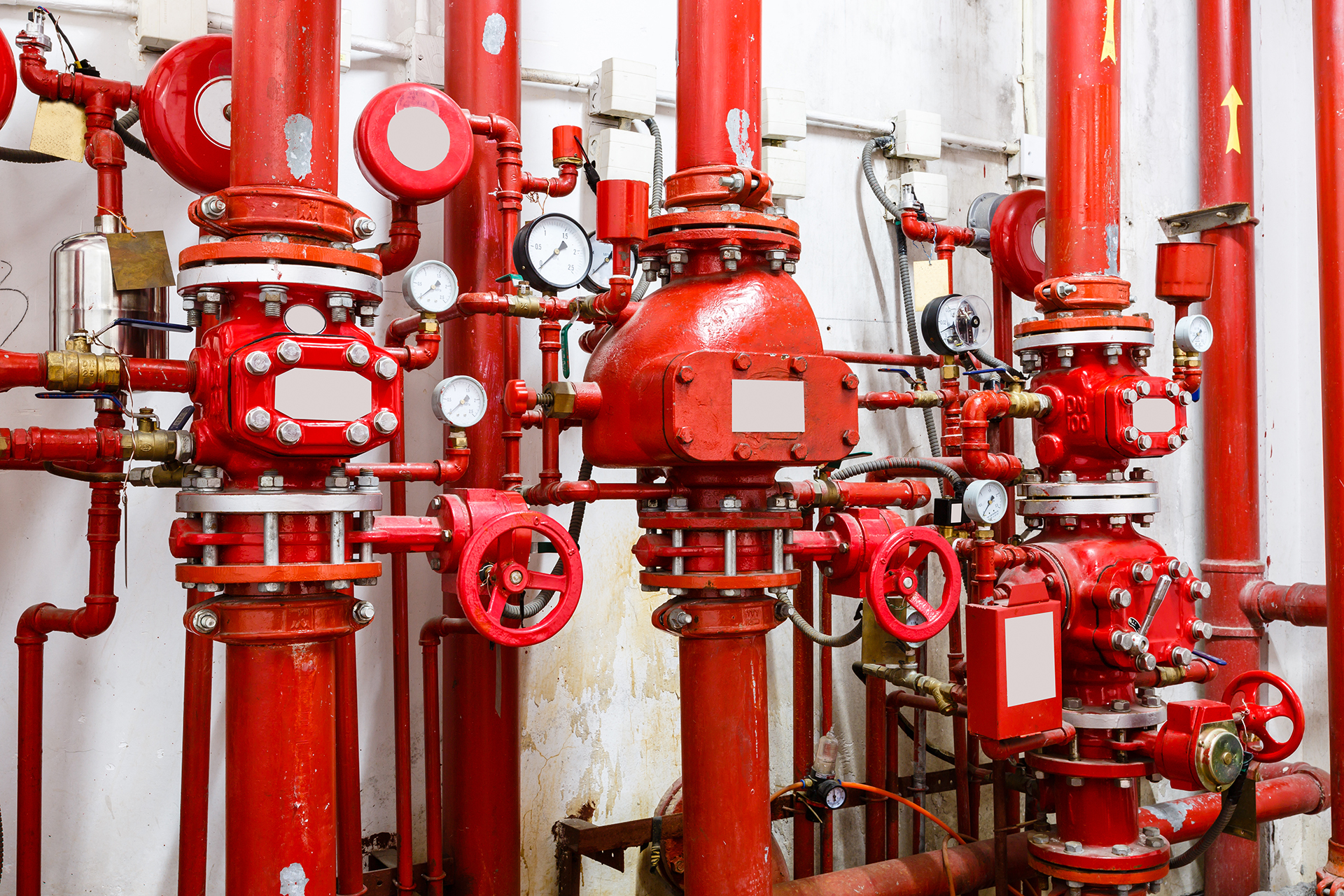
Sprinkler alarm valves must be overhauled every 5 years in accordance with AS 1851-2012. These valves are critical for detecting pressure changes and triggering fire brigade response when a sprinkler activates.
Final Thought
A well-structured maintenance checklist isn’t just about compliance, it’s about performance, risk reduction, and financial control.
If you’re unsure whether your current regime is adequate, that’s usually the first sign it needs review. Keeo in mind too, that AS 1851 is now law as of 13th February 2026.