HVAC Systems
Heating, Ventilation and Air Conditioning (HVAC) systems are the largest consumer of energy in most commercial buildings — and one of the least understood.
When HVAC systems are not operating correctly, the impact is immediate:
- Tenant complaints increase
- Energy costs escalate
- Equipment life shortens
- Compliance risks grow
- Corrective repairs increase
Most buildings don’t have an HVAC problem — they have an HVAC management problem.
At Performance Facility Management, we ensure your HVAC systems are not just running, but running correctly, efficiently, and aligned with the building’s actual operational needs.
What We Mean by HVAC Systems
Your HVAC system is far more than just air conditioning.
It includes:
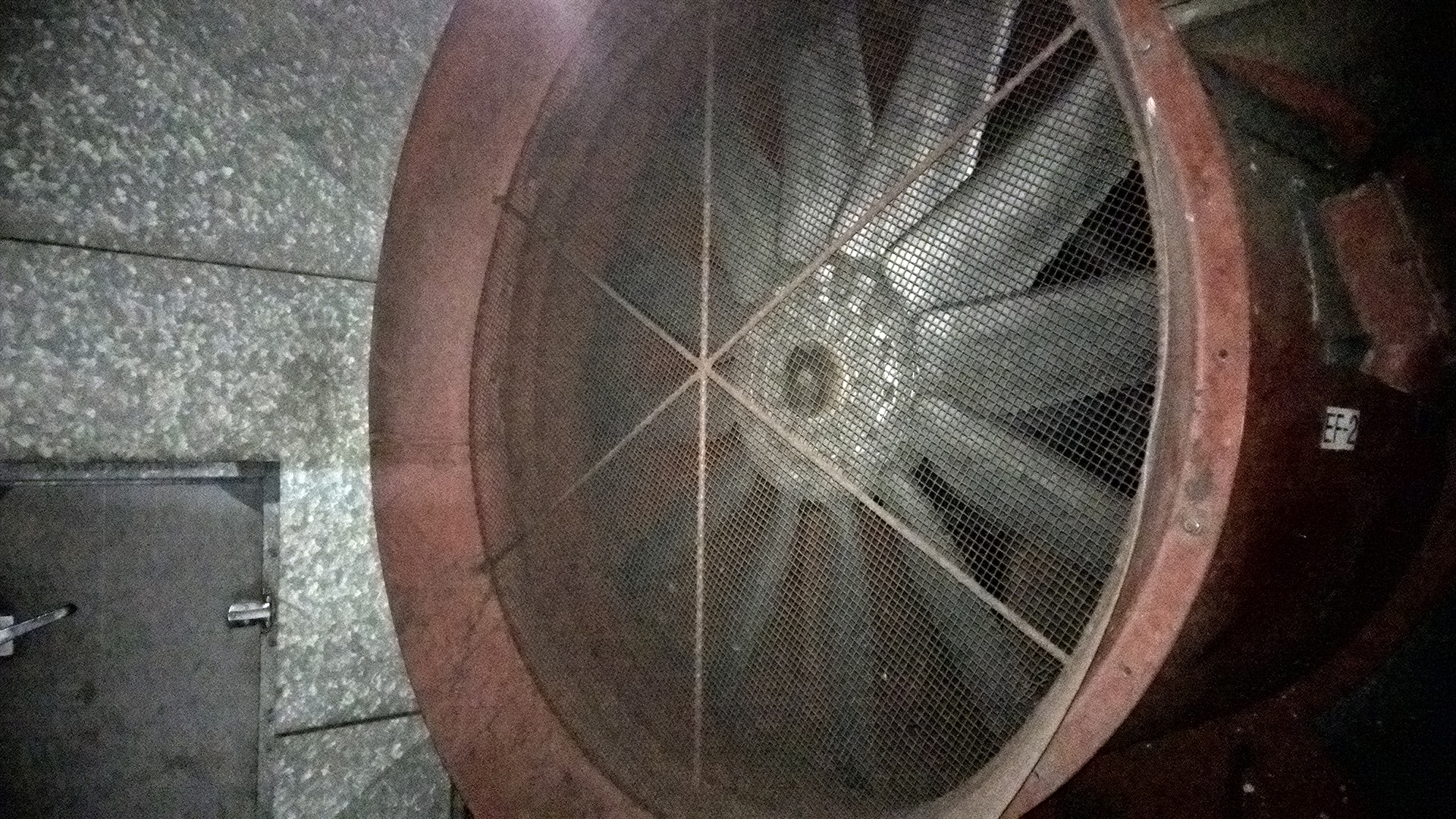
- Central plant (chillers, boilers, cooling towers)
- Air Handling Units (AHUs)
- Fan Coil Units (FCUs)
- Pumps and distribution systems
- Outside air and ventilation systems
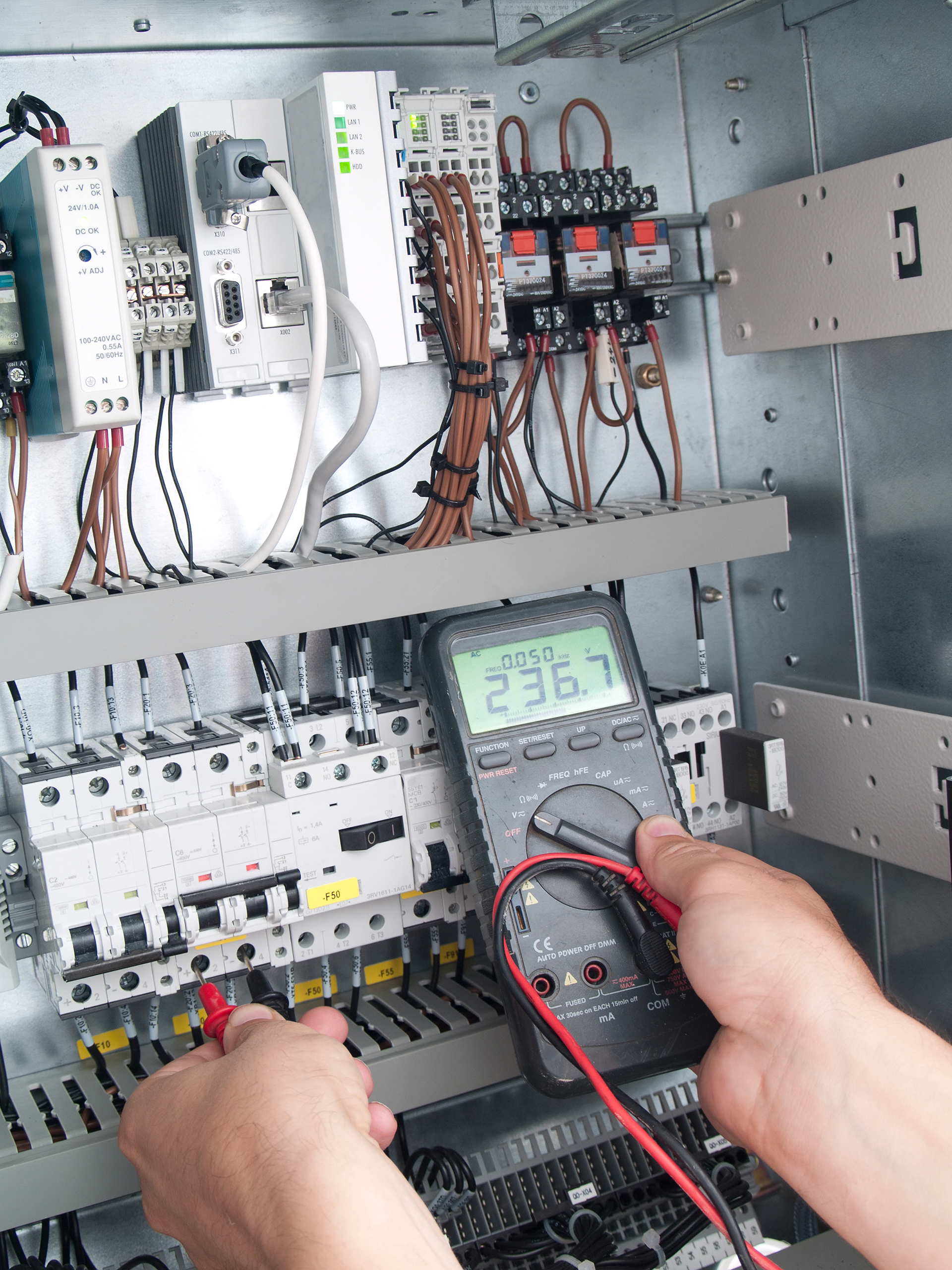
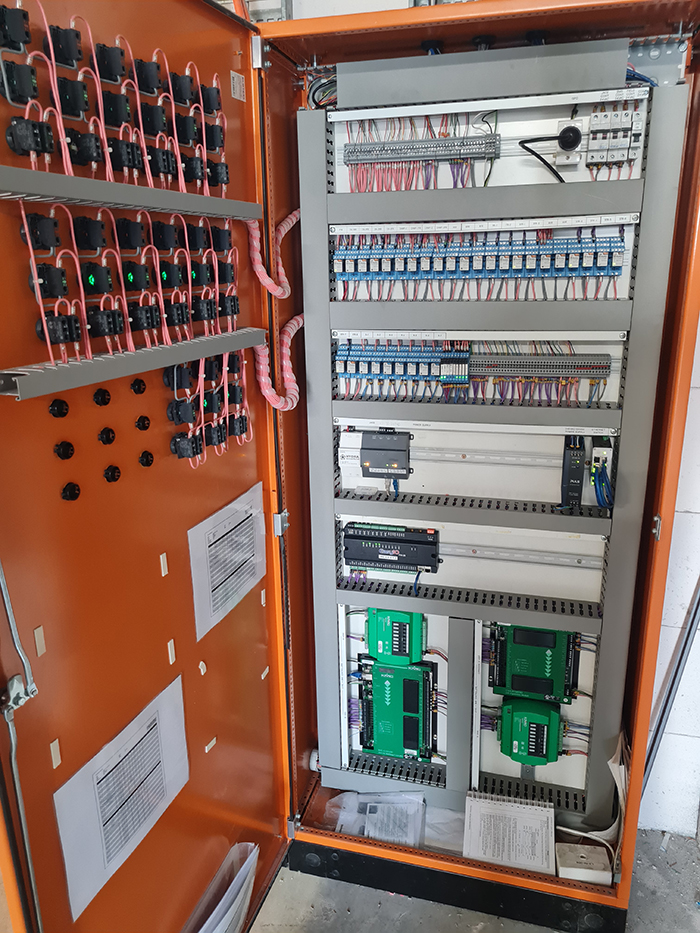
- Building Management System (BMS) controls
- Sensors, valves, actuators and control strategies
- Dampers (modulating, fire and volume control)
- And many other interconnected components
These systems must operate as one integrated network — across the building — and interface with other services such as:
- Fire protection systems
- Lift (elevator) systems
- Car park ventilation and gas control
- Electrical and life safety systems
This is not a standalone system — it is a building-wide operational platform.
Structured HVAC Maintenance Programs
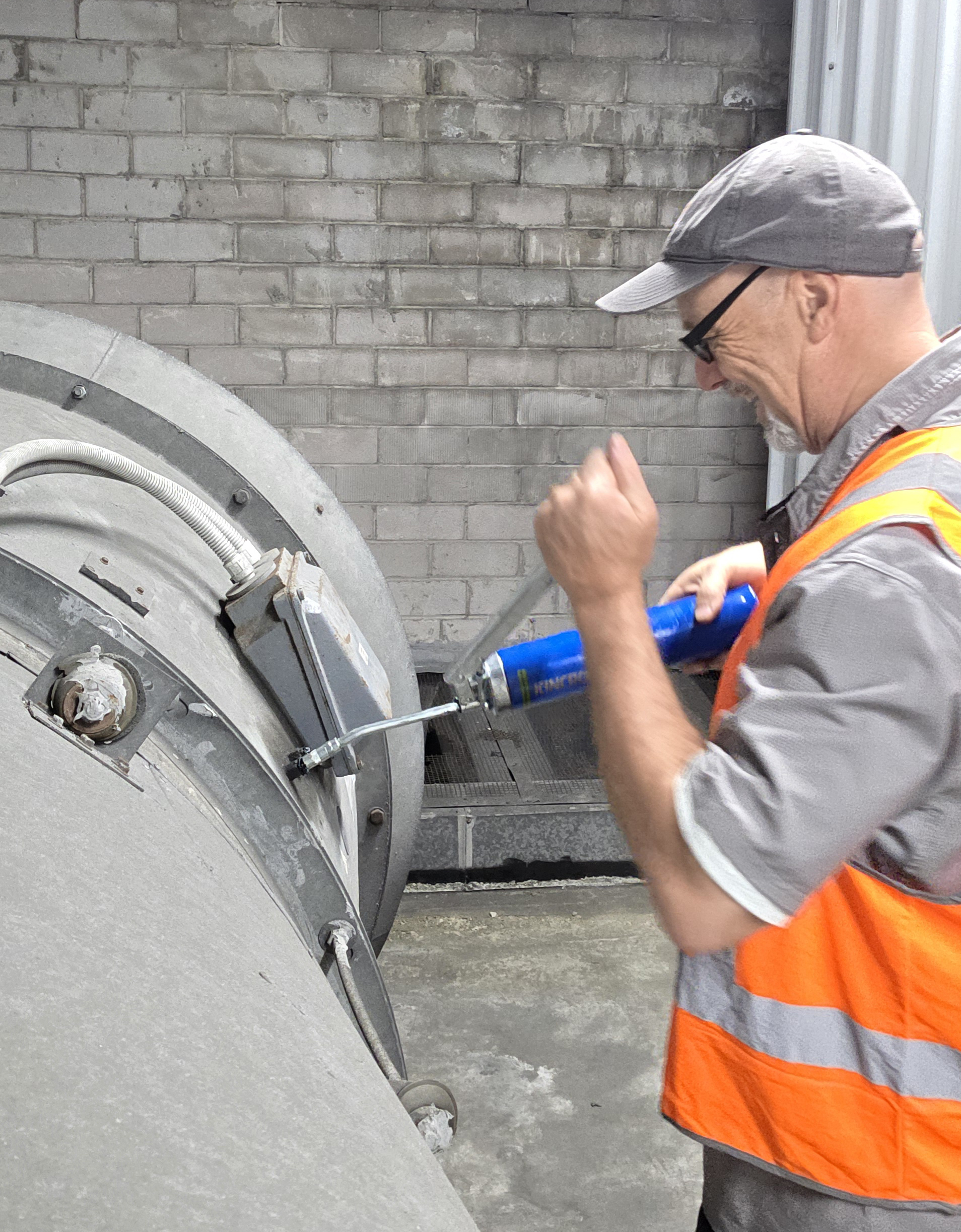
Consistent maintenance is essential to ensure system reliability, compliance, and efficiency. We deliver tailored HVAC maintenance programs, including:
- Monthly inspections and routine servicing
- Quarterly performance testing and system reviews
- Six-monthly maintenance and compliance checks
- Annual inspections aligned with statutory and operational requirements
These structured programs ensure:
- System reliability during peak demand
- Compliance with essential services requirements
- Early identification of faults and inefficiencies
- Extended asset lifecycle and reduced capital expenditure
Preventative and corrective maintenance, combined with ongoing system monitoring, is critical to maintaining building performance.
Where Most Buildings Go Wrong
In our experience, across Sydney, Melbourne and Canberra, HVAC systems commonly suffer from:

1. Poor Control Diversity
Systems often run on outdated control logic that no longer reflects how the building is actually used.
This typically shows up in:
- Declining NABERS performance
- Increased energy consumption
- Poor indoor environmental conditions

2. Simultaneous Heating & Cooling
Energy is wasted when systems fight themselves — a common and costly issue.
In many Australian buildings, particularly across the eastern states, systems are cooling-dominant. However, without proper control strategies and modern monitoring:
- Heating and cooling overlap
- Energy is wasted
- Comfort is inconsistent
With improved metering and smarter control strategies, this becomes a major opportunity for cost and performance gains.

3. Lack of Visibility
Building managers often don’t have clear, usable data from their BMS.
This typically falls into two categories:
- The system isn’t doing enough
→ The BMS lacks coverage, points, or control capability (often requiring upgrade) - The system isn’t being used properly
→ Data exists, but isn’t being interpreted or acted on effectively
Understanding both the HVAC system and the BMS is critical — this is where long-term cost savings are found.
4. Reactive Maintenance
Issues are addressed after complaints — not before.
This effectively turns tenants into the alarm system for your building.
The result:
- Reduced tenant satisfaction
- Increased complaints
- Damage to building reputation
- Missed early intervention opportunities
Better monitoring, alarming, and proactive maintenance practices are essential.
5. Contractor-Led Operation
The system is often being “run” by contractors, not managed by the building.
This can stem from:
- Knowledge gaps at building level
- Over-reliance on contractors
- Poor alignment between site teams and management
- Lack of defined performance outcomes
Without clear direction, contractors default to maintenance activity — not performance delivery.

Our Approach
We take a performance-first, engineering-led approach to HVAC systems.
System Review & Benchmarking
We assess how your system is operating versus how it should operate.
This includes:
- Full BMS review
- Site-wide inspections
- Mechanical and controls schematic review
- Energy usage analysis
- Maintenance history and contractor reporting
BMS & Controls Optimisation
We review and refine control strategies to align with actual building use.
This involves:
- Reviewing programmed logic vs intended design
- Accessing system-level controls (where required)
- Identifying gaps between expected and actual performance
Understanding both the specification and the programming is critical to achieving results.
Operational Tuning
We adjust setpoints, schedules, and sequences to remove inefficiencies.
This includes:
- BMS-based tuning
- Field-level adjustments (e.g. variable speed drives, valves, sensors)
- Real-world testing within occupied spaces
Not all optimisation happens in the BMS — knowing where to tune is key.

Contractor Alignment
We ensure contractors are working to performance outcomes, not just checklists.
This includes:
- Improving accountability and value for money
- Verifying maintenance coverage across all equipment
- Avoiding over-servicing some assets while neglecting others
Ongoing Performance Monitoring
We track system behaviour over time to prevent performance drift.
This includes:
- Active review of maintenance reports, not just filing them
- Regular independent review (“fresh eyes”)
- Improved reporting standards (including photographic evidence)
What This Means for Your Building
When HVAC systems are properly managed, the outcomes are measurable:
- Greater value through proper documentation
- Reduced energy consumption
- Improved tenant comfort
- Fewer complaints and reactive callouts
- Extended plant life
- Clear operational visibility
- Stronger compliance position
Who This Is For
This service is particularly valuable for:
- Commercial office buildings
- Strata and mixed-use assets
- Hospitals and medical facilities
- Government and education buildings
- Asset owners seeking performance visibility
- Property managers responsible for tenant satisfaction
- Buildings with rising energy costs or ongoing comfort issues
The Reality
If you can’t clearly answer the following, there’s work to do:
- Are your HVAC systems operating to a defined strategy?
- Is your BMS providing meaningful, actionable data?
- Are systems working together — not against each other?
- Are your contractors aligned with performance outcomes?
- Can you easily access recent maintenance documentation?
- Do you trust that what you see in the BMS reflects what’s happening on site?
If not — your building is likely leaving money on the table.