Essential Services Generator Testing
Why Monthly Generator Testing Is About More Than Compliance
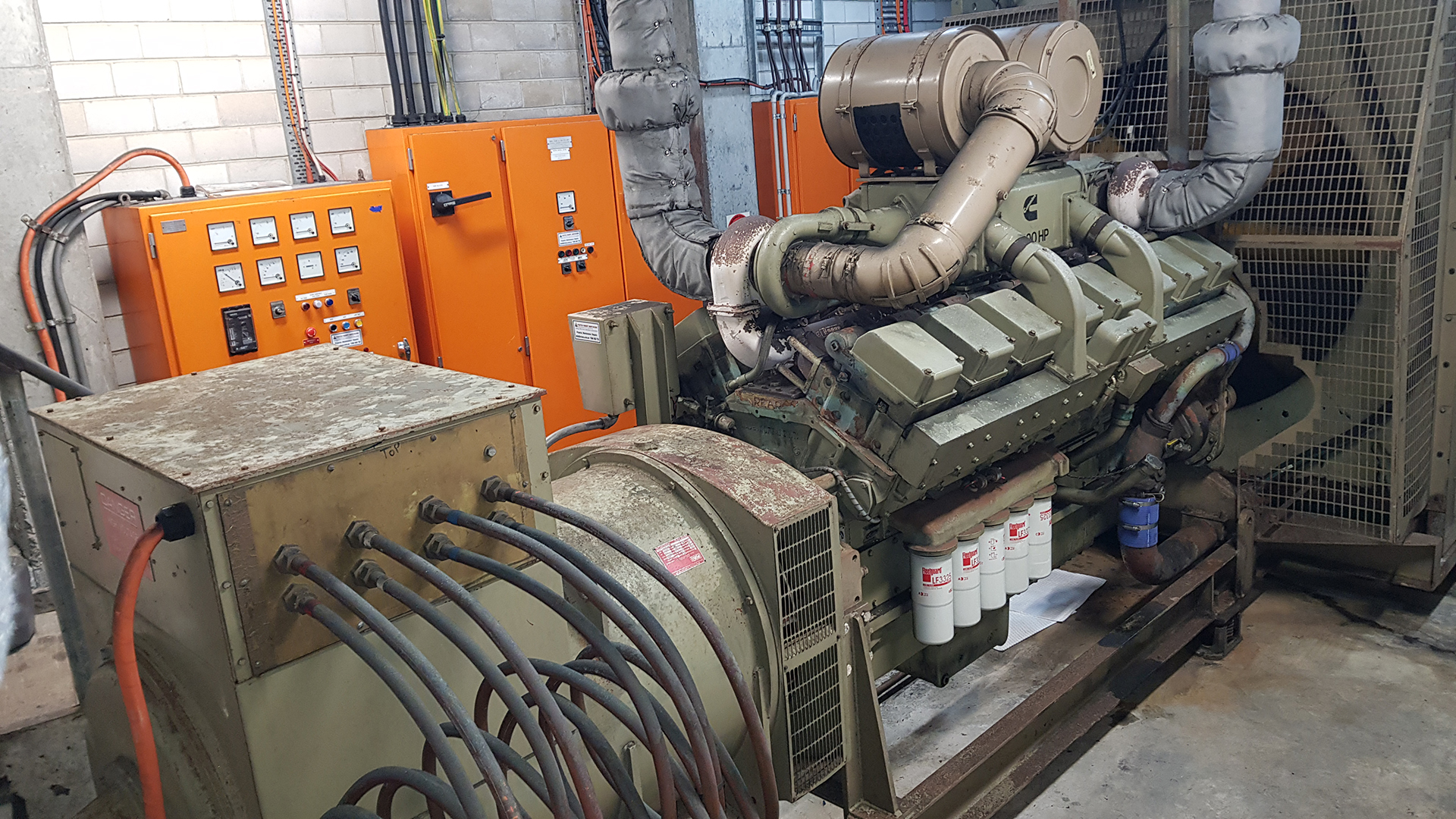
Most commercial buildings rely on an emergency generator as part of their essential services strategy. During a power outage, that generator may be responsible for supplying electricity to critical life safety systems such as fire protection equipment, emergency lighting, smoke control systems, communication systems and other nominated essential services.
Regular testing is not simply a compliance exercise—it is confirmation that these systems will operate when they are needed most.
Monthly Running Tests and Quarterly Load Tests
Most commercial buildings undertake a monthly generator run test to verify that the engine starts correctly and operates as expected. In addition, many buildings perform a periodic load test—often quarterly—to confirm the generator can safely carry the electrical load it was designed to support.
One of the most important components tested during this process is the Automatic Transfer Switch (ATS).
The ATS detects a loss of mains power and automatically transfers the building’s essential electrical load from the utility supply to the generator. Once normal power is restored, it transfers the load back again.
In older buildings, the ATS is often one of the most common points of failure. Mechanical wear, electrical contact deterioration and lack of regular operation can all prevent the switch from completing its full travel. If the ATS fails to transfer correctly, a perfectly healthy generator may never deliver power to the building’s essential services.
Why Property Managers Should Take Notice
For many property managers, generator testing is another scheduled contractor visit on the maintenance calendar. However, the information gathered during these tests can reveal much more than whether the generator starts.
Generator testing often identifies issues such as:
- Weak or ageing batteries.
- Cooling system or fuel system faults.
- ATS operating problems.
- Control system alarms.
- Electrical defects.
- Deferred maintenance that may affect reliability during an emergency.
Understanding these findings allows property managers and building owners to prioritise repairs, reduce operational risk and budget for future capital works before an emergency exposes the problem.
The Value of Independent Oversight
At Performance Facility Management, we often attend generator testing alongside the service contractor.
Being present during the testing allows us to:
- Witness the operation of the generator and ATS firsthand.
- Clarify technical findings with the maintenance technicians.
- Confirm any defects or recommendations before they are reported.
- Translate technical issues into practical business advice for the building owner.
- Provide independent recommendations on maintenance priorities and budget planning.
This gives our clients confidence that maintenance recommendations are understood, validated and prioritised according to operational risk—not simply listed on a service report.
Good Building Management Is About Understanding the Risk
Essential services are interconnected. A generator does not operate in isolation—it supports life safety systems, emergency lighting, fire protection, smoke control and other critical building infrastructure.
Understanding how these systems work together enables better maintenance planning, more informed budgeting and improved confidence that the building will perform when it matters most.
Effective facility management is not just about arranging maintenance. It is about understanding the engineering behind the building and ensuring every essential system is ready when it is needed.
Estimated reading time: 4 minutes