Technical Due Diligence for Commercial Buildings
Engineering-Led Technical Due Diligence for Commercial Property, Fixed Assets & Building Infrastructure Across Sydney, Melbourne & Canberra
Purchasing, leasing, managing, or investing in a commercial building without properly understanding the condition of the building infrastructure can expose owners and stakeholders to significant operational and financial risk.
Many issues within commercial properties are not immediately visible during standard property inspections or financial reviews. Ageing HVAC systems, obsolete Building Management Systems, hidden compliance risks, electrical infrastructure limitations, deferred maintenance, and unsupported plant can all create major future liabilities if not identified early.
At Performance Facility Management, we provide engineering-led technical due diligence services designed to help building owners, investors, facility managers, strata stakeholders, and acquisition teams better understand the operational condition and lifecycle risks associated with commercial building infrastructure.
Our approach combines practical facility management understanding with deep technical building systems knowledge across HVAC, controls, BMS, electrical infrastructure, ventilation systems, energy systems, and critical building services.
What Is Technical Due Diligence?
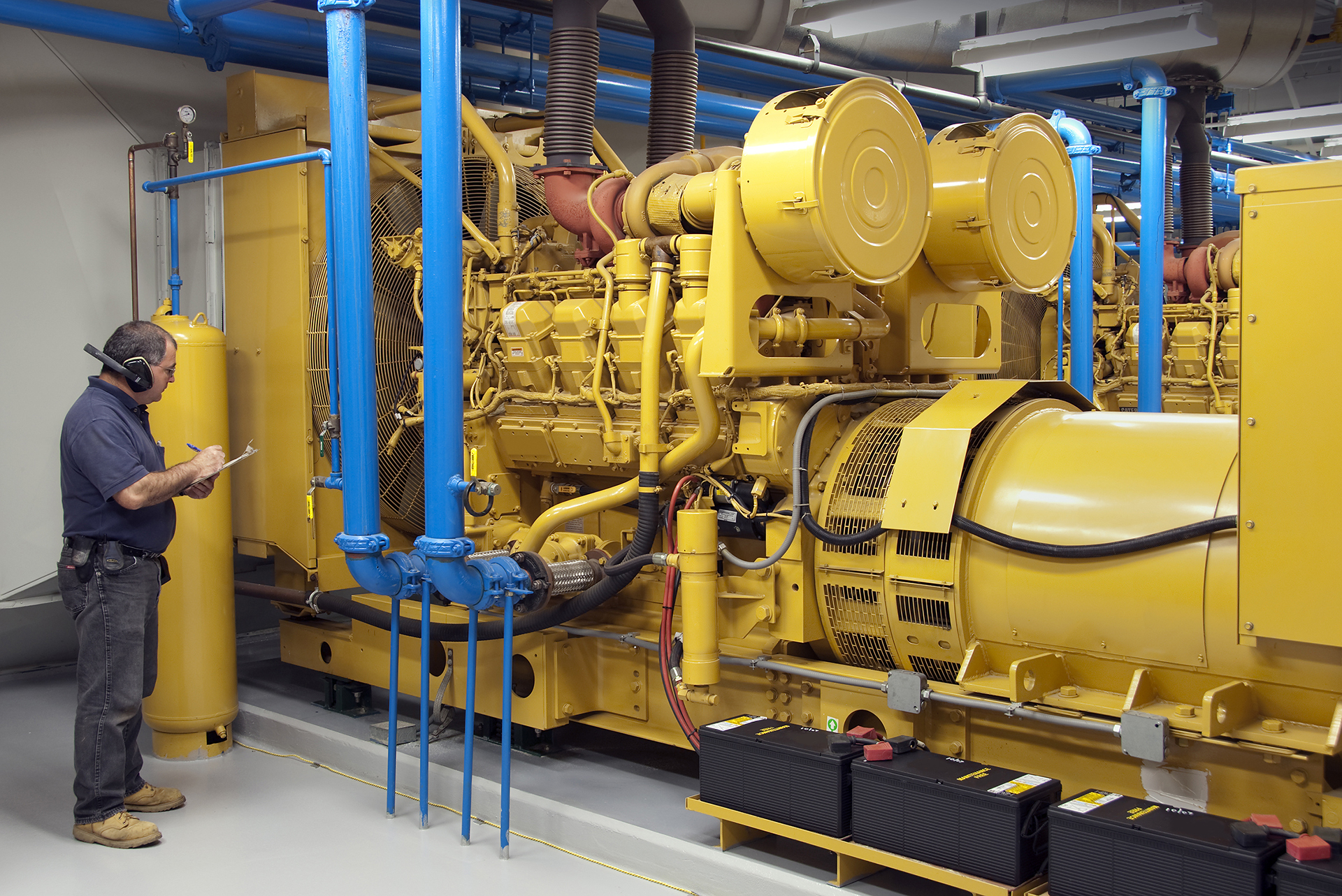
Technical due diligence is the process of assessing the condition, performance, operational risks, and future capital requirements of the fixed assets operating within a commercial building.
Unlike standard building inspections that may focus primarily on visible defects or structural items, technical due diligence examines the operational infrastructure that supports the building day to day.
This commonly includes:
- HVAC and mechanical services systems
- Building Management Systems (BMS)
- electrical infrastructure
- fire and life safety interfaces
- ventilation systems
- lifts and vertical transport
- energy metering systems
- emergency power systems
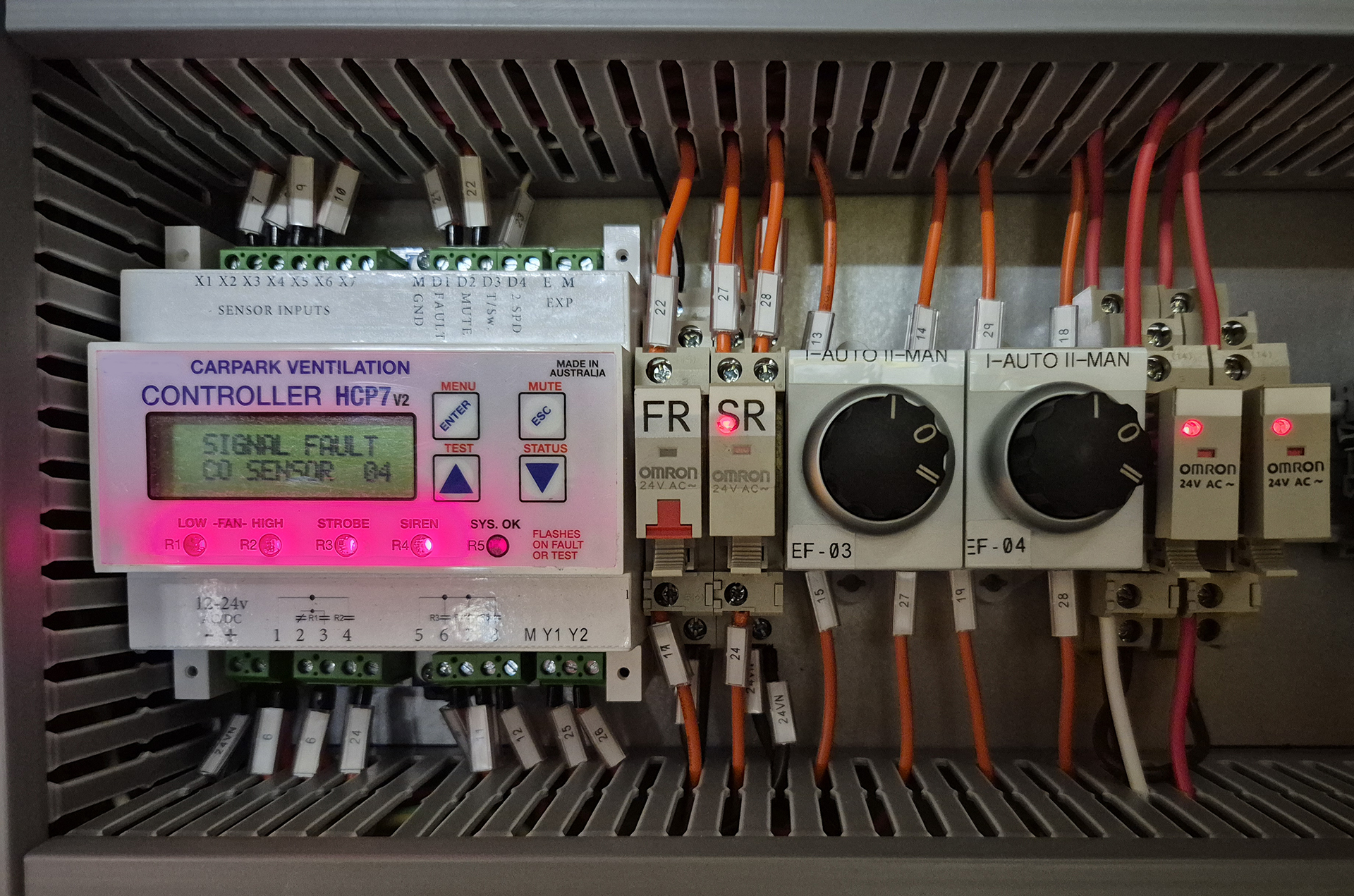
- car park ventilation systems
- pumps, drives, and plant controls
- fixed asset registers and lifecycle documentation
For many commercial properties across Sydney, Melbourne, and Canberra, these systems represent some of the largest long-term operational and capital expenditure risks within the building.
Why Technical Due Diligence Matters
Commercial buildings can often appear operational while hidden infrastructure risks continue developing in the background.
Many ageing buildings continue operating with:
- obsolete controls platforms
- unsupported BMS systems
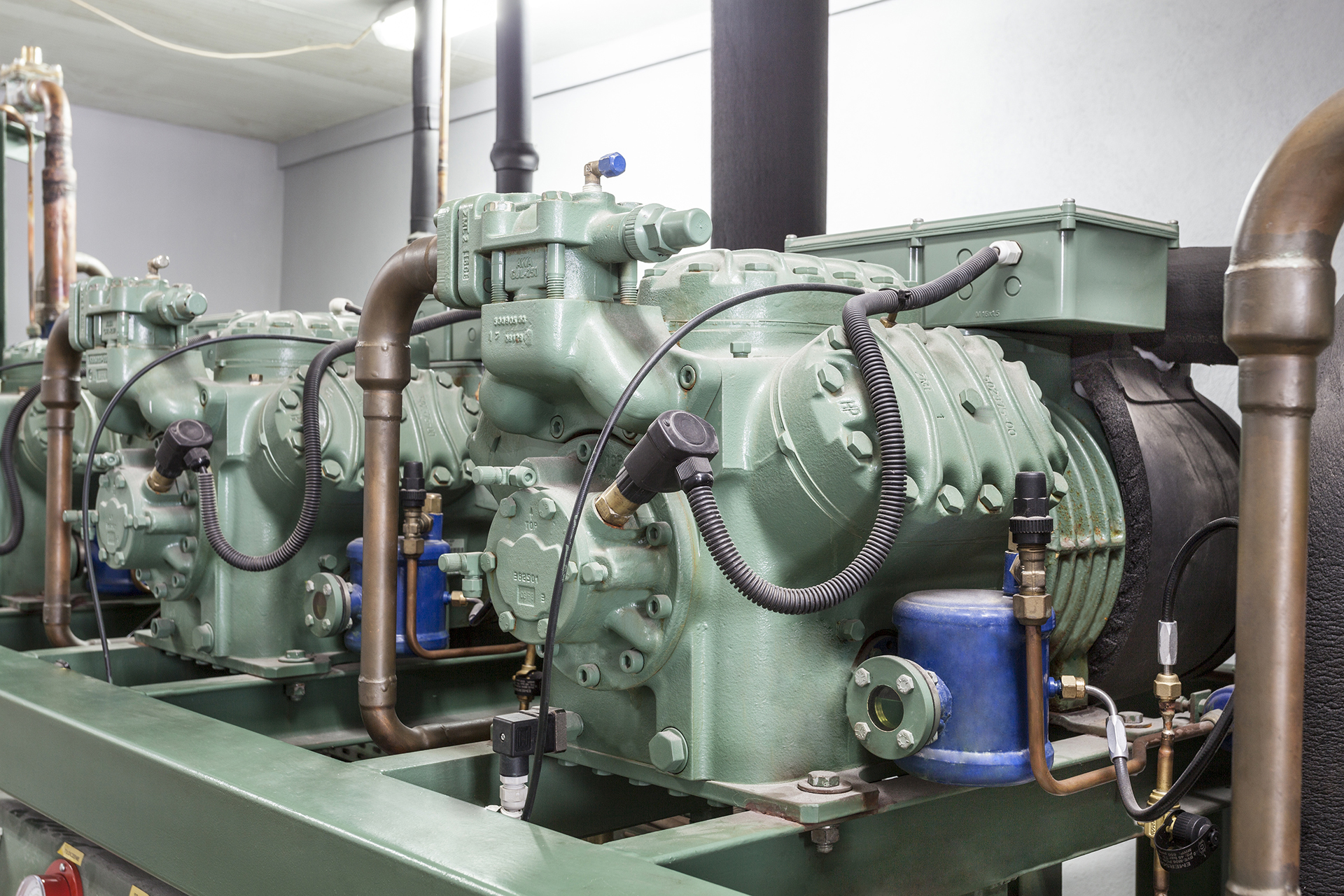
- ageing chillers and boilers
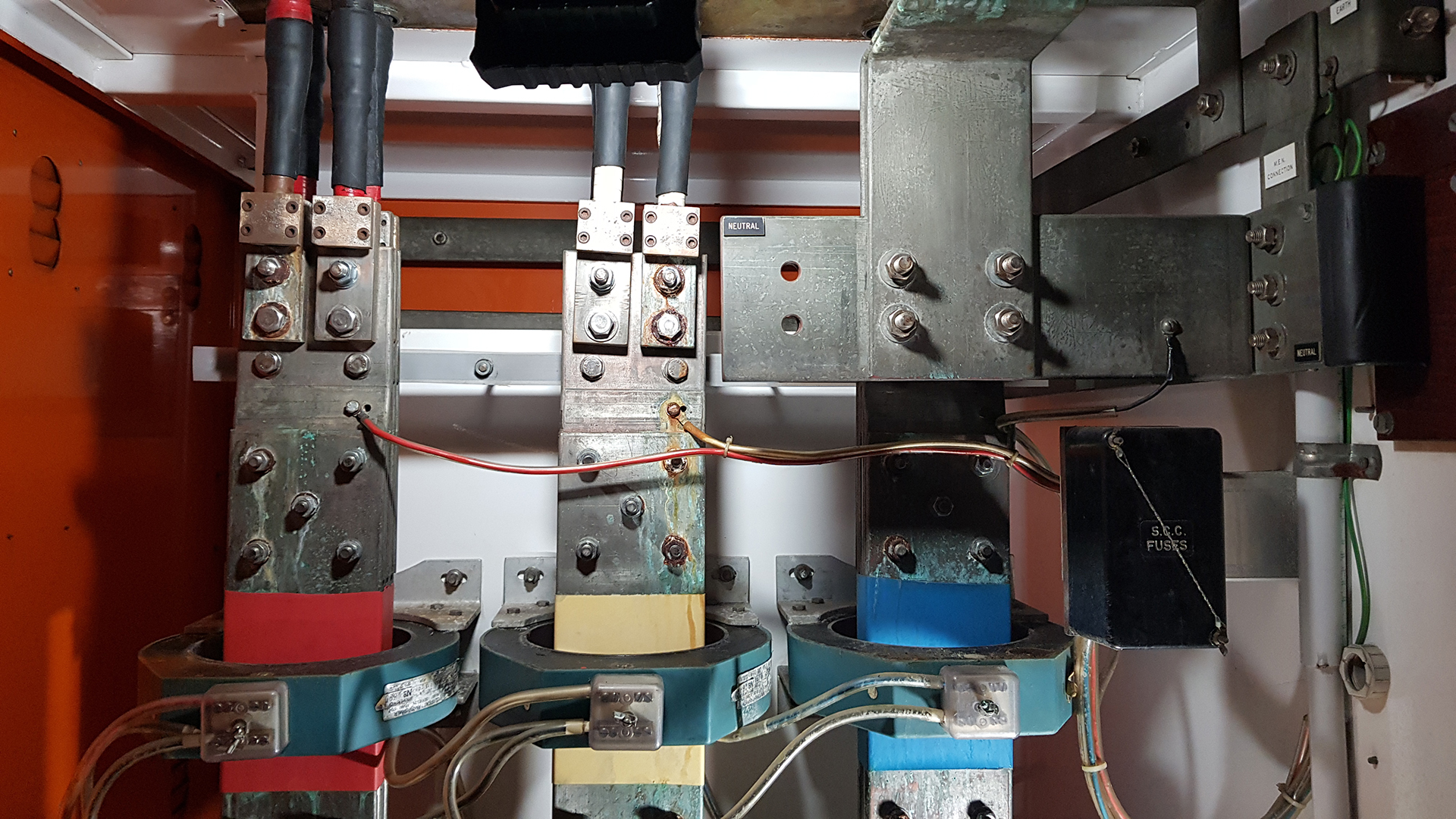
- deteriorating switchboards
- phased-out refrigerants
- poorly maintained ventilation systems
- undocumented modifications
- incomplete asset records
- unstable controls strategies
- increasing contractor dependency
These issues may not become obvious until:
- major equipment failure occurs
- tenants are impacted
- compliance concerns arise
- replacement parts become unavailable
- energy costs increase significantly
- emergency capital expenditure becomes unavoidable
A properly structured technical due diligence review helps identify these risks before they become major operational or financial problems.
Supporting Building Acquisitions & Investment Decisions
Technical due diligence is commonly undertaken during:
- commercial building acquisitions
- lease negotiations
- portfolio reviews
- refinancing exercises
- major capital planning reviews
- insurance investigations
- strata infrastructure assessments
- commercial property handovers
Understanding the true operational condition of building infrastructure can significantly influence:
- acquisition decisions
- negotiated purchase pricing
- future CAPEX forecasting
- operational budgeting
- maintenance planning
- contractor engagement strategies
- asset replacement planning
- risk allocation between stakeholders
For many investors and property stakeholders, the hidden infrastructure risks inside a building can become more financially significant over time than the original visible defects identified during standard inspections.
Building Infrastructure We Commonly Review
Our technical due diligence reviews commonly assess:
- chillers and cooling systems
- heating hot water systems
- air handling units
- cooling towers
- ventilation systems
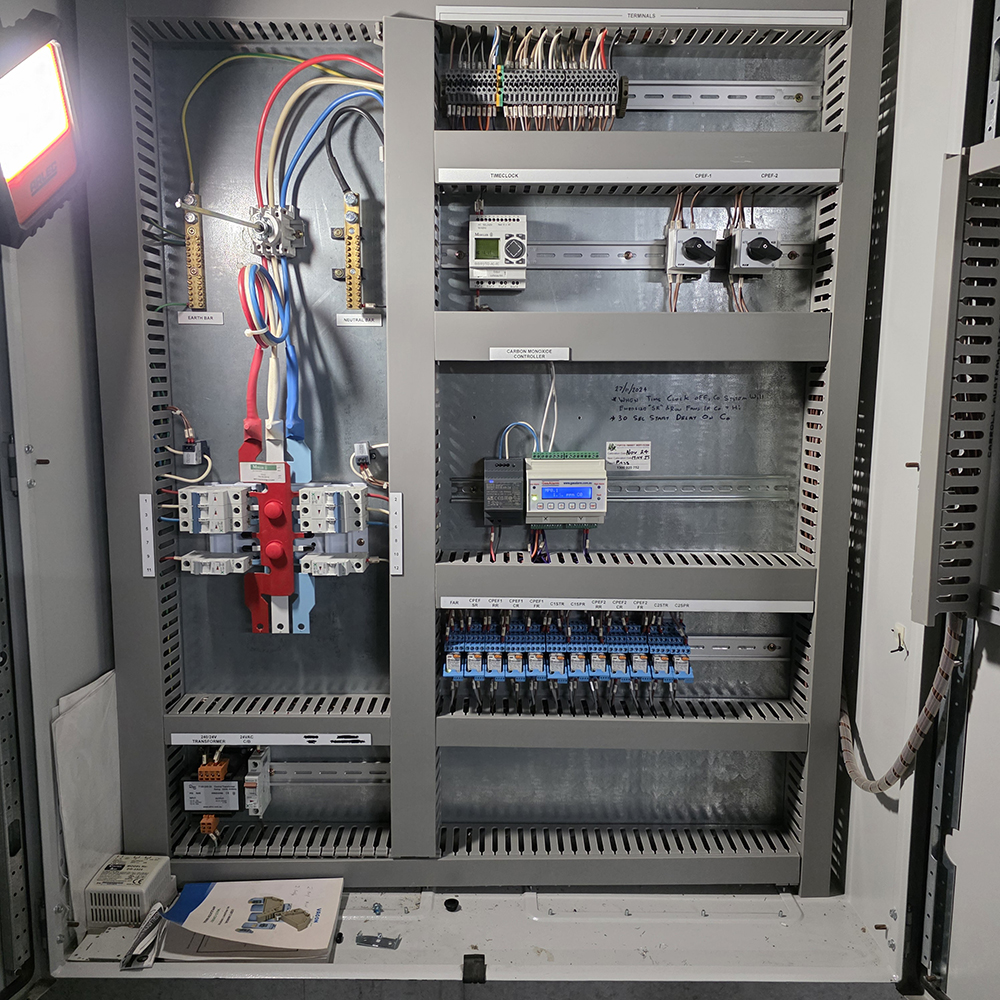
- Building Management Systems (BMS)
- electrical switchboards
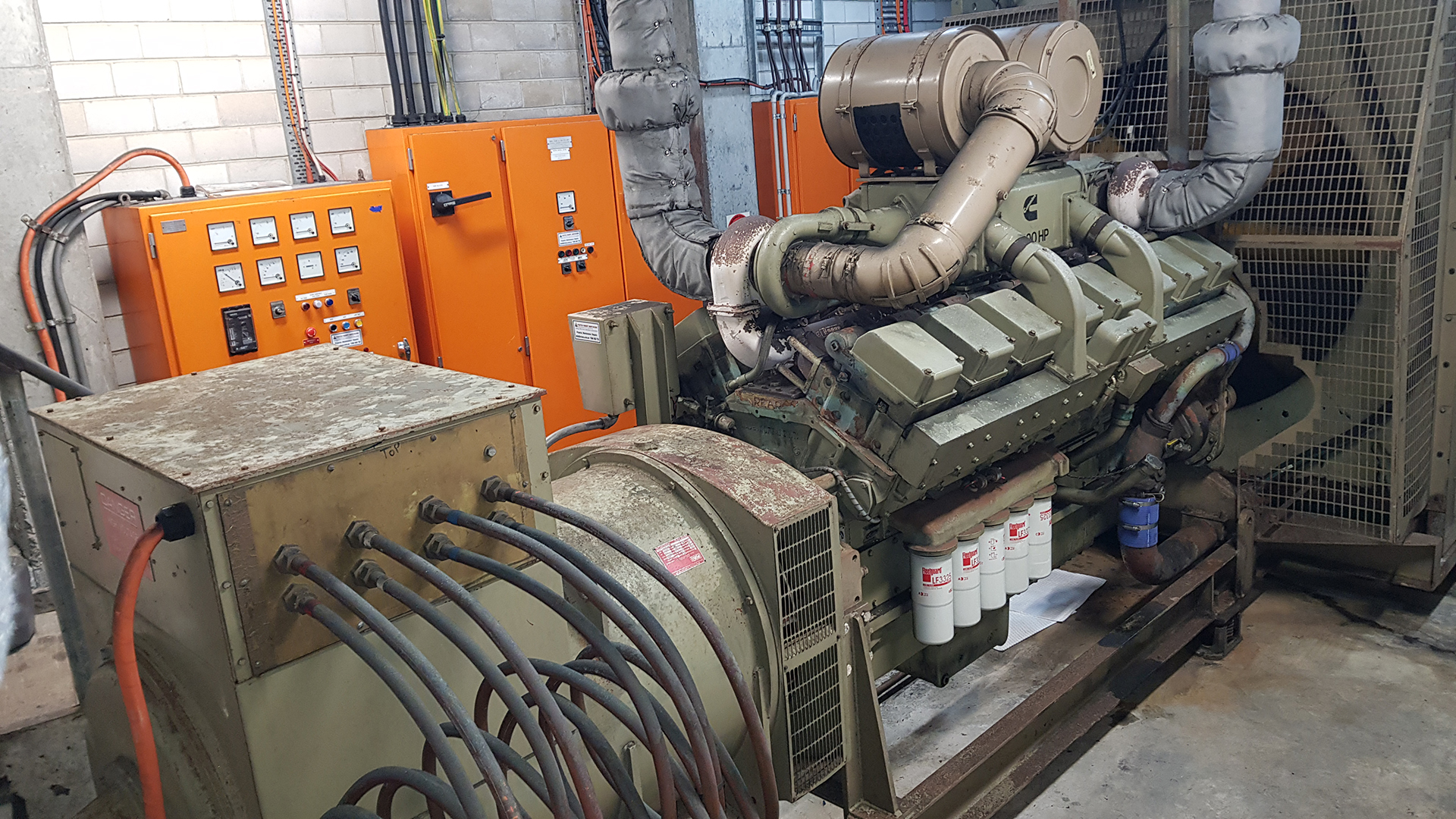
- emergency power systems
- energy metering infrastructure
- fire and smoke control interfaces
- car park exhaust systems
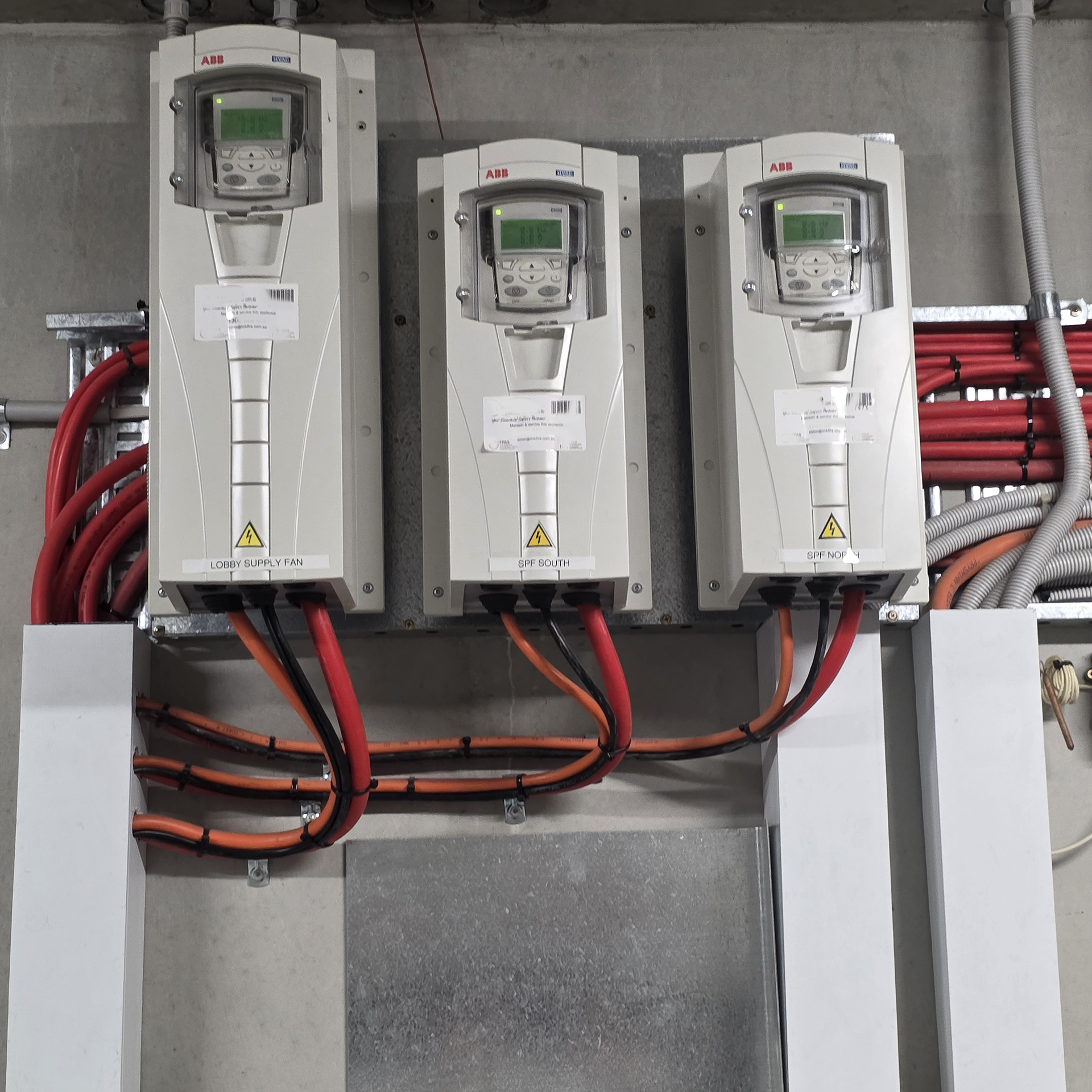
- pumps and variable speed drives
- pneumatic and legacy control systems
- major plantroom infrastructure
We also review the broader operational environment surrounding these systems, including:
- lifecycle planning strategies
- maintenance practices
- contractor management
- operational documentation
- fixed asset registers
- maintenance history
- obsolescence exposure
- operational redundancy
- alarm monitoring capability
Fixed Asset Registers & Lifecycle Visibility
One of the most common issues identified during technical due diligence reviews is incomplete or outdated fixed asset information.
In many buildings, critical operational knowledge remains fragmented across:
- contractor reports
- maintenance software
- spreadsheets
- emails
- historical site knowledge
This creates operational risk, particularly when buildings change ownership, management, or service providers.
A properly maintained live fixed asset register can significantly improve visibility across:
- equipment condition
- asset age
- service history
- operational criticality
- warranty information
- replacement timelines
- lifecycle risk exposure
For facility managers and property managers, accurate lifecycle visibility can substantially improve:
- infrastructure decision-making
- budgeting accuracy
- capital forecasting
- contractor management
- shutdown planning
- operational continuity
Engineering-Led Operational Understanding
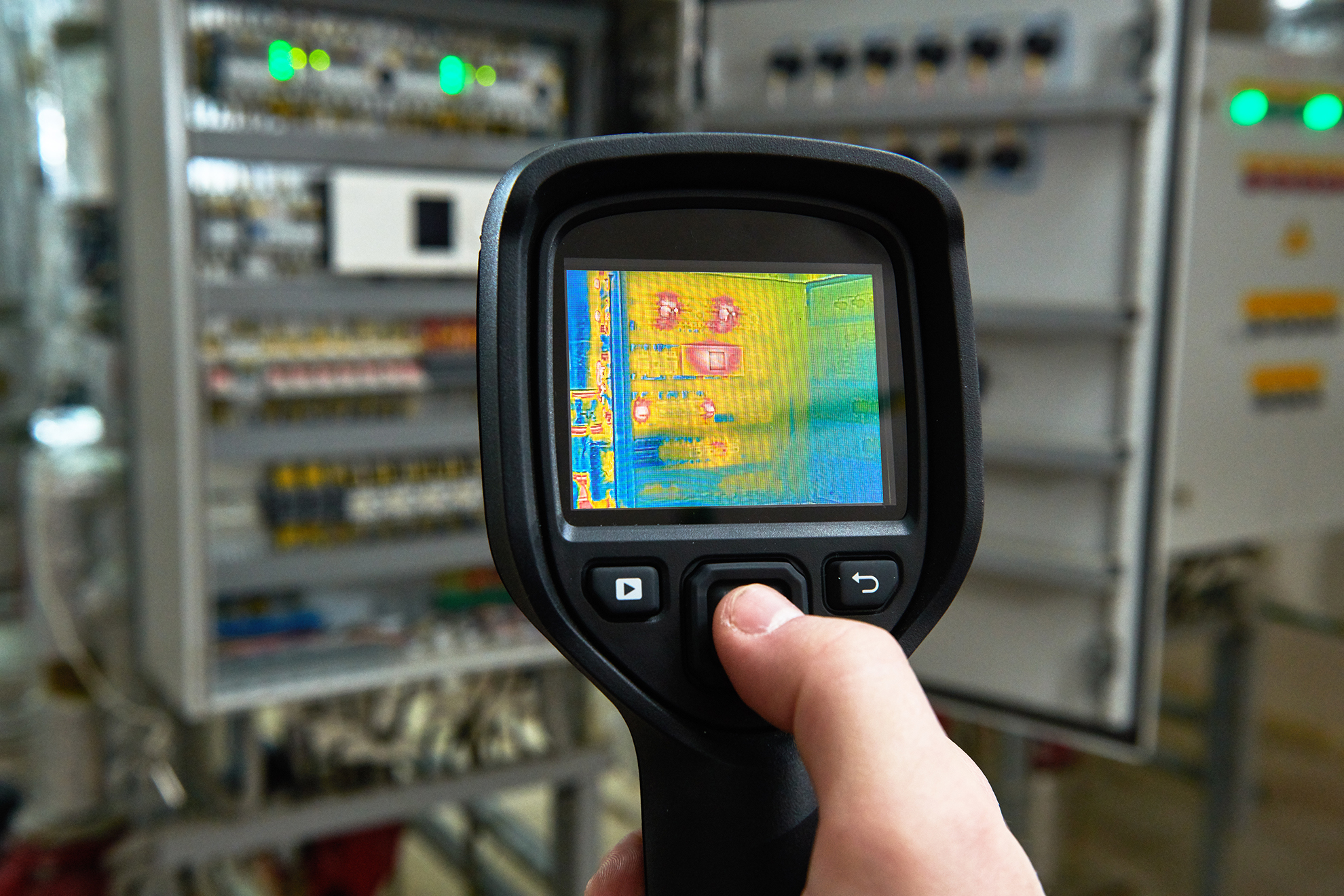
Many technical due diligence reports focus heavily on administrative observations while lacking deeper operational building systems understanding.
Our approach is heavily grounded in practical engineering and operational experience.
We understand how commercial building systems actually function in live environments, including:
- HVAC operational sequences
- BMS integrations
- ventilation strategies
- controls stability
- energy management systems
- smoke control interfaces
- electrical infrastructure limitations
- legacy systems integration
This allows us to identify operational risks that may not always be visible through documentation reviews alone.
Examples include:
- infrastructure operating without adequate monitoring capability
- unstable control loops
- ageing BMS platforms approaching obsolescence
- proprietary systems creating vendor lock-in
- ventilation systems operating outside intended sequences
- control systems lacking redundancy
- excessive energy consumption caused by poor controls integration
Supporting Better Long-Term Planning
Technical due diligence should not simply identify problems.
It should help stakeholders make better long-term operational and financial decisions.
Our reviews are designed to assist with:
- lifecycle planning
- infrastructure prioritisation
- capital expenditure forecasting
- staged upgrade strategies
- operational risk reduction
- maintenance planning
- compliance management
- energy optimisation planning
- ESG and NABERS initiatives
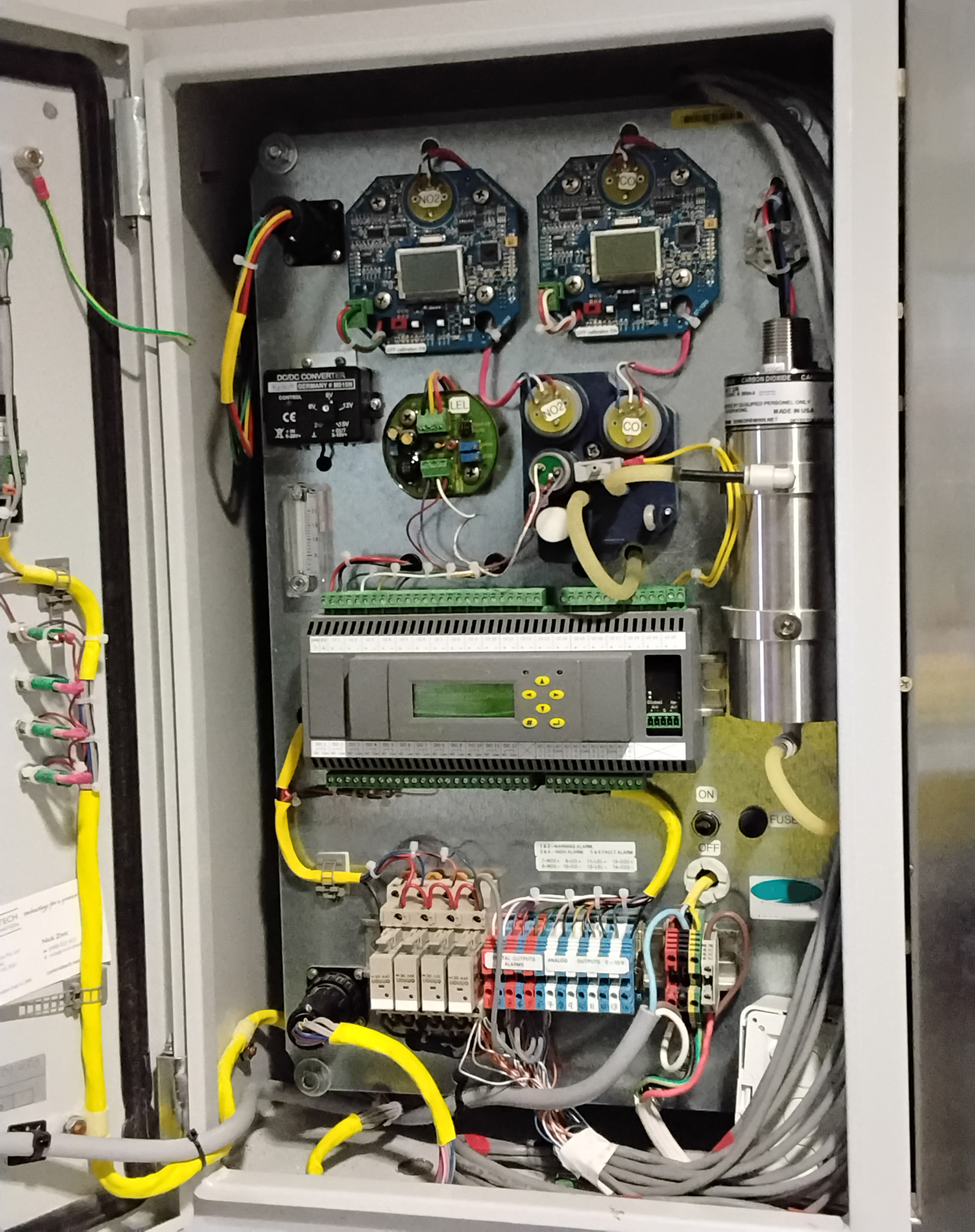
Where suitable systems exist, Building Management Systems can also provide valuable operational intelligence through:
- trend logging
- run hour monitoring
- alarm histories
- energy data
- fault analysis
- operational performance reporting
This information can provide valuable insight into the actual operational condition of critical building infrastructure.
Supporting Facility Managers, Property Managers & Building Owners
Technical due diligence is not only relevant during acquisitions.
For many ageing commercial buildings throughout Sydney, Melbourne, and Canberra, ongoing technical due diligence reviews can become an important part of long-term operational risk management.
These reviews can help stakeholders:
- better understand ageing infrastructure
- reduce operational uncertainty
- identify hidden risks earlier
- improve lifecycle visibility
- support contractor accountability
- strengthen capital planning
- improve infrastructure governance
For complex commercial properties, mixed-use developments, retail centres, strata towers, and unsupervised buildings, this operational visibility can become extremely valuable over time.
Why Performance Facility Management?
Performance Facility Management combines:
- facility management understanding
- technical engineering capability
- HVAC operational knowledge
- BMS and controls expertise
- electrical infrastructure experience
- lifecycle planning strategies
- operational risk management
This allows us to provide technical due diligence services that are both commercially practical and technically credible.
Unlike purely administrative reviews, our assessments are grounded in real operational building systems experience.
Where required, technical upgrade and systems integration support can also be coordinated through our broader engineering and controls capabilities.
Talk to Us About Technical Due Diligence
If you are purchasing, managing, reviewing, or planning upgrades to a commercial building, technical due diligence can provide valuable visibility into the operational condition and future risks associated with the fixed assets operating within the property.
Performance Facility Management supports clients across Sydney, Melbourne, and Canberra with:
- Technical Due Diligence
- Commercial Building Audits
- Fixed Asset Reviews
- Lifecycle Planning
- HVAC Infrastructure Assessments
- Building Management System Reviews
- Capital Forecasting
- Operational Risk Assessments
Speak with our team about developing a clearer understanding of your building infrastructure and operational lifecycle risks.