
Commercial Building Compliance
Practical Compliance Support for Commercial Buildings, Owners and Property Managers
Commercial building compliance is not achieved through a certificate, inspection or annual checklist alone. It depends on how the building is managed every day, how contractors perform their work, how defects are recorded, how documentation is maintained and whether identified risks are actually resolved.
Performance Facility Management helps building owners, property managers, asset managers and strata committees coordinate the people, systems, records and activities required to support ongoing building compliance.
Our role is practical and operational. We help clients understand what needs to be done, who is responsible, what evidence should be retained and where gaps may exist between the documented position and the actual condition of the building.
Compliance Is an Ongoing Management Responsibility
Commercial buildings operate within a complex environment of legislation, Australian Standards, essential services requirements, workplace safety obligations, environmental controls, maintenance requirements and contractual responsibilities.
Many of these obligations overlap.
A fire protection contractor may complete scheduled testing, but defects still need to be reviewed, quoted, approved and repaired. A cooling tower may be serviced, but water treatment records, risk management plans and cleaning requirements must also be coordinated. An electrical inspection may identify a defect, but someone must determine its priority, organise access and confirm the work has been completed.
Compliance therefore requires more than engaging individual contractors.
It requires coordination, follow-up, documentation and informed decision-making.
Turning Compliance Requirements Into Practical Building Actions
Compliance information is often spread across service reports, inspection records, statutory documents, contractor portals, risk assessments, emails, registers and building management files.
Without a structured management process, important actions can become buried within large reports or passed between contractors without clear ownership.
Performance Facility Management helps convert compliance requirements into practical building actions by:
- reviewing contractor reports and identified defects;
- coordinating quotations, repairs and follow-up works;
- maintaining compliance registers and supporting records;
- monitoring inspection, testing and certification dates;
- identifying missing, incomplete or inconsistent documentation;
- assisting with contractor access and site coordination;
- supporting communication between owners, managers, contractors and consultants;
- and verifying that required actions have been completed.
The objective is not simply to collect reports. It is to ensure the information within those reports is understood and acted upon.
Fire and Essential Services Compliance
Fire protection and essential services compliance is one of the most visible responsibilities within commercial building management, but it is also one of the most complex.
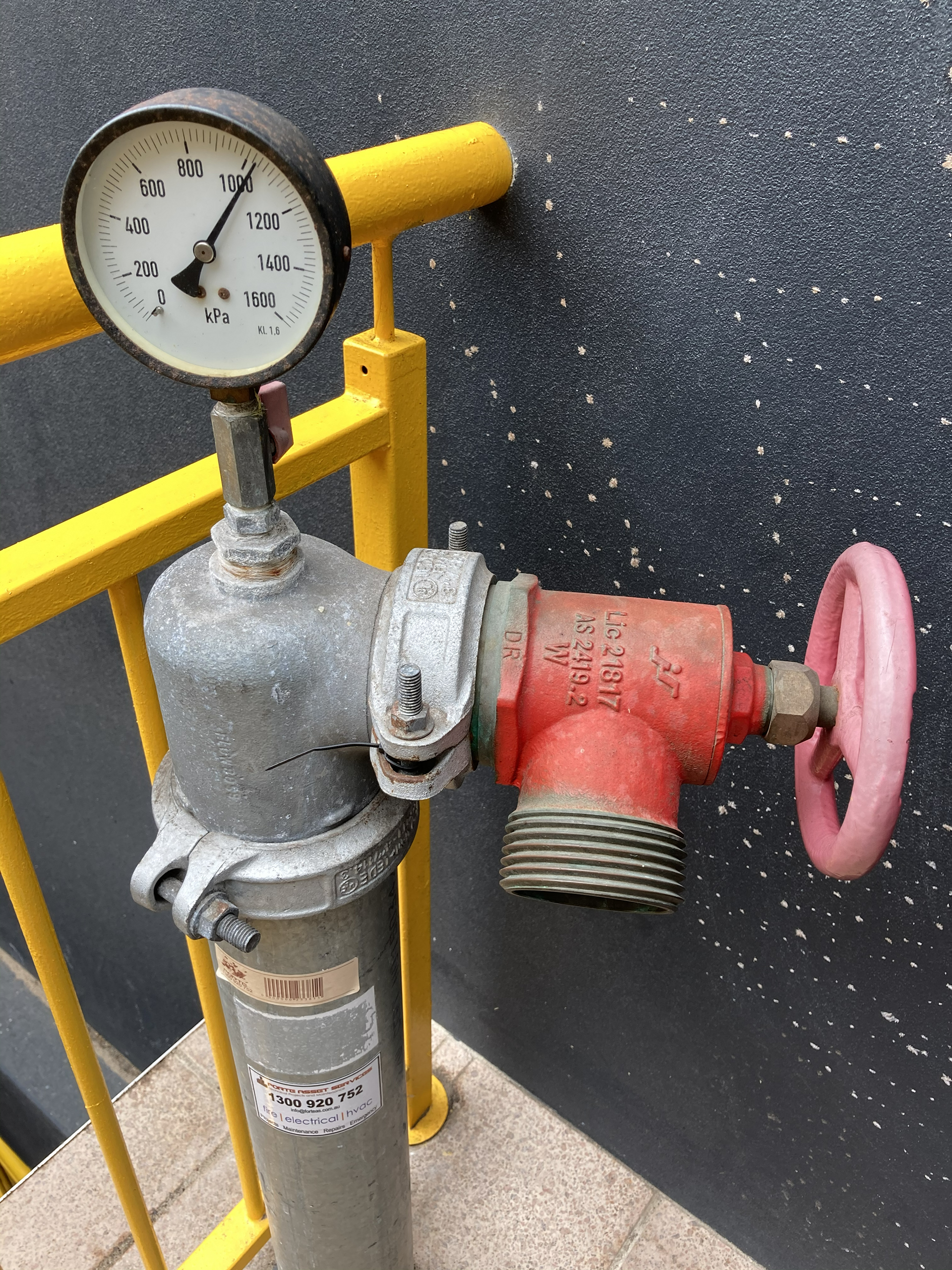
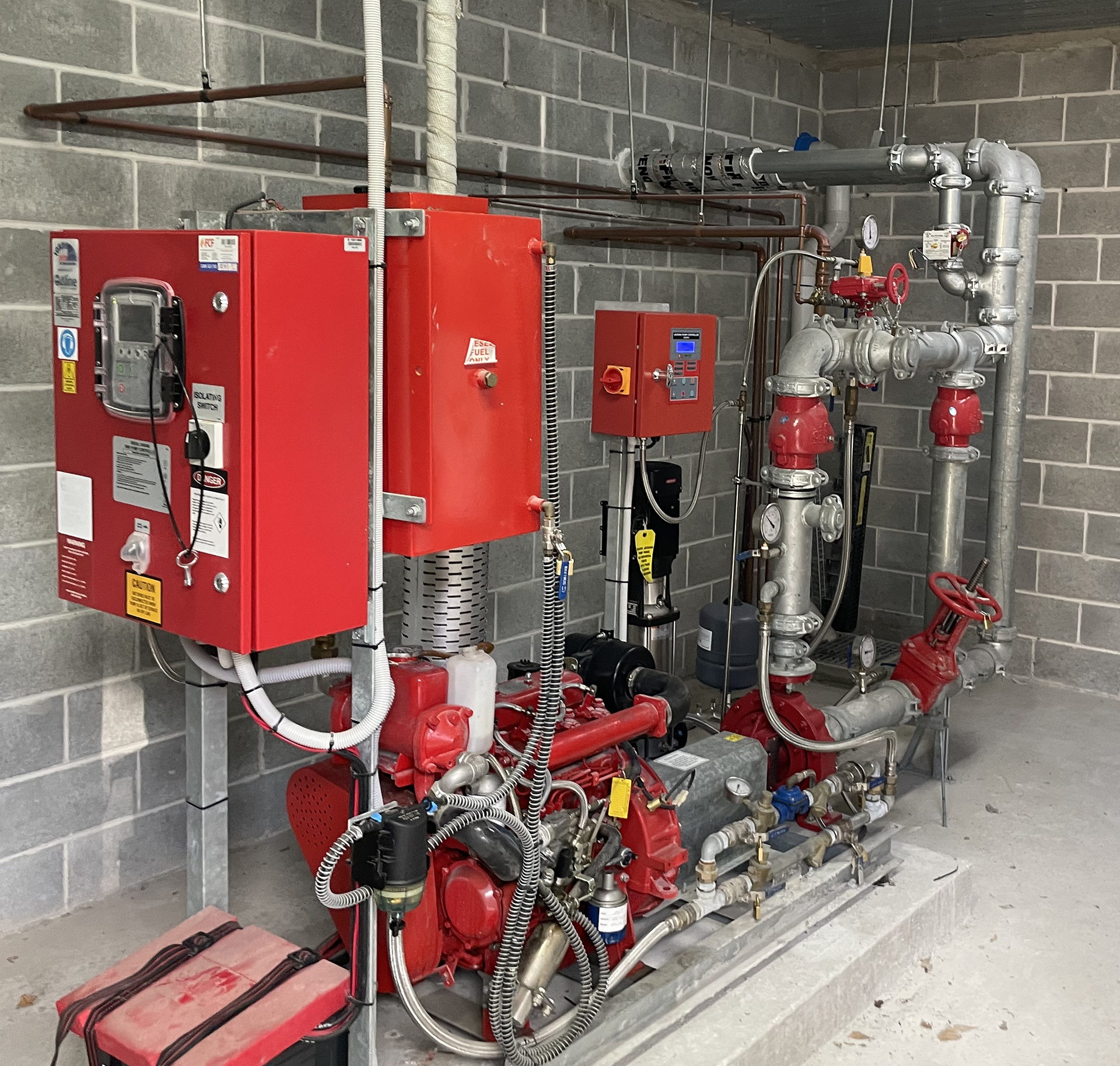
A building may contain fire detection systems, hydrants, hose reels, sprinklers, smoke control systems, fire doors, emergency lighting, exit signage, mechanical ventilation systems, stair pressurisation, emergency warning systems and other life safety infrastructure.
These systems may be maintained by several different contractors and may also interface with lifts, air conditioning systems, access control, security systems and the Building Management System.
We assist clients with the coordination of fire and essential services activities, including:
- scheduled testing and maintenance;
- defect review and rectification;
- annual certification processes;
- access for inspection and testing;
- contractor report review;
- system interface coordination;
- fire door and passive fire issues;
- smoke control and mechanical system coordination;
- and supporting documentation for the Annual Fire Safety Statement process where applicable.
We do not treat fire compliance as an isolated contractor responsibility. It must be coordinated across the broader operation of the building.
Mechanical, Electrical and Building Services Compliance
Mechanical and electrical services are also subject to inspection, maintenance and safety obligations.
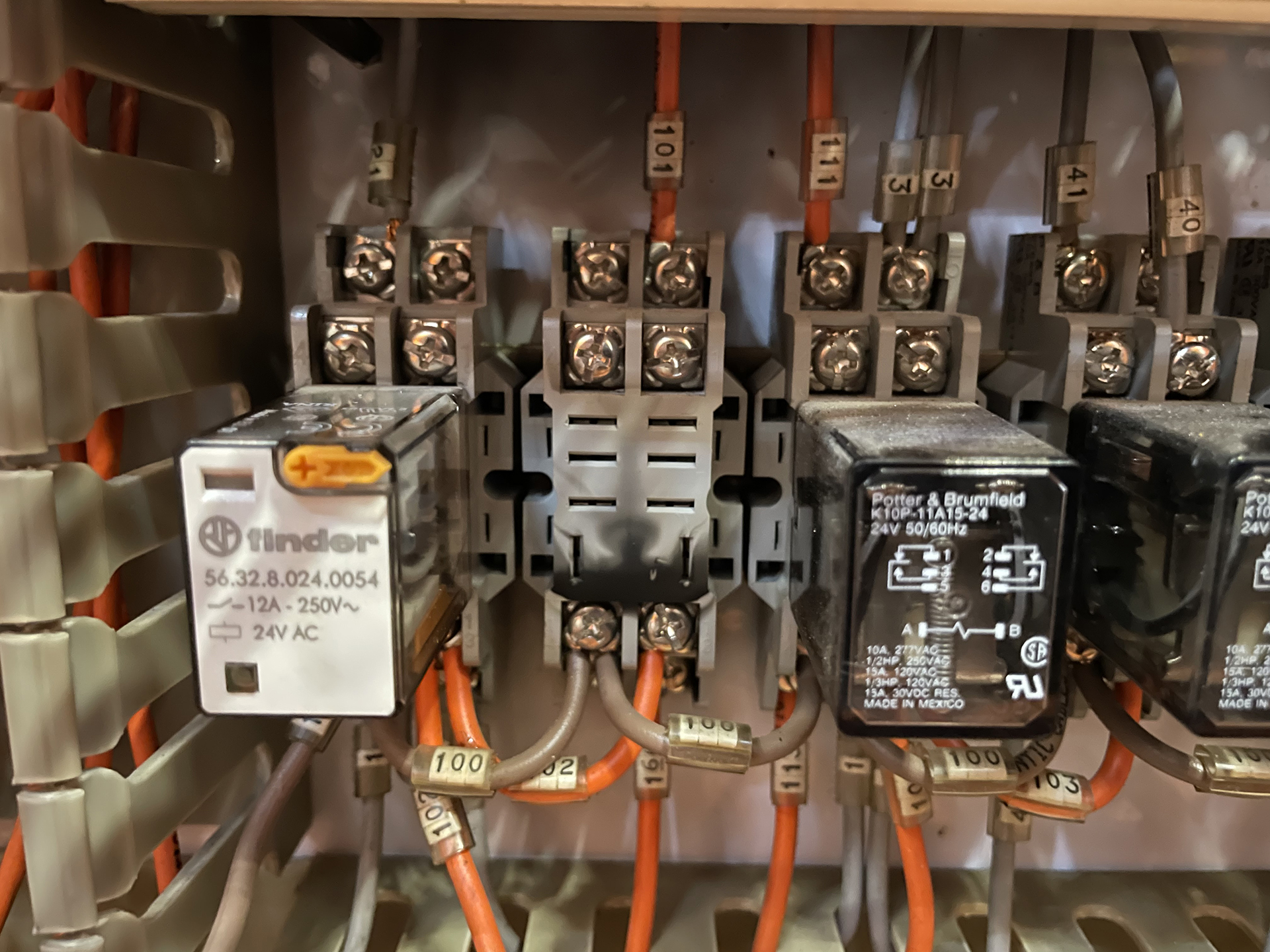
Depending on the building, this may include air conditioning systems, mechanical switchboards, electrical distribution boards, emergency power systems, generators, pumps, ventilation systems, car park exhaust systems, carbon monoxide monitoring, cooling towers, automatic doors, gates, lifts and water treatment systems.
Compliance gaps can arise when equipment is technically operating but is not being maintained, tested or documented in accordance with the relevant requirement.
We help clients review and coordinate matters such as:
- electrical inspection and testing;
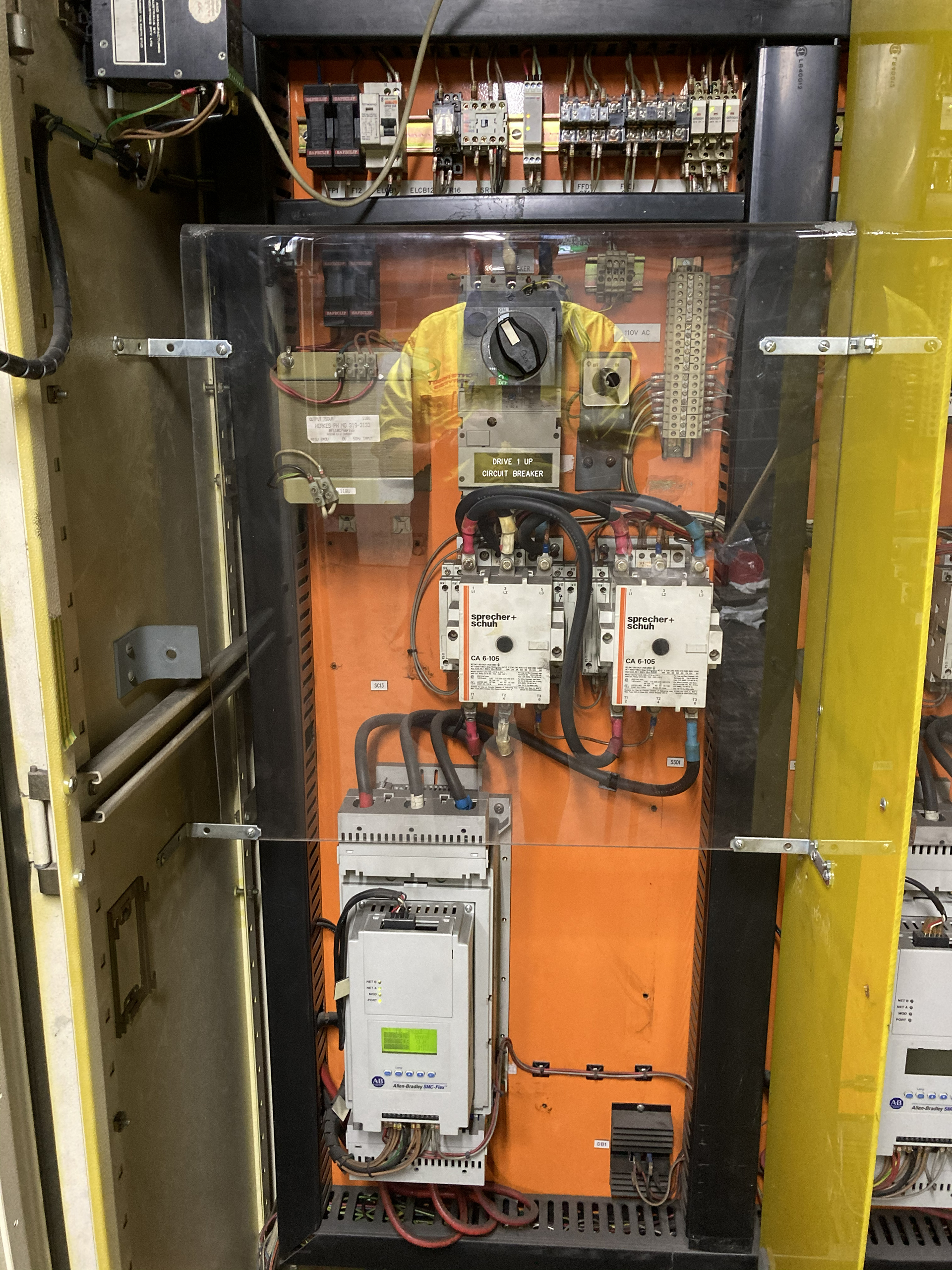
- switchboard and safety-related defects;
- emergency and standby power systems;
- generator testing;
- mechanical ventilation performance;
- carbon monoxide monitoring and car park ventilation;
- cooling tower maintenance and water treatment;
- plant room safety and access;
- equipment servicing requirements;
- and maintenance records for critical building assets.
Our technical background helps us identify when a report raises a genuine operational risk, when further investigation may be required and when multiple contractors need to work together to resolve an issue.
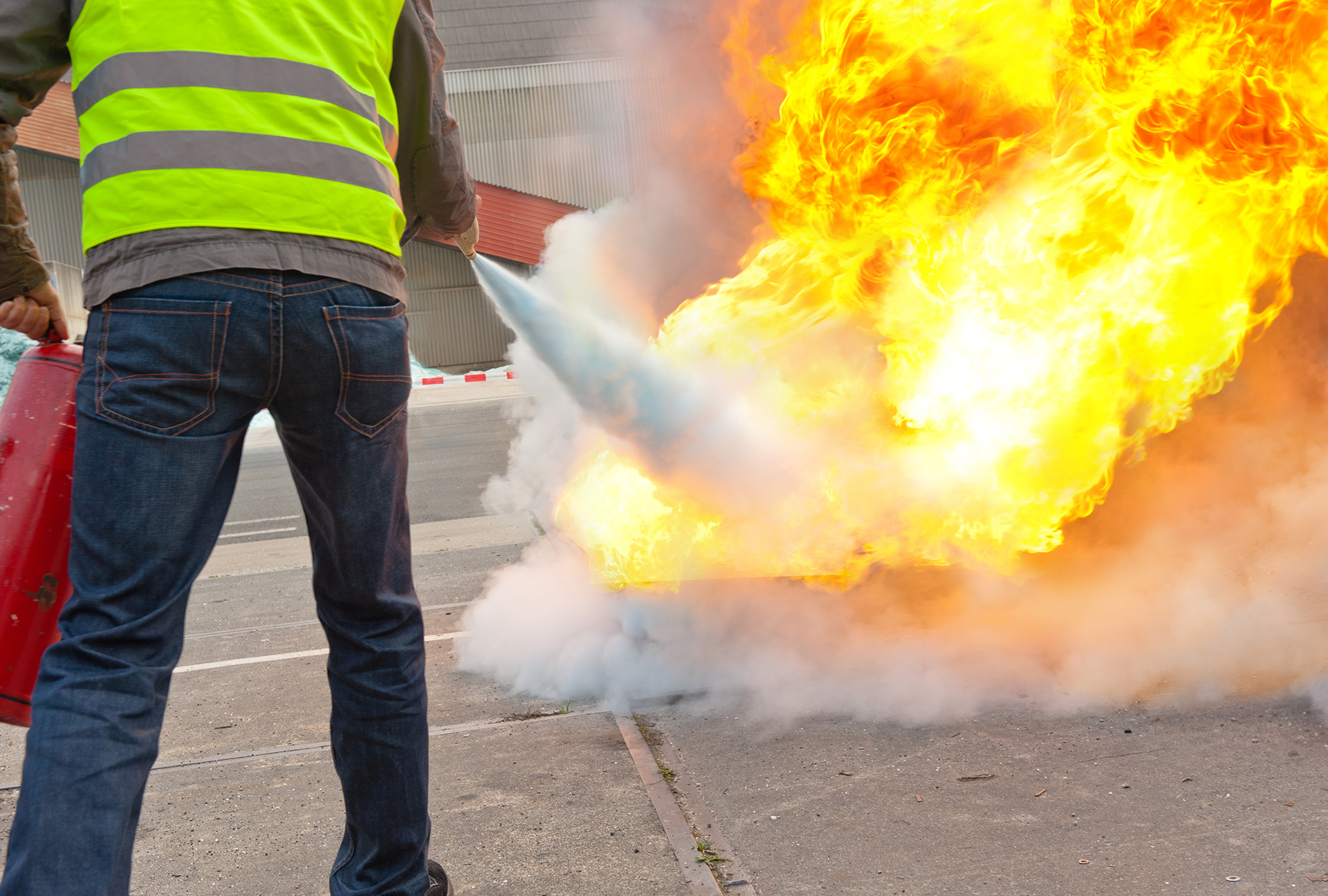
Work Health and Safety Within Building Operations
Building compliance also includes the safe management of people working within the property.
Contractors may be working on roofs, in plant rooms, within electrical switchboards, above ceilings, near cooling towers, inside confined spaces or around operating machinery.
The presence of a contractor on site does not automatically transfer every responsibility away from the building owner, property manager or facility manager.
Practical contractor safety management may include:
- contractor induction;
- insurance and licence verification;
- safe work method statement review;
- permit-to-work procedures;
- isolation and lockout processes;
- roof access controls;
- confined space requirements;
- asbestos awareness;
- hot work permits;
- working-at-heights procedures;
- and coordination with tenants and other contractors.
Performance Facility Management helps establish and maintain workable site processes that support safe contractor activity without creating unnecessary administrative barriers.
Compliance Registers and Document Control
A building may be compliant in practice but still be unable to demonstrate that compliance because records are missing, outdated or difficult to locate.
Good document control provides evidence of what was inspected, what was found, what actions were taken and who completed the work.
Depending on the property, important records may include asset registers, fire safety schedules, Annual Fire Safety Statements, maintenance reports, test results, defect registers, contractor licences and insurances, risk assessments, Safe Work Method Statements, equipment certificates, cooling tower records, asbestos registers, emergency plans, evacuation diagrams, permits, warranties, commissioning records and operating and maintenance manuals.
For fire protection systems, maintaining accurate baseline data is particularly important. A building should have a clear record of the original system design, equipment installed, device quantities, zone layouts, hydraulic calculations where applicable, interface schedules, cause-and-effect programming, testing records and any subsequent alterations or upgrades. Without this baseline information, it becomes increasingly difficult to determine whether a system continues to perform as originally intended or whether undocumented changes have introduced new risks.
Baseline documentation also supports future inspections, system upgrades, fault finding and compliance reviews. It allows owners, property managers and contractors to distinguish between an original design limitation, a later modification or a maintenance issue, rather than relying on assumptions or incomplete historical records.
We help clients organise compliance information so it remains usable, traceable and available when required. A folder full of documents is not the same as an effective compliance system. Records need to be current, structured and linked to the actions they support, providing a reliable history of how the building has evolved throughout its lifecycle.
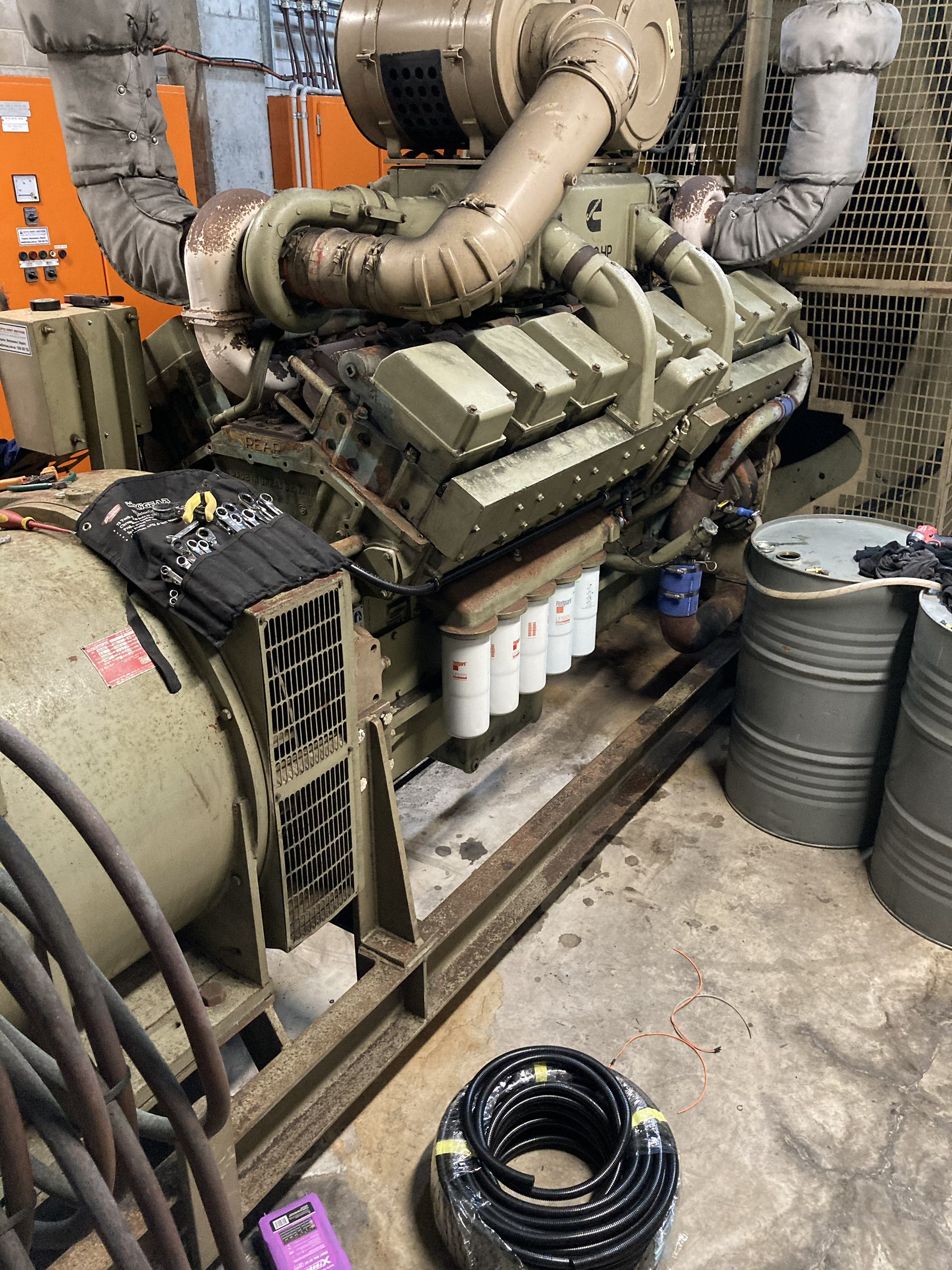
Identifying the Gap Between Reported and Actual Compliance
One of the greatest risks within commercial buildings is the difference between what the documentation says and what is happening on site.
A service report may state that equipment has been tested, but the equipment may remain isolated. A recurring defect may appear in multiple reports without being escalated. An asset register may list equipment that has been replaced or removed. A compliance certificate may rely on systems that have not been tested together under real operating conditions.
Performance Facility Management helps identify these gaps through site inspections, report review, contractor coordination and practical verification.
We look beyond whether a document exists and consider whether the building condition supports the statement being made.
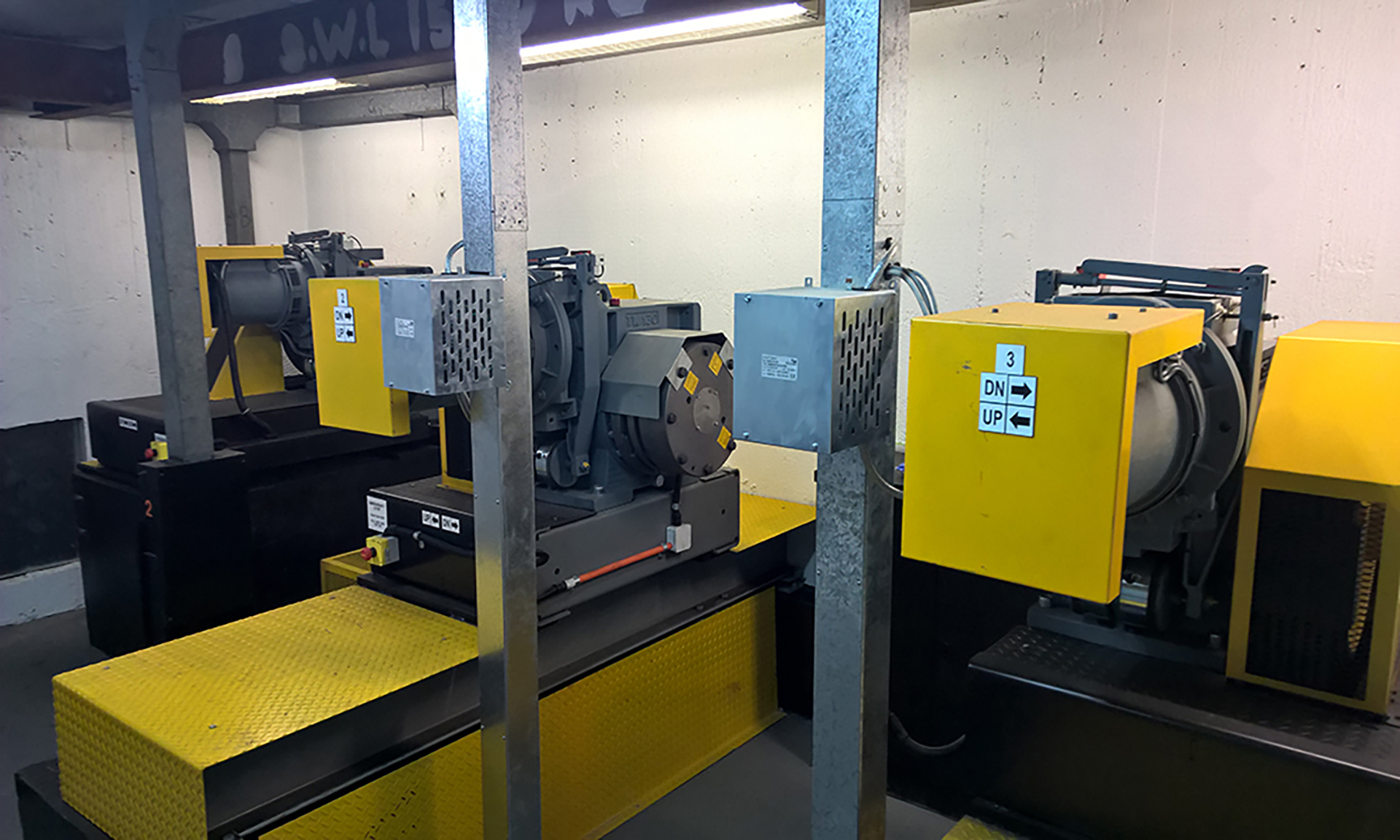
Managing Compliance Defects and Corrective Actions
Compliance reports frequently identify defects, recommendations and observations. However, these items are not always clearly prioritised.
Some defects require immediate action. Others may need further investigation, budgeting or planned replacement. Some may be minor administrative issues, while others may affect life safety, insurance, tenant operations or statutory certification.
We help clients:
- record and classify defects;
- identify responsible parties;
- obtain supporting information;
- coordinate quotations;
- prioritise risk;
- plan rectification works;
- monitor progress;
- and close out completed actions with suitable evidence.
This creates a clearer pathway from identification through to resolution.
Supporting Property Managers and Building Owners
Property managers are often expected to coordinate complex compliance matters while also managing tenants, budgets, leasing requirements, contractors and day-to-day building operations.
Performance Facility Management provides additional technical and operational support where internal resources may be limited.
We can assist with individual compliance matters, provide ongoing compliance coordination or form part of a broader facility management arrangement.
Our involvement can include:
- reviewing reports before they are presented to the owner;
- helping explain technical defects;
- coordinating contractor responses;
- preparing budget allowances;
- tracking outstanding actions;
- assisting with major compliance projects;
- and providing an independent view where contractor recommendations require further scrutiny.
Our role is to help the client make informed decisions rather than simply accept every recommendation without review.
Compliance During Projects and Building Alterations
Fit-outs, refurbishments, equipment replacements and capital works can affect existing building compliance.
Changes to walls, ceilings, services, tenancy layouts, access control, air conditioning, fire systems or electrical infrastructure may create consequences beyond the immediate project area.
Compliance considerations may include:
- fire detection and sprinkler coverage;
- essential services access;
- mechanical ventilation;
- emergency lighting and exit signage;
- fire doors and penetrations;
- smoke control interfaces;
- electrical capacity;
- disability access;
- contractor safety;
- shutdown planning;
- and updated documentation.
We help ensure project works are coordinated with the operational and compliance requirements of the existing building.

Independent Review of Contractor Recommendations
Contractors play an essential role in building compliance, but recommendations may also be influenced by the services, products or replacement equipment they provide. An independent review can help determine:
- whether the recommendation is reasonable;
- whether the proposed scope addresses the actual issue;
- whether repair, replacement or further investigation is appropriate;
- whether other systems will be affected;
- and whether the cost represents suitable value.
With experience across facility management, electrical systems, mechanical services, automation, fire protection and occupied building operations, Performance Facility Management can help clients assess recommendations in the wider context of the property.
Compliance and Lifecycle Planning
Compliance expenditure should not be separated from the long-term management of the building. Repeated repairs, obsolete equipment, recurring defects and incomplete documentation may indicate that a larger capital works strategy is required. We help clients connect compliance requirements with:
- annual operating budgets;
- capital expenditure planning;
- deferred maintenance programs;
- asset replacement priorities;
- five-year and ten-year planning;
- energy improvement opportunities;
- and long-term building performance.
This helps prevent compliance from becoming a cycle of reactive expenditure without addressing the underlying condition of the asset.
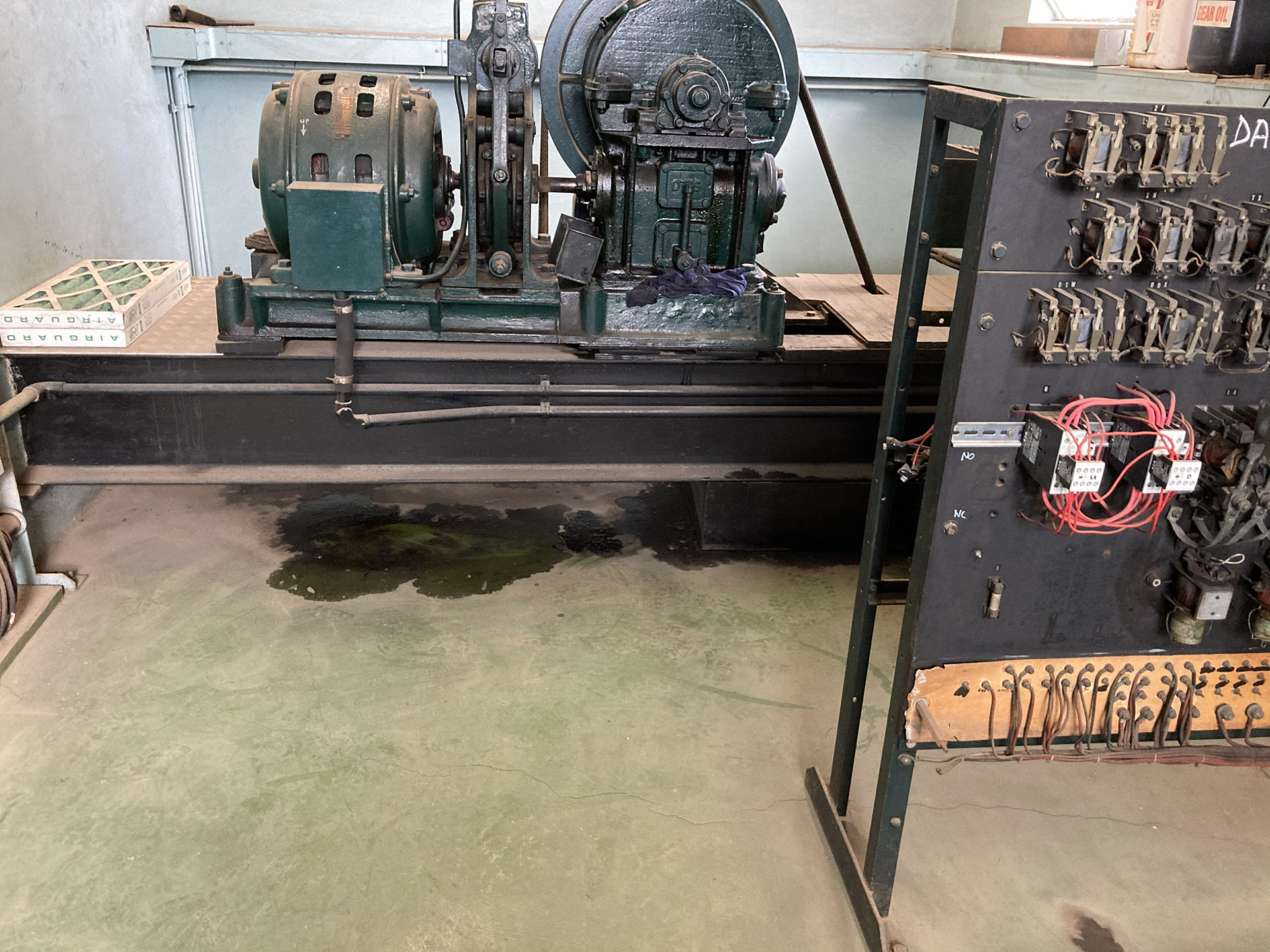

A Coordinated Approach to Commercial Building Compliance
Commercial building compliance involves many parties, but responsibility can become unclear when every contractor only looks after their individual system.
Performance Facility Management provides a central point of coordination across contractors, documents, defects, inspections and building operations.
We bring together technical understanding, facility management experience and practical site knowledge to help clients manage compliance in a more structured and defensible way. The result is not just better documentation.
It is a building where risks are identified earlier, responsibilities are clearer, contractors are better coordinated and compliance activities contribute to the long-term performance and protection of the property.
Estimated reading time: 11 minutes