Estimated reading time: 20 minutes
Projects
Independent Project Support for Commercial Buildings
From business case to building handover, we help ensure your project delivers lasting value—not just practical completion.
Commercial building projects involve far more than managing contractors and meeting construction deadlines. Every decision made during a project can influence the future operation, maintenance, compliance and performance of the building for many years.
Performance Facility Management provides independent project support for commercial office buildings, retail centres, industrial properties, mixed-use developments and strata assets. Drawing upon decades of practical trade, technical and facility management experience, we help property owners, asset managers, strata committees and property managers navigate projects with confidence while protecting the long-term interests of their buildings.
Whether the project involves a major plant replacement, a commercial fit-out, a compliance upgrade or a complete building refurbishment, our focus remains the same: delivering practical outcomes that continue to perform long after the contractors have left site.
Practical Experience Across Every Stage of Building Projects
One of the greatest advantages Performance Facility Management brings to any project is practical experience.
Our background has not been built solely around project administration or construction management. It has been developed through decades working directly with commercial building services, specialist contractors and occupied buildings.
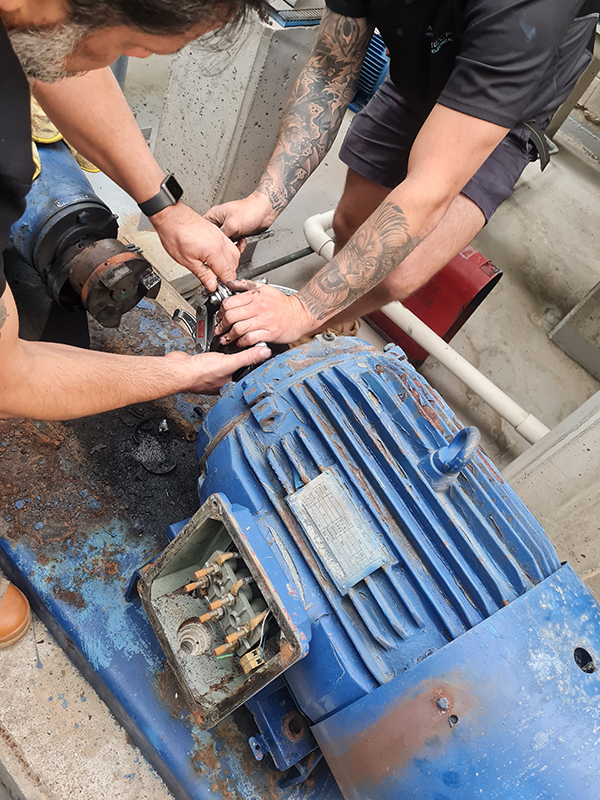
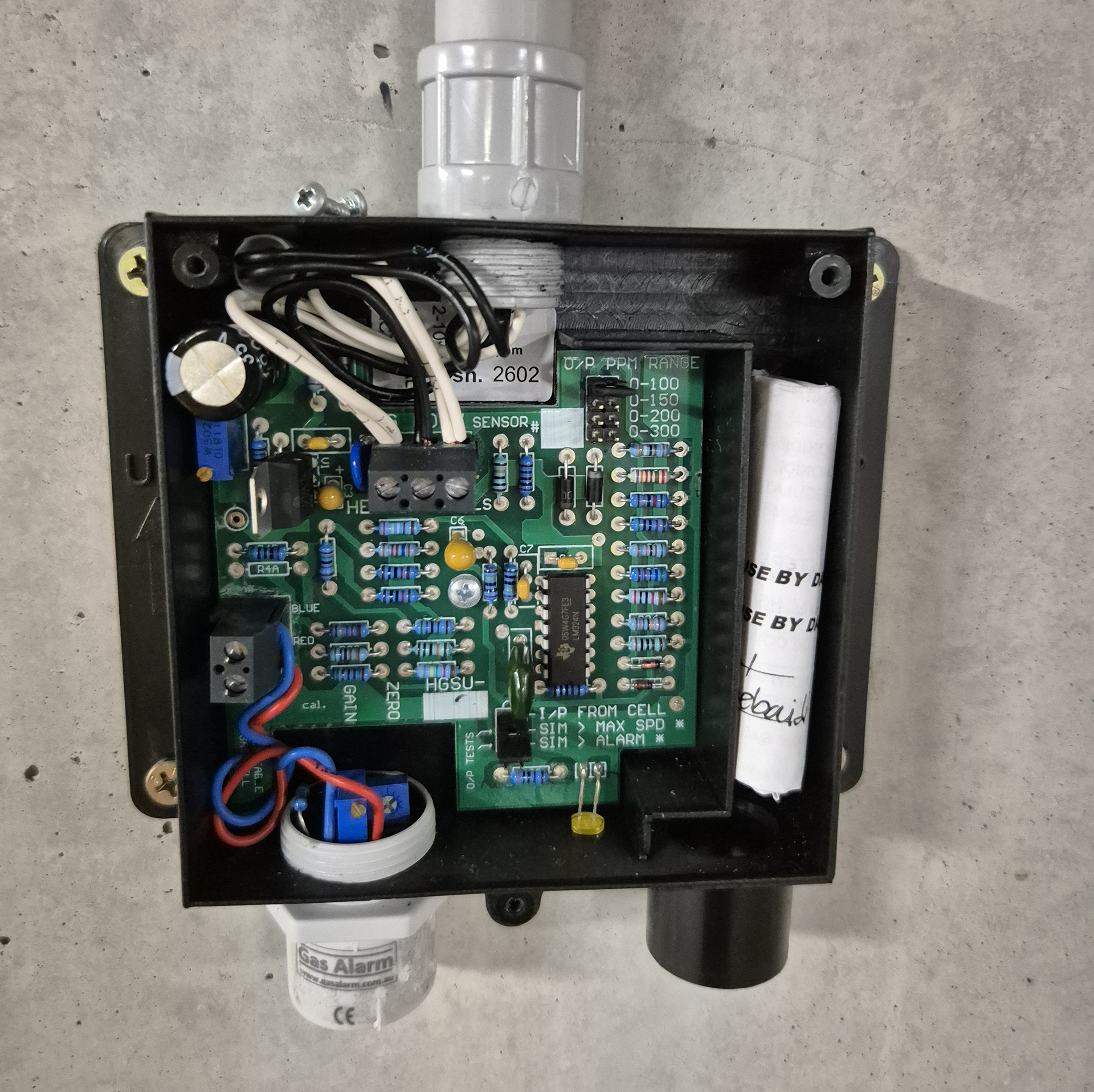
Throughout that journey we have coordinated, supervised or technically supported projects involving:
HVAC plant replacements and mechanical services upgrades, electrical infrastructure projects, main switchboard upgrades, fire protection installations and upgrades, Building Management System (BMS) projects, energy metering systems, lighting upgrades, generator installations, lift modernisations, communications and fibre optic infrastructure, access control and security systems, lighting upgrades, commercial office fit-outs, retail tenancy fit-outs, foyer refurbishments, compliance upgrades, end-of-trip facilities, hydraulic upgrades, building automation, energy efficiency projects and countless maintenance and capital works projects across occupied commercial buildings.
Working alongside contractors, consultants, property managers and building owners has provided us with an appreciation of the practical challenges that arise during live building projects.
We understand the pressures associated with maintaining tenant satisfaction, coordinating multiple trades, managing shutdowns, protecting essential services, maintaining compliance and ensuring existing building operations continue while improvement works are underway.
This technical and operational background allows us to contribute well beyond traditional project coordination.

Independent Project Support
Performance Facility Management can become involved at almost any stage of a project. Some clients engage us before any contractor has been appointed to assist with defining the problem, developing the scope and obtaining realistic budget pricing.
Others engage us during procurement to review tenders, compare contractor submissions and provide an independent technical opinion before significant expenditure is committed.
We also support projects during delivery by assisting with contractor coordination, progress reviews, technical discussions, commissioning, documentation, defects and operational handover.
Because we remain independent, our advice is focused on achieving the best outcome for the building owner rather than promoting a particular contractor or supplier.
Because we remain independent, our role is not to sell construction services or promote a particular contractor, consultant or supplier. Our responsibility is to represent the interests of the client who has engaged us and to help them make informed technical, operational and commercial decisions throughout the project.
In many cases, that client will be the building owner, landlord, asset manager or property manager, where our objective is to protect the long-term value, performance and maintainability of the asset while ensuring project expenditure delivers genuine value.
There are also occasions where we are engaged directly by a commercial tenant undertaking a significant fit-out or workplace refurbishment. In these situations, we provide independent technical support to help the tenant understand landlord requirements, review contractor proposals, coordinate building interfaces and navigate the technical and operational obligations associated with working within an occupied commercial building.
Regardless of who engages us, our objective remains the same—to provide practical, technically sound advice that protects our client’s interests while recognising that every project must ultimately integrate successfully into the ongoing operation of the building.
Projects Must Work for the Building
Successful projects are not measured solely by whether they finish on time or within budget. They must also work for the building.
A technically successful installation can still become an operational problem if maintenance access has been compromised, documentation is incomplete, systems are difficult to operate, proprietary technologies create unnecessary dependence or contractors leave behind defects that only become apparent months later.
Similarly, projects undertaken within occupied buildings must consider tenant operations, business continuity, fire and life safety systems, access arrangements, shutdown planning, security, noise, dust, deliveries and ongoing building performance.
Our role is to help ensure that every project is viewed not only through the lens of construction, but also through the realities of operating and maintaining the building over the next ten or twenty years.

Technical and Operational Oversight
Technical oversight extends well beyond inspecting workmanship or confirming that equipment has been installed. Our approach considers how every decision made during a project may influence the future operation, maintenance, compliance and lifecycle performance of the building.
We examine how new works interact with existing building systems, whether proposed solutions are practical to maintain, whether replacement components are likely to remain available, whether maintenance access has been preserved and whether future operating costs have been fully considered.
Where projects involve building services, we assess the broader interaction between electrical infrastructure, HVAC systems, Building Management Systems, fire protection systems, hydraulic services, security systems, communications infrastructure, lifts, energy metering and essential services.
Rather than viewing each contractor in isolation, we consider how every discipline influences the performance of the building as a whole. For example, a lift modernisation may require electrical upgrades, fire system interfaces, emergency power integration, BMS modifications, communications changes, commissioning, compliance testing and updates to maintenance documentation.
Likewise, replacing an air-conditioning plant may influence electrical capacity, structural loading, controls integration, energy performance, roof access, maintenance procedures and future capital planning.
These relationships are often overlooked when projects are managed purely from a construction perspective. Our role is to help identify these interactions before they become operational problems. We also consider questions such as:
- Will future maintenance be safer and easier?
- Has adequate service access been maintained?
- Have unnecessary lifecycle costs been introduced?
- Does the solution genuinely improve building performance?
- Have proprietary systems created future commercial risk?
- Will building operators understand how to manage the new installation?
- Have asset registers, maintenance schedules and compliance documentation been updated?
- Has commissioning demonstrated genuine operational performance rather than simply proving equipment can start?
This broader perspective helps protect the building long after practical completion has been achieved.

Projects in Occupied Buildings
Delivering projects within an occupied commercial building is fundamentally different from constructing a new building on an empty site.
The building continues to operate while construction activities take place around tenants, visitors, contractors and the general public. Businesses still need to trade, offices remain occupied, deliveries continue, essential building services must remain operational and occupants expect a safe, comfortable and compliant environment throughout the duration of the works.
Successfully coordinating these competing priorities requires careful planning, clear communication and a detailed understanding of how commercial buildings operate.
Performance Facility Management understands these operational realities because we have spent decades working inside occupied buildings, coordinating technical works while helping property owners, managers, contractors and occupants continue operating safely.
One of the first priorities is understanding how people move through the building. Construction activities often affect entrances, loading docks, lift lobbies, corridors, fire exits, stairways and other shared spaces. Safe pedestrian access must be maintained for tenants, visitors, contractors, emergency services and members of the public at all times. Temporary access arrangements, wayfinding, hoardings and exclusion zones should be carefully planned so they support both construction activities and normal building operations without creating unnecessary confusion or safety risks.
Equally important is understanding the impact construction can have on the occupants themselves. Commercial buildings are highly efficient at transmitting noise and vibration. Concrete floor slabs, structural steelwork, risers and service penetrations can effectively act as giant speaker boxes, allowing drilling, coring, demolition and hammering in one tenancy to be heard several floors away. Activities that may appear minor from a construction perspective can become major disruptions to tenants attempting to conduct meetings, operate call centres, consult with clients, teach students or provide healthcare services.
Effective project planning therefore extends beyond simply scheduling noisy works. It involves understanding tenant operations, coordinating after-hours activities where appropriate, communicating proposed disruptions well in advance and balancing construction efficiency with the operational needs of the building.
Essential building services require equally careful consideration throughout the project.
Fire detection and alarm systems, sprinkler systems, hydrants, emergency warning systems, smoke control systems, emergency lighting, exit signage, emergency generators, fire doors, lifts, Building Management Systems, electrical infrastructure, HVAC systems, security systems and communications networks often remain operational while works are being undertaken. Temporary impairments or shutdowns may be necessary, however these must be carefully planned, documented, approved and monitored to ensure building safety and compliance are maintained at all times.
Projects may also coincide with routine statutory obligations that continue regardless of construction activities. Annual Fire Safety Statements (AFSS), Essential Fire Safety Measures inspections, routine maintenance, statutory testing, insurance inspections, generator load testing, lift servicing and other compliance activities often continue throughout the life of the project. These obligations should be considered during planning so that construction activities do not inadvertently delay or compromise mandatory compliance requirements.
Many projects also require careful coordination with incumbent maintenance contractors. Existing service providers possess valuable knowledge of the building’s systems and may need to isolate, monitor, inspect or recommission equipment before and after construction works. Early engagement with these contractors can significantly reduce project risk and minimise unnecessary disruption.
Communication is another critical component of occupied building projects. Contractors, security personnel, building management, property managers, tenants and specialist service providers must all understand what work is occurring, where it is taking place, when interruptions are expected and how building operations will be managed throughout the project. Even seemingly minor issues, such as the inappropriate use of portable radios, loud music, open doors between work areas and occupied spaces, poor housekeeping or uncontrolled deliveries, can quickly become sources of frustration for tenants and negatively impact the reputation of both the project and the building.
Access and logistics also require careful planning. Loading docks, goods lifts, parking areas, storage locations, waste removal, crane lifts, deliveries, material handling and contractor parking all compete with the normal daily operation of the building. Without proper coordination these activities can interfere with tenant access, emergency vehicle movements and building operations.
Performance Facility Management works alongside building owners, landlords, property managers, contractors and tenants to help coordinate these competing requirements throughout the project lifecycle. Our objective is not simply to deliver construction works, but to ensure the building remains safe, operational and professionally managed while those works are being undertaken.
Successful projects in occupied buildings are measured not only by the quality of the finished construction, but also by how effectively the building continued to function throughout the journey.

Scope Development, Tenders and Contractor Selection
Many project problems begin long before the first contractor arrives on site.
A successful project starts with a clearly defined scope of work. When the scope is incomplete, ambiguous or lacks sufficient technical detail, contractors are often forced to make assumptions when preparing their quotations. Those assumptions can result in significant differences between tender submissions, making it difficult for clients to compare proposals on an equal basis.
One of the most overlooked areas during tender evaluation is the list of exclusions contained within each quotation.
Exclusions are not necessarily unreasonable. In many cases they simply identify work that the contractor believes falls outside the information provided. However, if those exclusions are not recognised and addressed before a contract is awarded, they can later emerge as project variations once construction has commenced.
Our experience has shown that many of the most expensive variations are not the result of unforeseen site conditions, but of scope items that were never fully clarified during the tender stage.
Performance Facility Management assists clients by carefully reviewing project documentation, scopes of work, tender submissions and contractor qualifications to identify inconsistencies, assumptions, exclusions and potential gaps before contracts are signed.
Where practical, we encourage these issues to be discussed and resolved during the tender process. Clarifying scope at this stage allows contractors to include the work within their original pricing, rather than introducing additional costs after the project has commenced.
This process not only improves pricing transparency but also provides clients with greater certainty over project budgets, reduces the likelihood of contractual disputes and minimises unexpected financial surprises during construction.
We also assist clients in comparing tenders beyond the headline price.
A lower quotation may exclude commissioning, after-hours works, permits, temporary services, documentation, testing, training, disposal of redundant equipment or integration with existing building systems. Another proposal may appear more expensive initially, yet include these items as part of a complete solution.
Our role is to help clients understand exactly what is included, what has been excluded and, just as importantly, what may have been overlooked entirely.
Contractor selection should never be based solely on price. Technical capability, experience with occupied commercial buildings, understanding of operational requirements, safety performance, quality of documentation, programme methodology and long-term maintainability all contribute to the overall value of a proposal.
By identifying scope gaps and potential variations before construction begins, Performance Facility Management helps clients establish more accurate project budgets, reduce commercial risk and create a stronger foundation for a successful project.
Ultimately, our objective is simple: resolve as many questions as possible before work starts, because changes identified during planning are almost always less expensive than changes discovered during construction.
Working with Incumbent Contractors
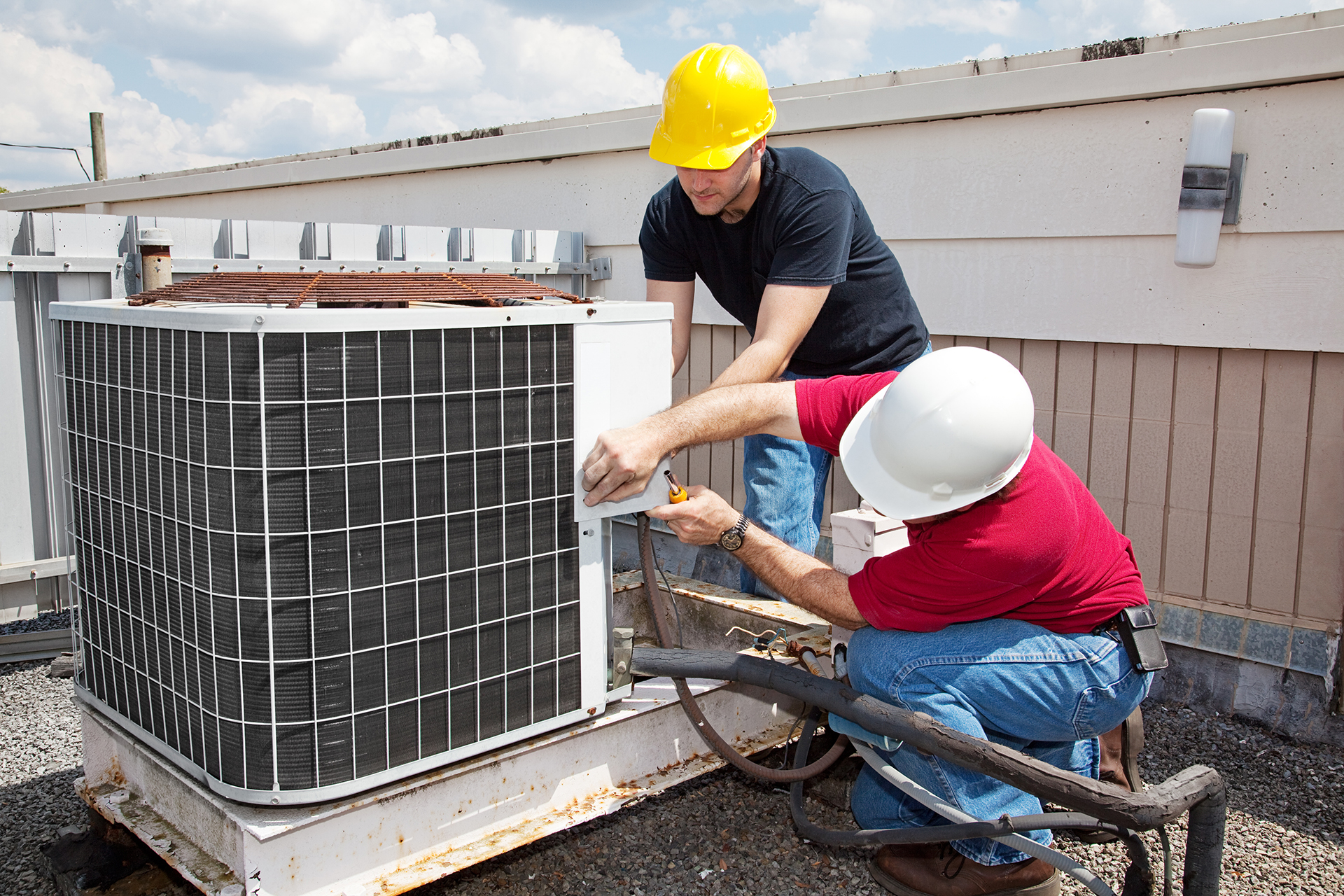
Incumbent contractors often possess valuable knowledge about a building’s systems, history and operational constraints.
Their familiarity can reduce risk and improve continuity throughout a project. However, incumbent status should never remove the need for independent assessment.
Performance Facility Management helps clients determine when existing contractors provide genuine operational value and when broader market testing or alternative technical solutions should be considered.
The objective is to achieve the best outcome for the building while maintaining transparency and commercial accountability.
Safety, Access and Building Operations
Projects within occupied buildings require careful coordination.
We assist with contractor inductions, permits, shutdown planning, fire system impairments, after-hours access, loading dock coordination, tenant communication, lift protection, housekeeping, waste management and building-specific operational requirements.
These processes protect the building, its occupants and the contractors carrying out the work while reducing unnecessary disruption.

Budgets, Variations and Commercial Reviews
Even with the most carefully prepared project documentation, change is an inevitable part of many commercial building projects. Unexpected site conditions may be uncovered, client requirements may evolve, existing building services may differ from original drawings or previously concealed conditions may only become apparent once demolition or construction has commenced.
While some variations are both legitimate and unavoidable, many commercial disputes arise because scope exclusions, assumptions or omissions were not fully identified during the planning and tender stages. For this reason, Performance Facility Management places significant emphasis on identifying potential commercial risks before construction begins. Every exclusion clarified before a contract is awarded is one less uncertainty that may become a variation during the project.
Once works have commenced, our role shifts towards helping clients understand the commercial implications of proposed changes before additional costs are approved.
When contractors submit variation claims, we assist clients by reviewing the original contract documentation, approved scope of works, tender clarifications, drawings and specifications to determine whether the additional work genuinely falls outside the agreed scope or whether it may already have been reasonably contemplated within the original contract.
Where variations are legitimate, we help ensure the client clearly understands what additional work is being undertaken, why it has become necessary, the impact on the project programme and whether the proposed pricing is reasonable and proportionate to the work involved. Equally important is identifying potential variations as early as possible.
Experience has shown that issues identified during the early stages of construction can often be incorporated into the project while multiple contractors are already mobilised on site. Once construction has progressed, those same issues frequently become significantly more expensive to address due to access restrictions, rework, programme delays, after-hours labour or disruption to occupied areas.
Early identification provides clients with more options, greater pricing certainty and the opportunity to make informed decisions before costs begin to escalate.
Performance Facility Management also assists with monitoring overall project expenditure against approved budgets throughout the life of the project. This includes reviewing progress claims, monitoring committed expenditure, assessing contingency allowances, identifying emerging commercial risks and providing clear reporting so clients understand both current costs and likely final project expenditure.
Our role is not simply to question contractor pricing. It is to provide independent technical and commercial advice that allows clients to make informed decisions with confidence. A variation is not necessarily a problem. However, unnecessary variations, poorly documented scope changes or commercial surprises can significantly affect project budgets and stakeholder confidence.
By combining careful planning, detailed tender reviews and ongoing commercial oversight throughout construction, Performance Facility Management helps clients minimise financial risk, improve budget certainty and maintain greater control over their projects from commencement through to completion. Ultimately, successful commercial project management is not simply about controlling costs—it is about understanding where costs originate, identifying risks before they become expensive problems and ensuring every dollar invested contributes genuine value to the completed building.
Commissioning Is Not the Same as Practical Completion
One of the most common misunderstandings in commercial building projects is assuming that commissioning, practical completion and final completion all mean the same thing. They do not.
Commissioning is the structured process of testing, verifying and demonstrating that building systems operate safely, reliably and in accordance with the design intent. It confirms that individual systems and, more importantly, the interaction between those systems perform as expected under normal operating conditions.
Practical Completion, on the other hand, is a contractual milestone. It generally signifies that the works are substantially complete and that the building, or the relevant part of it, can be occupied or used for its intended purpose, even though minor defects, outstanding documentation or incomplete items may still exist.
Reaching Practical Completion should never be interpreted as meaning every system has been fully optimised, every document has been delivered or every operational issue has been resolved.
The period between commissioning and Practical Completion is often where the final coordination of complex building services takes place. Building Management Systems, HVAC equipment, fire protection systems, electrical infrastructure, security systems, lifts, communications and other essential services frequently require further integration, fine tuning, seasonal adjustment or operational verification before the building is genuinely performing as intended.
Following Practical Completion, projects typically enter the Defects Liability Period, during which defects identified through normal operation can be rectified by the contractor. This period provides an important opportunity for building owners, facility managers and occupants to confirm that systems continue to perform reliably under real operating conditions.
Performance Facility Management assists clients throughout each of these stages.
We review commissioning records, witness functional testing where appropriate, assess system integration, identify outstanding defects, review documentation and help ensure that practical completion is supported by genuine operational readiness—not simply by contractual paperwork.
Our objective is to help clients take possession of a building that is not only substantially complete, but also safe, maintainable, compliant and capable of delivering the performance expected throughout its operational life.
Because ultimately, a project should not be judged by the date Practical Completion was achieved. It should be judged by how well the building performs after the contractor has left site.

Documentation and Operational Handover
Good documentation protects the building long after the project has finished.
Depending on the project, this may include approved drawings, as-built drawings, commissioning records, operating manuals, warranties, certificates, software backups, control strategies, maintenance information, asset registers and compliance documentation.
We also encourage updating maintenance schedules, lifecycle plans and asset registers so the new installation becomes fully integrated into the ongoing management of the property.

Why Performance Facility Management?
Many organisations can coordinate a construction project. Far fewer understand what happens after the project team leaves and the building begins operating every day. That difference is at the heart of Performance Facility Management.
Our experience has been built over decades working across the commercial property industry—not only as facility management advisers, but also as electricians, mechanical services specialists, Building Management System engineers, fire systems integrators, commissioning engineers and technical consultants.
We have worked on occupied commercial buildings, retail centres, hospitals, educational facilities, industrial sites and mixed-use developments, providing practical technical support across electrical services, HVAC, Building Management Systems, fire protection, energy management, vertical transport, compliance, asset management and building operations. Just as importantly, we have lived with the consequences of projects long after construction has finished.
We have inherited buildings where documentation was incomplete, commissioning was rushed, maintenance access was overlooked, systems were poorly integrated, asset registers were inaccurate and contractors had already moved on. We have spent years helping building owners resolve problems that could have been prevented during the planning and construction stages. That operational experience changes how we approach every project.
When reviewing drawings, specifications, tenders or contractor proposals, we naturally ask questions that only emerge from operating commercial buildings over the long term.
- How will this equipment actually be maintained?
- Is there safe access for future servicing?
- Will this integrate with the existing Building Management System?
- Has sufficient space been allowed for replacement in fifteen years’ time?
- Are ongoing maintenance costs being considered alongside the initial capital cost?
- Will this improve building performance or simply satisfy today’s construction programme?
- Have the contractor’s exclusions created unnecessary commercial risk?
- Will today’s decisions create tomorrow’s maintenance problems?
These are not simply design or construction questions. They are ownership questions. Performance Facility Management represents the interests of the client throughout the entire project lifecycle. Whether acting for a building owner, landlord, asset manager, property manager, Owners Corporation or commercial tenant, our responsibility is to provide independent technical and commercial advice that supports informed decision-making. Unlike contractors, we are not engaged to sell construction services.
Unlike designers, we are not focused solely on the design.
Unlike builders, our success is not measured by reaching Practical Completion.
Our focus is on ensuring that the completed project delivers long-term value, reliable operation, manageable maintenance costs and a building that performs as intended for many years after construction has finished.
That independent perspective enables us to identify technical, operational and commercial risks early, support better procurement decisions, reduce unnecessary project costs and help clients avoid many of the problems that only become apparent once a building enters normal operation. Because ultimately, successful projects are not defined by the day construction finishes. They are defined by how successfully the building performs for the next ten, twenty or even thirty years.