Estimated reading time: 14 minutes
Commercial HVAC Maintenance
Keeping Commercial Buildings Comfortable, Efficient and Reliable
Heating, Ventilation and Air Conditioning (HVAC) systems are among the largest and most critical assets within any commercial building. They influence occupant comfort, energy consumption, equipment reliability, tenant satisfaction and the long-term value of the property.
At Performance Facility Management, we coordinate and manage commercial HVAC maintenance programs that help building owners, property managers and facilities managers protect these valuable assets. Our role extends beyond simply arranging routine servicing. We focus on ensuring HVAC systems operate safely, efficiently and reliably while supporting compliance, reducing operating costs and extending equipment life.
Whether your building contains a small split system or a complex central plant with chillers, boilers, cooling towers and Building Management Systems (BMS), we provide the oversight required to keep everything operating together.
Commercial Buildings Don’t Fail Overnight
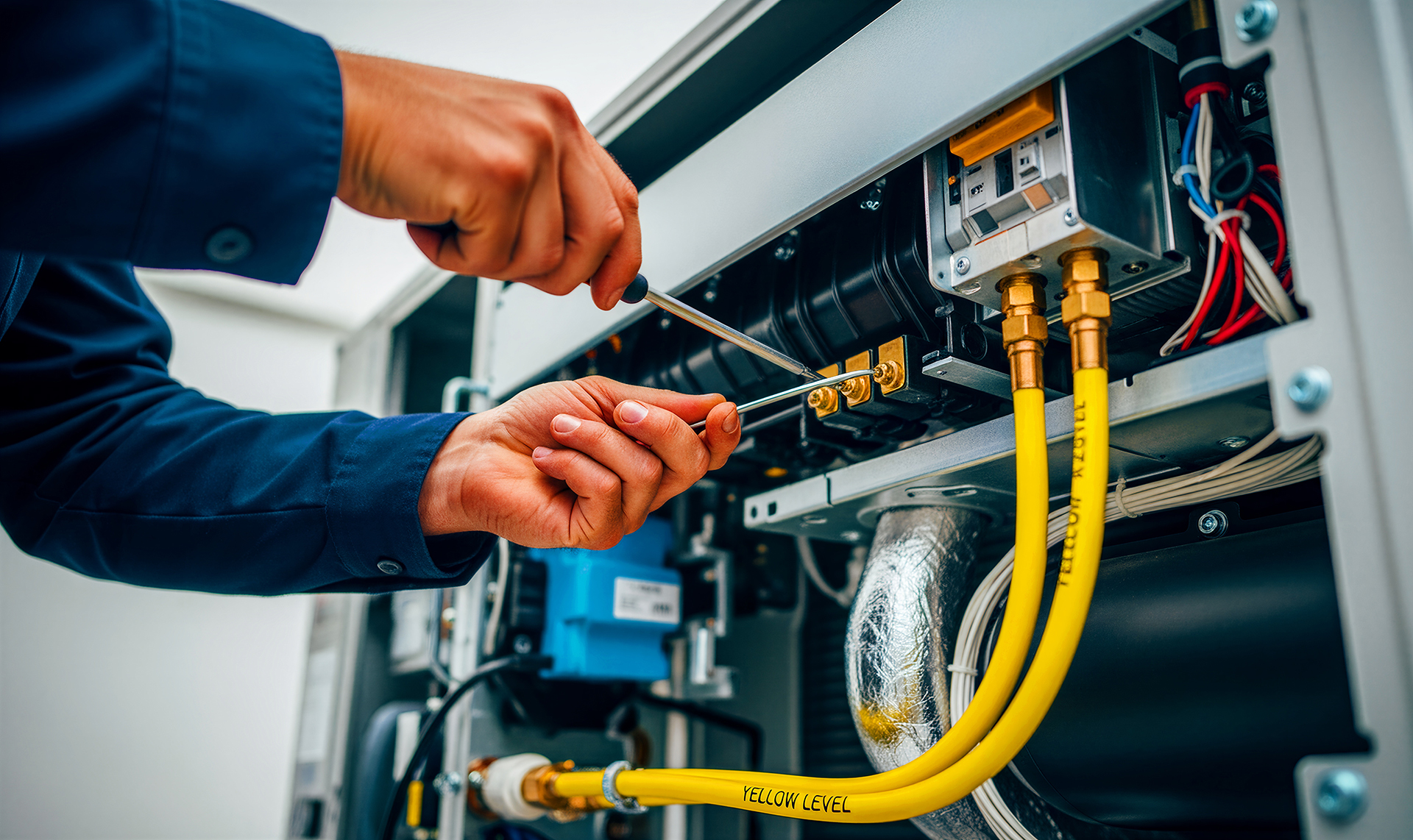
Commercial HVAC systems rarely fail without warning.
In most cases, performance declines gradually. Energy consumption increases, tenant comfort deteriorates, maintenance costs begin to rise and small defects become larger, more expensive problems. By the time a major breakdown occurs, the warning signs have often been present for months—or even years.
A well-managed HVAC maintenance program is designed to identify these warning signs early. Through regular inspections, maintenance reporting and contractor oversight, building owners can make informed decisions before minor issues develop into significant operational or financial risks.
Effective maintenance protects more than mechanical equipment. It supports occupant comfort, reduces operating costs, extends asset life and helps maintain the long-term performance of the building.
Buildings don’t suddenly become expensive to operate. They gradually become expensive through hundreds of small issues that go unnoticed, unmanaged or unresolved.
Our Approach
Performance Facility Management provides independent management and coordination of HVAC maintenance programs. Rather than simply responding to breakdowns, we take a proactive approach focused on planning, reporting and continual improvement.
Our services include:
- Preventative maintenance scheduling
- Reactive maintenance coordination
- Mechanical contractor management
- Asset condition reporting
- Maintenance budgeting
- Equipment lifecycle planning
- Maintenance record management
- Performance monitoring
- Defect tracking
- Client reporting
Our objective is to ensure maintenance activities contribute to the long-term performance of the building rather than simply addressing today’s problems.
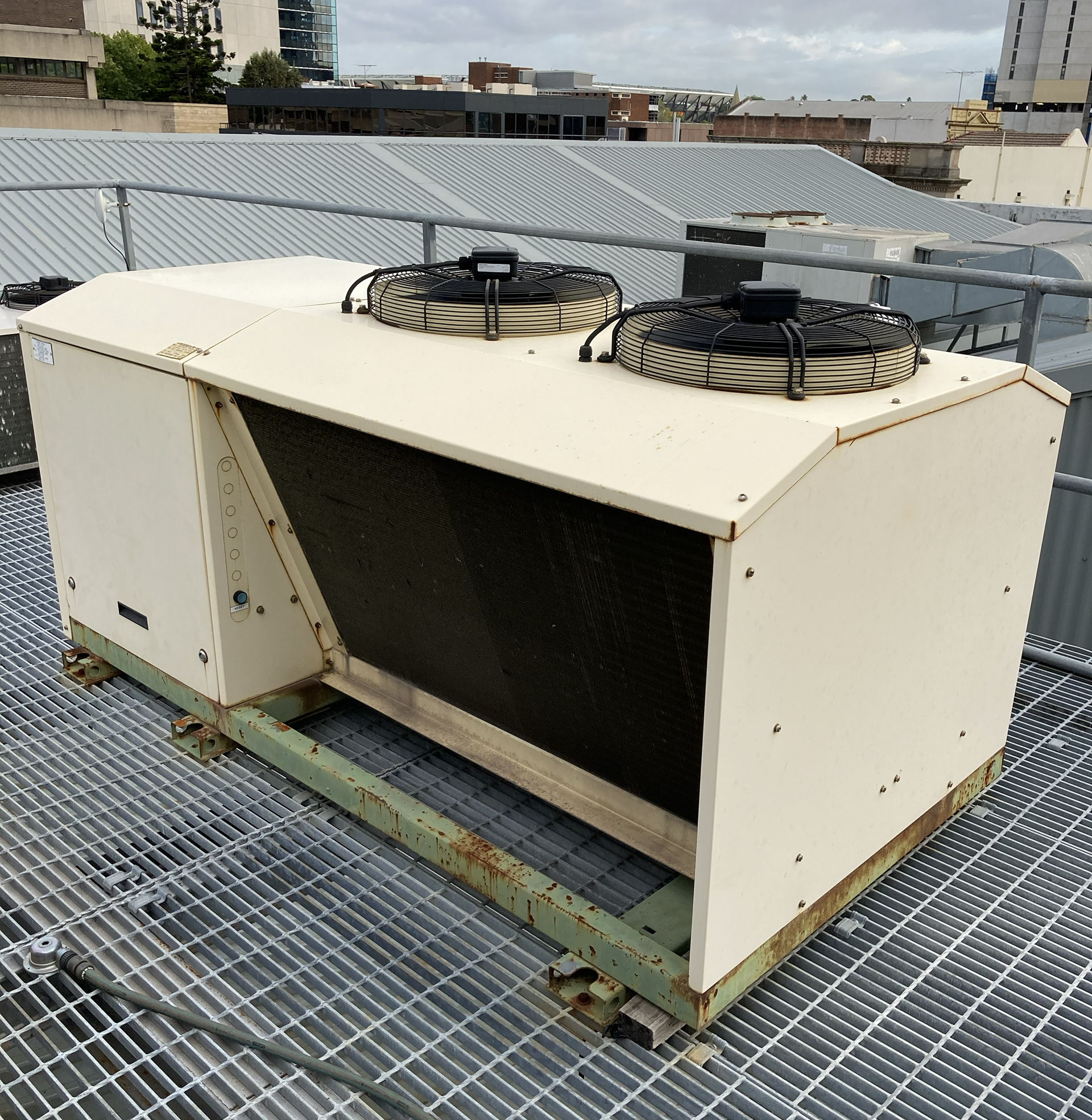
Managing Every Part of Your HVAC Infrastructure
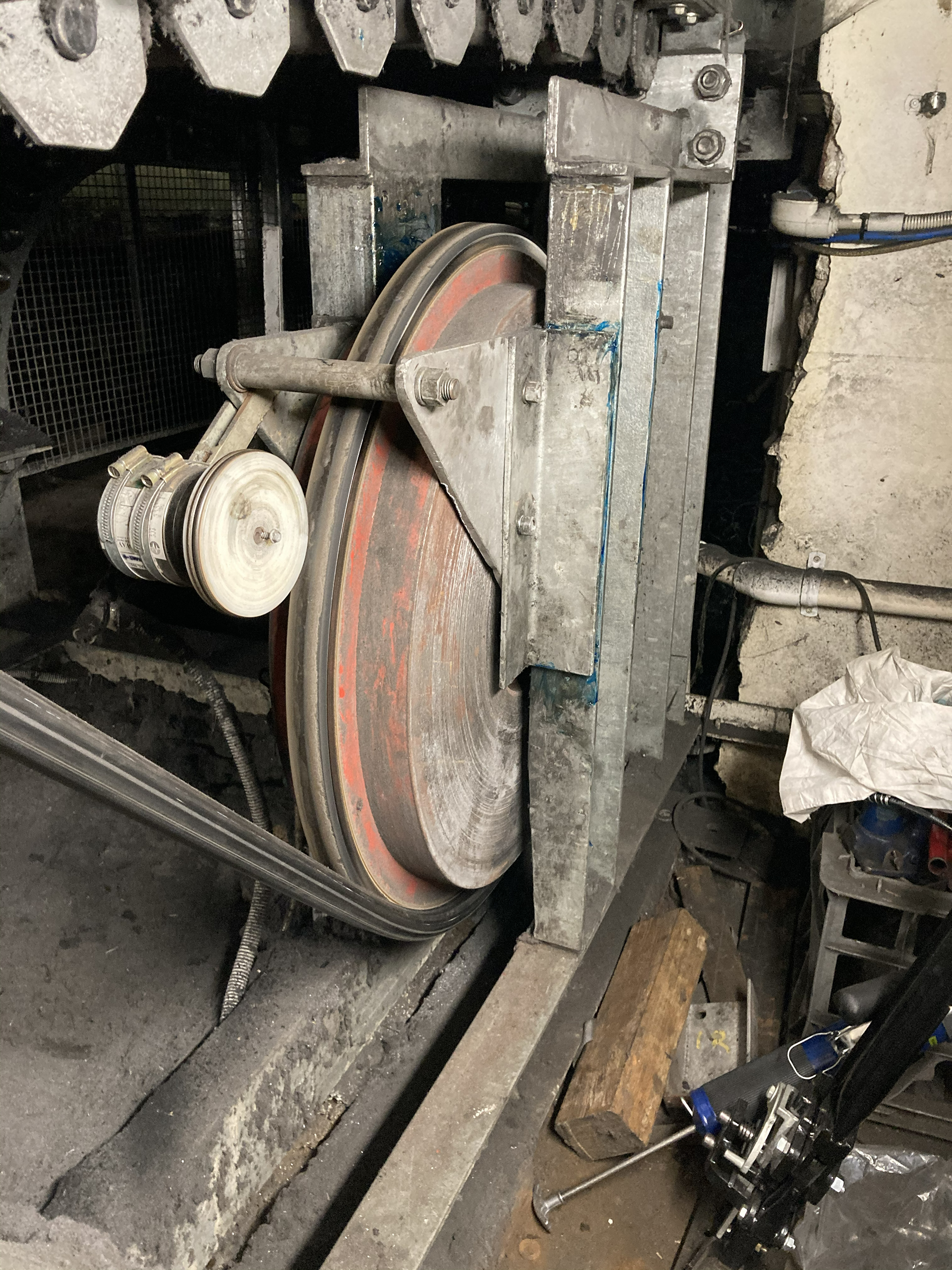
Commercial HVAC systems are made up of many interconnected components, each performing a specific role in maintaining occupant comfort, energy efficiency and reliable building operation. While individual pieces of equipment may be maintained by specialist contractors, they must all work together as a coordinated system.
Performance Facility Management oversees the maintenance of the entire HVAC infrastructure, including central plant, air distribution systems, tenant air-conditioning, ventilation systems, life safety mechanical services and the Building Management System (BMS) that brings everything together.
Whether your building contains a single rooftop package unit or multiple chillers serving a high-rise commercial tower, our role is to coordinate maintenance, monitor performance and ensure every component continues to support the operational needs of the building.
From chillers, boilers, cooling towers and pumps through to Air Handling Units (AHUs), Fan Coil Units (FCUs), Variable Air Volume (VAV) boxes, VRF systems, car park ventilation, smoke control systems and associated Building Management Systems (BMS), we provide independent management focused on reliability, efficiency and long-term asset performance.
Preventative Maintenance
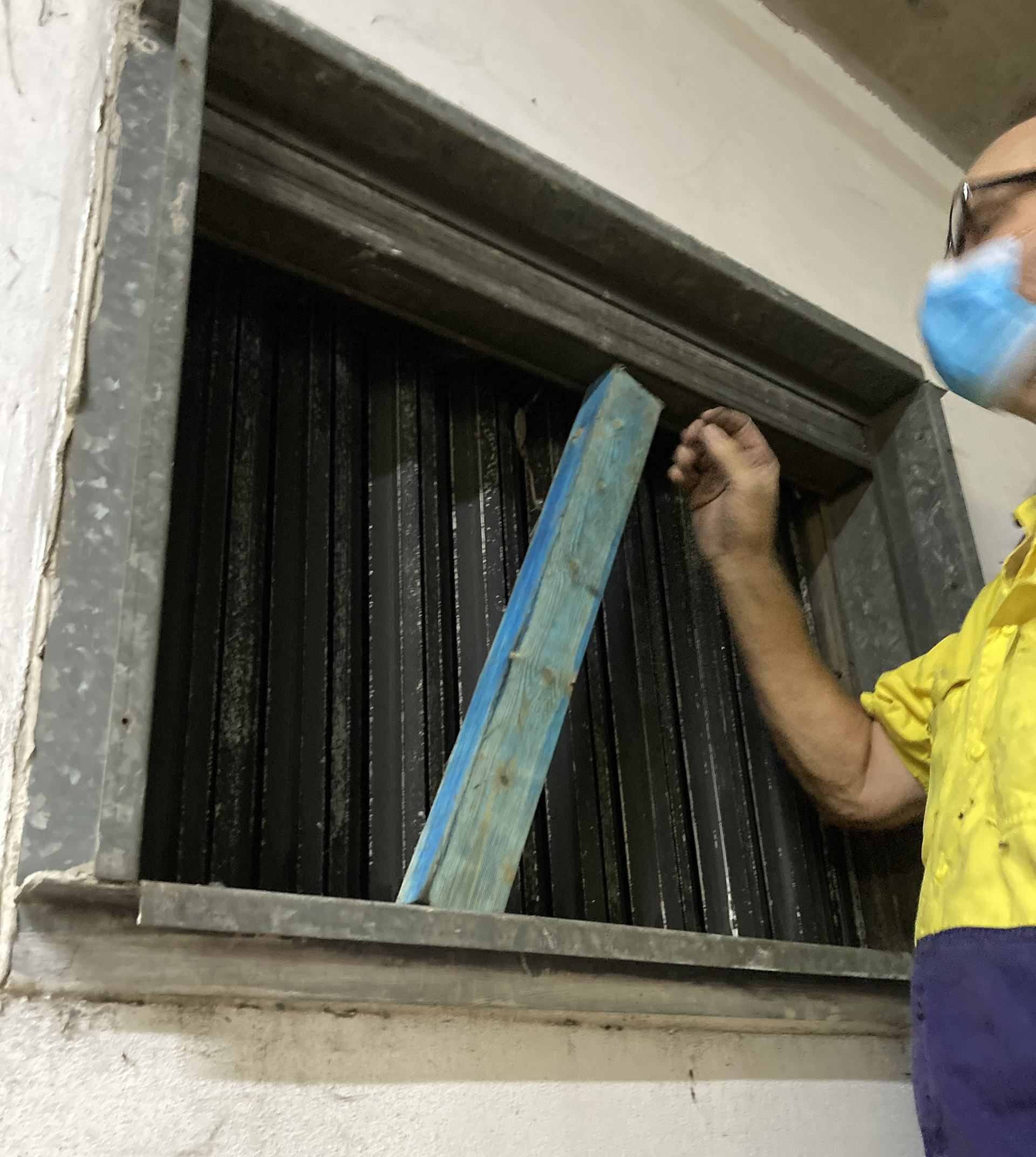
Every scheduled maintenance visit provides an opportunity to learn more about the building.
A competent technician does more than replace filters or inspect belts. They observe how equipment is operating, identify developing faults, recognise changes in performance and gather information that can improve future decision-making.
When this information is captured, reviewed and acted upon, preventative maintenance becomes far more than a compliance exercise. It becomes a continuous process of improving building performance.
Performance Facility Management coordinates preventative maintenance programs that focus on reliability, operational efficiency and long-term asset management. By reviewing maintenance reports, recurring defects, equipment condition and contractor recommendations, we help building owners and property managers understand not only what maintenance has been completed, but what it means for the future of the building.
Over time, this knowledge supports more accurate maintenance budgets, better capital planning, fewer unexpected breakdowns and more informed investment decisions.
Preventative maintenance is not simply about servicing equipment—it is about building a history of knowledge that helps commercial buildings perform better every year.
“Every maintenance visit is an inspection. Every inspection generates information. Every piece of information helps make better building decisions.”
Reactive Maintenance
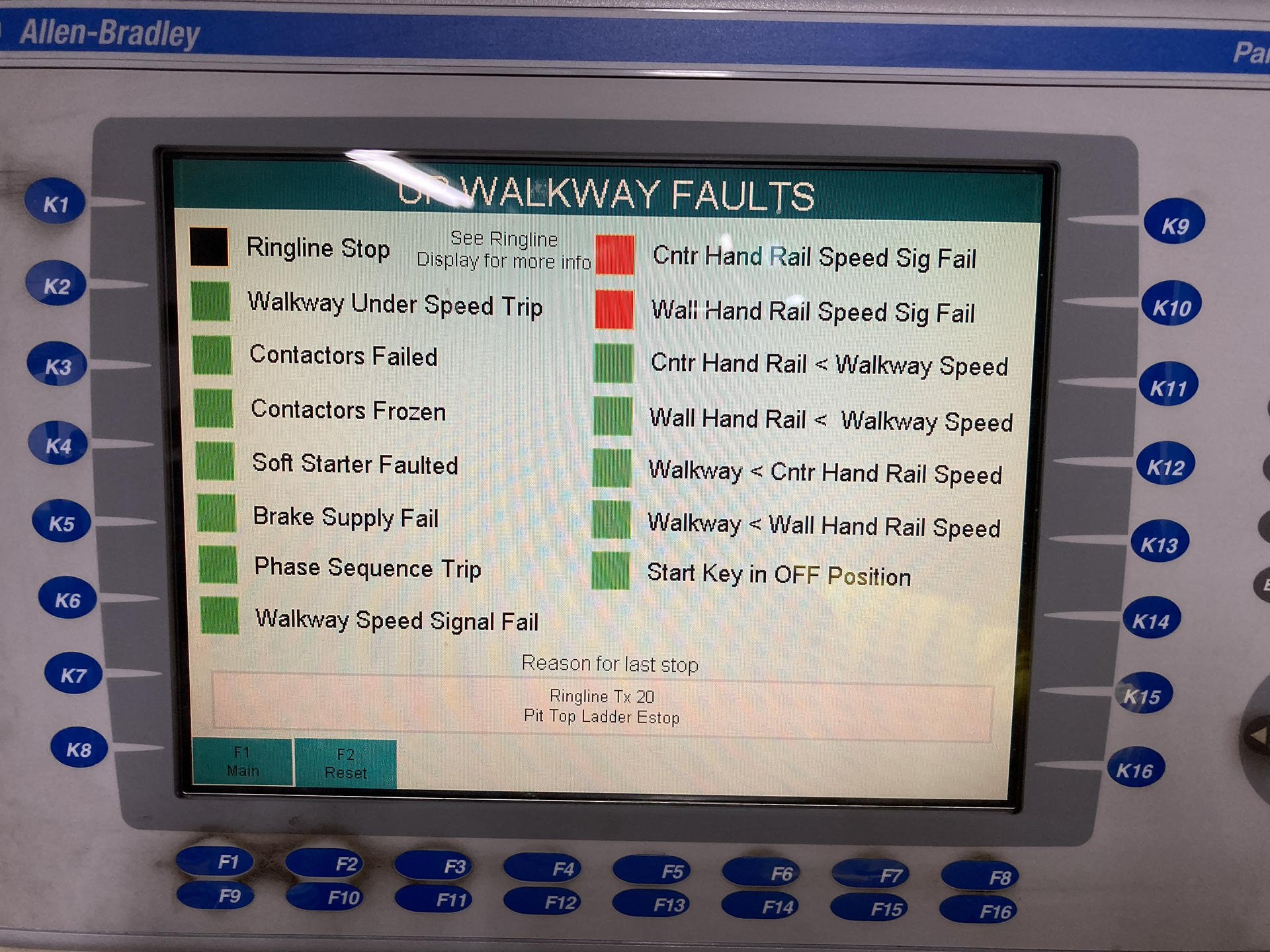
Despite the most comprehensive preventative maintenance program, unexpected equipment failures and building incidents can still occur. When they do, a prompt, coordinated and well-managed response is essential to minimise disruption, protect occupants and restore normal building operations.
Performance Facility Management provides reactive maintenance management for unplanned faults and emergency situations, coordinating the appropriate contractors and maintaining communication with building owners, property managers and occupants throughout the incident.
Our reactive maintenance services include:
- Receiving and managing fault notifications.
- Assessing the urgency and potential impact of the incident.
- Coordinating the appropriate maintenance contractors.
- Managing site access and security requirements.
- Monitoring repair progress and communicating updates.
- Reviewing repair recommendations and quotations where required.
- Tracking recurring faults to identify long-term corrective actions.
After-Hours Emergency Support
Commercial buildings operate well beyond standard business hours, and many critical building services require immediate attention when faults occur.
Where included within the maintenance agreement, Performance Facility Management provides after-hours incident coordination to ensure building issues are managed promptly and professionally. Depending on the nature and severity of the incident, we may coordinate contractors remotely or attend site to assist with the management of the event, support decision-making and help ensure the continued safety of occupants, tenants, contractors and members of the public.
After-hours support is particularly important for essential and critical building services, including:
- Fire protection and life safety systems.
- Electrical services and power failures.
- HVAC and mechanical services.
- Passenger and goods lifts.
- Building Management Systems (BMS).
- Water supply and hydraulic services.
- Security and access control systems.
Effective reactive maintenance begins long before an emergency occurs. Contractor agreements should clearly define emergency response procedures, after-hours contact arrangements, expected response times, escalation processes and communication responsibilities. Establishing these requirements in advance helps ensure contractors respond consistently and that building owners receive the level of service expected during critical incidents.
Our objective is not simply to arrange emergency repairs. It is to manage incidents professionally, restore building operations as quickly as practicable and ensure every response supports the ongoing safety, reliability and performance of the building.
Contractor Management
Successful HVAC maintenance depends on more than the technical ability of the contractor. It requires clear communication, defined expectations, effective governance and ongoing oversight to ensure works are completed safely, professionally and in the best interests of the building owner.
Performance Facility Management provides independent contractor management throughout the maintenance process, helping clients achieve consistent outcomes while reducing operational and compliance risks.
Our contractor management process may include:
Contractor Selection
Where appropriate, we assist clients in selecting contractors based on their technical capability, commercial suitability, industry experience and ability to deliver the required level of service—not simply the lowest price.
Scope of Works and Quotations
Clear scopes of work help ensure contractors are pricing the same requirements and that quotations can be compared fairly.
Where significant expenditure is involved, we can assist in preparing a business case, obtaining competitive quotations, reviewing proposed methodologies and making recommendations that support informed decision-making.
Contractor Compliance
Before works commence, we help verify that contractors meet the required compliance obligations, including:
- Appropriate trade licences and registrations.
- Current public liability and workers compensation insurance.
- Relevant industry certifications and competencies.
- Safe Work Method Statements (SWMS), where applicable.
- Job Safety Analyses (JSA) or equivalent risk assessments.
- Environmental and waste management requirements.
- Manufacturer approvals where specialist equipment is involved.
Site Access and Safety
Commercial buildings often operate with tenants, visitors and critical business activities continuing throughout the day.
We assist with coordinating:
- Site inductions.
- Building-specific house rules.
- Access permits and security requirements.
- After-hours work arrangements.
- Isolation procedures where required.
- Communication with building occupants and stakeholders.
- Site behavioural expectations and professional standards.
This helps ensure maintenance activities are completed with minimal disruption while maintaining a safe and professional working environment.
Quality Assurance
Effective contractor management does not end when the work is completed.
We assist by reviewing completed works, monitoring contractor performance, confirming that agreed scopes have been delivered and identifying recurring issues that may require further investigation or long-term corrective action.
Where appropriate, we also review maintenance reports and recommendations to help ensure proposed works are technically appropriate, commercially reasonable and aligned with the long-term interests of the building.
Building Long-Term Contractor Relationships
The best maintenance outcomes are achieved through long-term relationships with competent contractors who understand the building, communicate openly and consistently deliver high-quality work.
Performance Facility Management encourages collaborative relationships built on accountability, professionalism and continuous improvement. Our objective is not simply to manage contractors, but to help create maintenance partnerships that deliver better outcomes for building owners, property managers and occupants alike.
Good contractor management is about far more than scheduling maintenance visits. It is about selecting the right contractor, defining the work clearly, managing safety and compliance, maintaining professional standards, reviewing performance and ensuring every maintenance activity contributes to the long-term performance of the building.
Asset Lifecycle Management
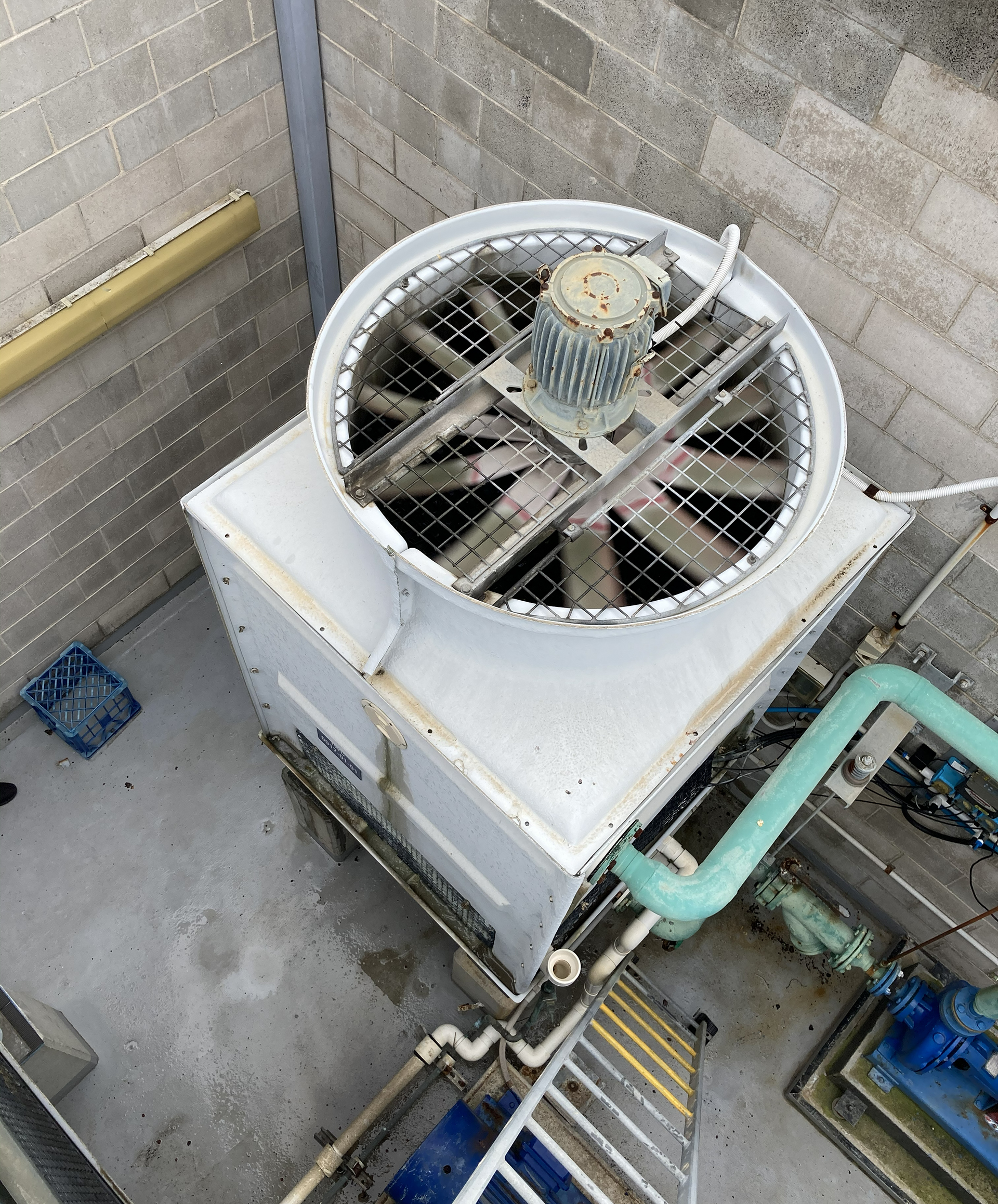
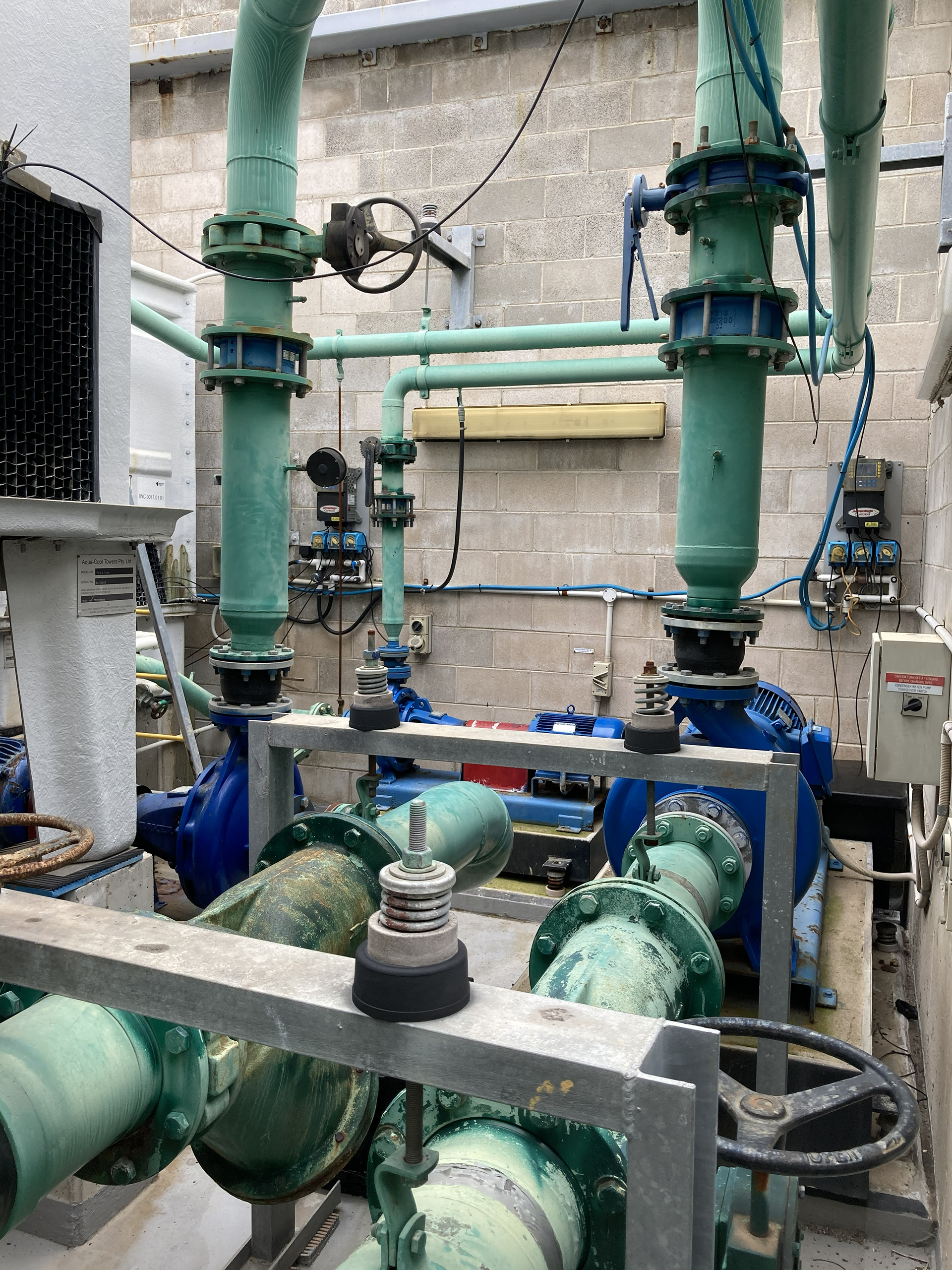
Every HVAC system has a finite operational life.
Understanding the age, condition and expected remaining life of each asset allows building owners to make informed financial decisions rather than reacting to unexpected failures.
Our lifecycle management process assists clients with:
- Asset registers
- Equipment condition assessments
- Maintenance history
- Risk identification
- Replacement forecasting
- Capital expenditure planning
- Budget development
This allows replacement programs to be planned years in advance rather than during an emergency.
HVAC and Fire Systems
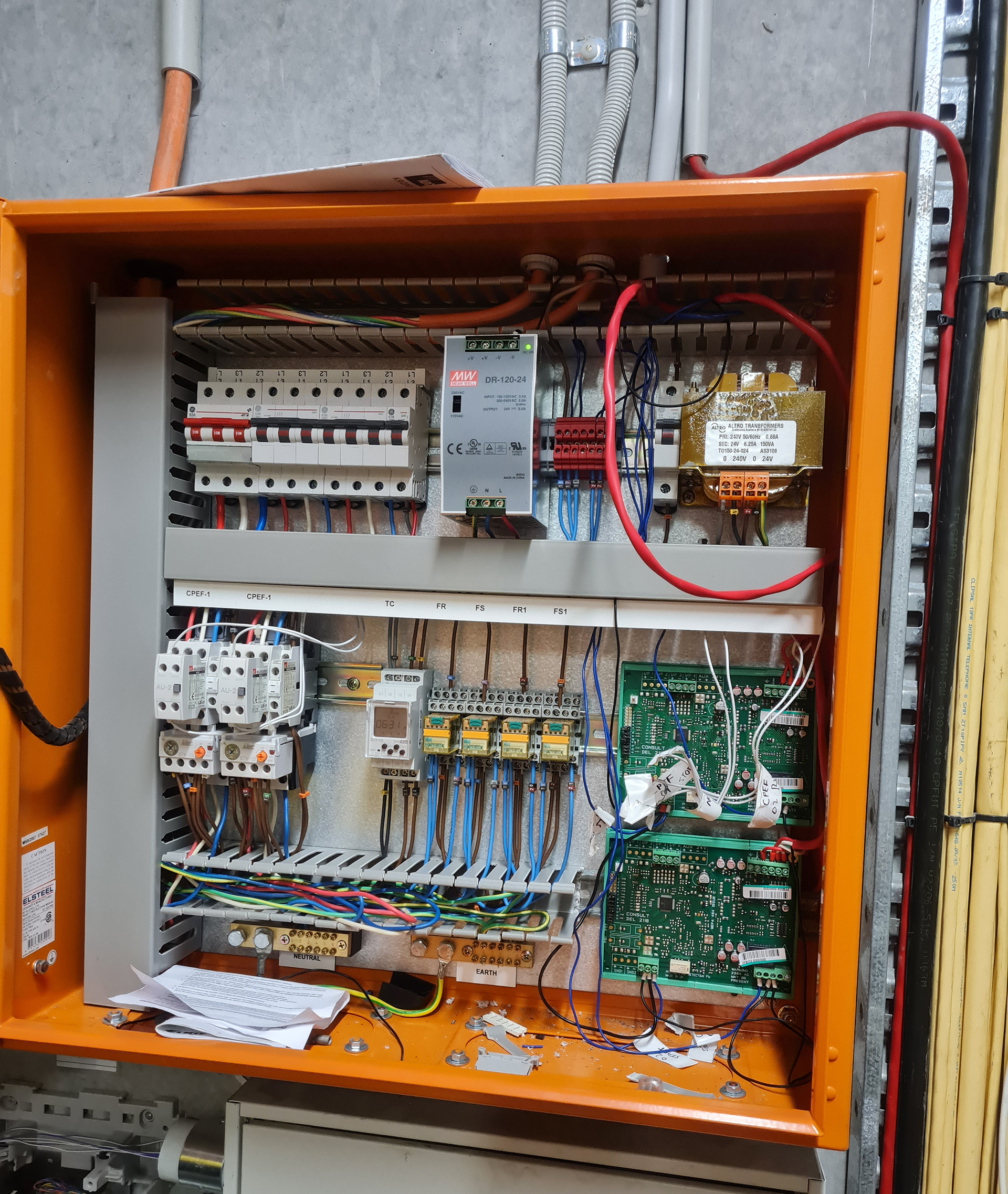
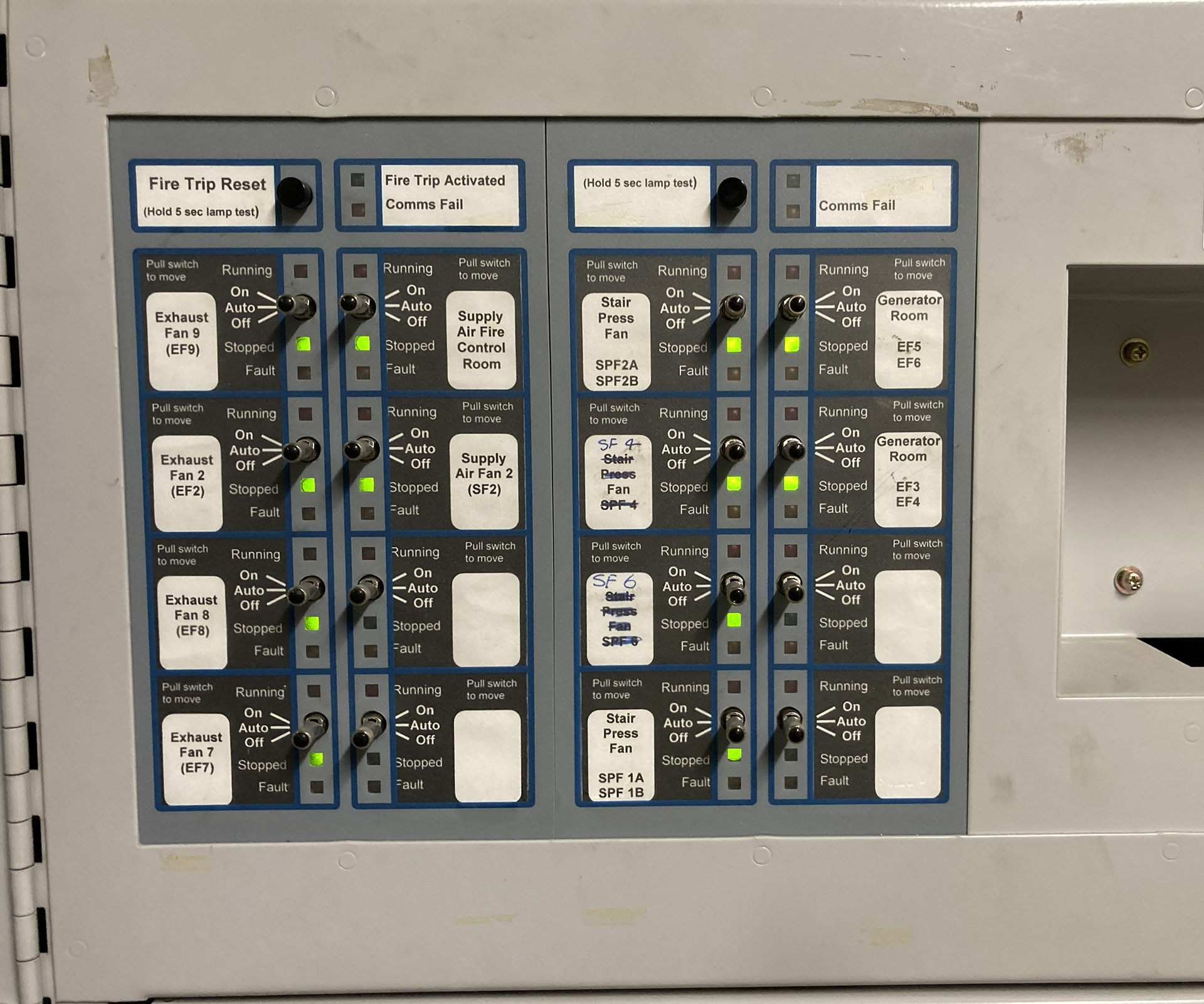
This image shows the mechanical services interface panel connected to a commercial building Fire Indication Panel (FIP). The panel provides manual control and status indication for HVAC supply air fans, exhaust fans and stair pressurisation fans that form part of the building’s smoke hazard management system.
During a fire event, the Fire Indication Panel communicates with the Building Management System (BMS) and mechanical services controls to automatically stop or start selected fans, pressurise fire escape stairs and remove smoke from designated areas.
Routine inspection, testing and preventative maintenance of these interfaces are essential to ensure compliance, occupant safety and reliable operation during an emergency.
Improving Building Performance
Commercial HVAC maintenance should achieve far more than simply keeping heating and cooling equipment operational.
HVAC systems are typically the largest consumers of energy within a commercial building and have a direct influence on occupant comfort, indoor air quality, equipment reliability and the performance of many other building services. As buildings become more energy conscious and environmentally responsible, the quality of HVAC maintenance plays an increasingly important role in achieving operational and sustainability objectives.
Every maintenance visit is an opportunity to better understand how the building is performing.
Recurring faults, excessive energy consumption, occupant comfort complaints, abnormal operating hours and deteriorating equipment condition all provide valuable information. When this information is recorded, analysed and acted upon, maintenance becomes far more than a scheduled service—it becomes a valuable building management tool.
Performance Facility Management works with building owners, property managers and facilities teams to ensure maintenance activities generate meaningful operational data that supports better decision-making. By reviewing maintenance trends over time, we help identify opportunities to:
- Improve occupant comfort and tenant satisfaction.
- Reduce energy consumption through more efficient system operation.
- Extend the service life of mechanical plant and equipment.
- Reduce reactive maintenance and emergency repair costs.
- Improve the performance of Building Management Systems (BMS).
- Support higher NABERS Energy ratings through improved operational efficiency.
- Assist with maintenance budgeting and long-term capital planning.
- Improve the overall reliability and resilience of building services.
Well-maintained HVAC systems also contribute to broader Environmental, Social and Governance (ESG) objectives by reducing energy waste, lowering greenhouse gas emissions and supporting more sustainable building operations.
Our philosophy is simple: maintenance should create knowledge as well as reliability. The information gathered today supports better operational decisions tomorrow, helping commercial buildings become more efficient, more sustainable and more valuable throughout their lifecycle.

Supporting Building Owners, Property Managers and Facilities Teams
Every commercial building has people responsible for making decisions, managing contractors, controlling budgets and keeping occupants comfortable. We work alongside those responsible for building performance, providing independent HVAC maintenance management that supports informed decision-making and better operational outcomes.
Whether you own a single commercial property, manage a large portfolio or oversee the day-to-day operation of complex facilities, we help ensure your HVAC assets are maintained professionally, contractors remain accountable and maintenance programs continue to deliver value throughout the life of the building.
Our clients include:
Why Performance Facility Management?
Commercial HVAC maintenance is about far more than servicing air-conditioning equipment.
Every HVAC system interacts with other critical building services, including electrical infrastructure, Building Management Systems (BMS), fire systems, energy management, tenant operations and building compliance. Decisions made by one contractor can often affect the performance of several other systems.
That is why effective HVAC maintenance requires independent oversight, technical understanding and long-term planning—not simply scheduling service visits.
Performance Facility Management acts as your representative, coordinating maintenance activities, reviewing contractor recommendations and helping ensure decisions are made in the best interests of the building rather than the individual service provider.
Our approach focuses on:
- Protecting the long-term value of your HVAC assets.
- Improving system reliability and reducing unexpected failures.
- Supporting informed maintenance and capital investment decisions.
- Managing contractors with clear accountability.
- Identifying opportunities to improve efficiency and reduce operating costs.
- Providing independent advice based on the needs of the building.
Most importantly, we understand that commercial buildings operate as integrated systems. Looking after the HVAC plant in isolation rarely delivers the best outcome. By considering the interaction between mechanical services, electrical infrastructure, controls, compliance and building operations, we help clients achieve better long-term performance across the entire property.
Our objective is simple: to help building owners and property managers make better decisions that improve reliability, extend asset life and protect the long-term performance of their buildings.