
Commercial Property Asset Registers
Comprehensive Asset Register Services for Commercial Buildings
A comprehensive asset register is fundamental to the effective management of any commercial property investment.
Performance Facility Management provides commercial property asset register services for buildings ranging from 100m² suburban offices through to major commercial, retail, healthcare and mixed-use developments exceeding 50,000m².
Unlike many asset register providers, our team comes from technical facility management, mechanical services, electrical services, building automation and building operations backgrounds. We physically inspect assets, access plant rooms, review switchboards, inspect control systems and verify equipment in the field wherever practical.
This approach provides a far more accurate outcome than relying solely on drawings, historical records or desktop assessments, which are often incomplete or outdated.
A reliable asset register provides building owners, asset managers, facility managers and property managers with a clear understanding of the assets installed within a building, their condition, location and importance to ongoing operations.
Without an accurate asset register, it becomes difficult to:
- Plan maintenance activities
- Forecast future capital expenditure
- Manage compliance obligations
- Reduce operational risks
- Coordinate contractors
- Assess asset lifecycle requirements
- Support acquisitions and due diligence activities
- Improve overall building performance
Our asset registers are designed to become practical management tools that support a building throughout its lifecycle.
Why Our Asset Registers Are Different
Many asset registers are prepared from existing documentation, maintenance records and historical drawings.
While this information can be useful, it often perpetuates errors, omissions and assumptions that may have existed for many years.
Performance Facility Management takes a practical field-based approach.
Our team physically attends site and, where safe and accessible, will:
- Inspect plant rooms
- Review mechanical services equipment
- Open switchboards and control panels
- Verify building automation systems
- Inspect fire system infrastructure
- Review hydraulic services assets
- Verify security and access control systems
- Capture equipment photographs
- Confirm equipment locations
The result is an asset register based upon what is actually installed, rather than what someone believes may be installed.


Experience Across Multiple Property Types
We have delivered asset registers across a broad range of commercial property sectors, including:
- Regional shopping centres
- Commercial office towers
- Mixed-use developments
- Residential apartment towers
- Private hospitals
- Medical centres
- Hotels and hospitality venues
- Aged care facilities
- Warehouses and industrial facilities
- Educational facilities
- Government buildings
Examples of projects completed include:
- Large suburban shopping centres
- Private hospitals
- Medical centres
- 384-room CBD hotels
- 202-room hotels
- 34-level residential towers with retail and basement car parking
- Multi-building residential and mixed-use precincts
- Commercial office towers exceeding 9,000m²
- Large aged care facilities with associated medical centres and community buildings
Example reports are available upon request.

Software Compatibility
We typically provide our asset registers in Microsoft Excel format.
The spreadsheet can be structured for direct import into many asset management and facility management software platforms.
Simply provide your required import format and data fields, and we will structure the spreadsheet accordingly wherever practical.
We remain independent of software providers and focus on delivering a clean, practical dataset that integrates with your chosen asset management platform.
Why an Asset Register Matters
Commercial properties often undergo numerous refurbishments, tenancy changes, contractor transitions and ownership changes throughout their lifecycle.
Over time, valuable information is lost, assets are replaced without documentation and building records become fragmented.
A well-maintained asset register can significantly improve building management and may add value during acquisitions by demonstrating a proactive approach to maintenance, compliance and asset stewardship.
Benefits include:
- Improved maintenance planning
- Better contractor management
- Reduced operational risk
- More accurate capital expenditure forecasting
- Improved compliance management
- Improved asset visibility
- Better handover between management teams
- Enhanced building performance reporting
- Greater confidence during acquisitions and due diligence reviews
Whether managing a single building or an extensive property portfolio, an accurate asset register becomes the foundation of informed decision-making.

Fire Protection Systems and Compliance
The Grenfell Tower disaster in London fundamentally changed how governments, regulators, building owners and facility managers view fire safety accountability.
In Australia, increasing focus on fire safety compliance has resulted in greater emphasis on documented maintenance records, asset identification and ongoing accountability.
The introduction of mandatory maintenance requirements based on AS 1851 has significantly increased the need for documented baseline information regarding fire protection assets.
To effectively maintain fire systems, service providers need to understand:
- What assets exist
- Where assets are located
- Equipment types and models
- Installation details
- Maintenance requirements
- Historical service records
- Critical testing requirements
Without accurate baseline information, demonstrating compliance can become significantly more difficult.
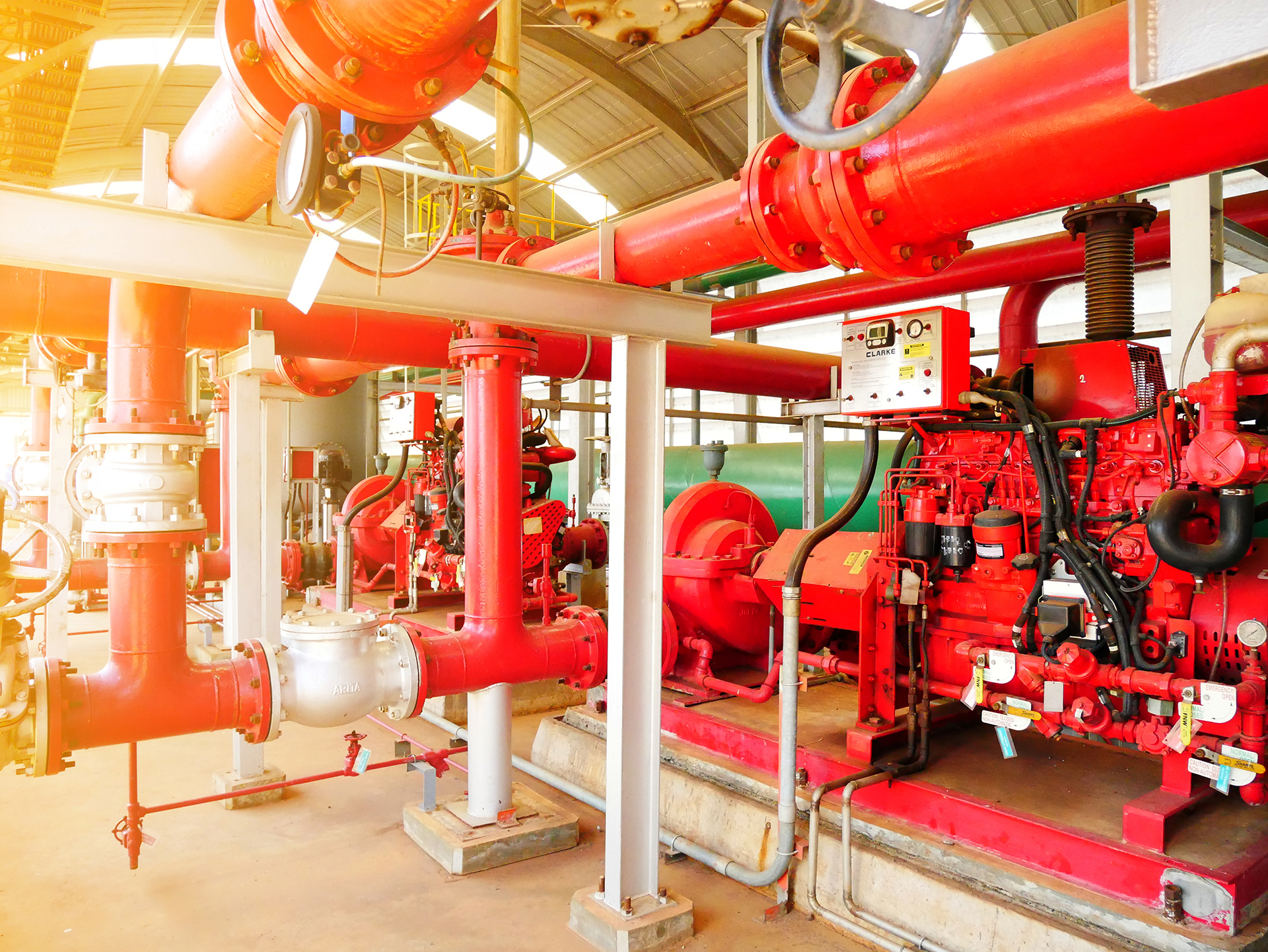
While Performance Facility Management does not perform fire system maintenance or certification services, we can provide a detailed fire asset register that forms the foundation of future maintenance and compliance programs.
Typical fire system assets recorded may include:
| Asset Type | Typical Information Captured |
|---|---|
| Fire Pumps | Capacity, duty, manufacturer, controller details |
| Fire Indicator Panels | Manufacturer, model, software version |
| Smoke Exhaust Fans | Location, motor size, airflow, switchboard reference |
| Hydrants | Location and asset information |
| Fire Dampers | Location, size and identification |
| Exit Lights | Location and type |
| Extinguishers | Type, size and location |
| EWIS Equipment | System and field device information |

Asset Lifecycle Planning
An asset register is more than a list of equipment.
It forms the foundation of long-term asset lifecycle planning.
Once major plant and equipment have been identified and documented, building owners can begin forecasting future replacement costs, estimating remaining useful life and planning future capital works programs.
This allows organisations to move from reactive maintenance towards proactive asset management strategies.
For many property owners, the asset register becomes the first step towards developing a meaningful capital expenditure forecast.

Suitable Building Types
Our asset register services are suitable for:
- Commercial office buildings
- Retail centres
- Shopping centres
- Industrial facilities
- Warehouses
- Strata developments
- Mixed-use developments
- Educational facilities
- Healthcare facilities
- Hotels
- Government facilities
- Clubs and hospitality venues
- Aged care facilities
Projects range from small suburban buildings through to major CBD assets.
Disciplines Covered
Our asset register audits typically investigate:
- HVAC and Mechanical Services
- General Electrical Systems
- Mechanical Electrical Systems
- Building Management Systems (BMS)
- Building Automation Systems
- Fire Protection Systems
- Auto Doors and Garage Doors
- Hydraulic Services
- Security Systems
- Access Control Systems
Where practical, photographs are incorporated into the asset register to assist future maintenance personnel, contractors and building managers in identifying equipment.

Typical Asset Information Captured
Depending upon accessibility and available documentation, we may record:
- Compliance-related notes
- Asset description
- Asset category
- Asset identification number
- Equipment location
- Manufacturer
- Model number
- Serial number
- Capacity or duty information
- Installation date
- Asset condition
- Criticality rating
- Asset photographs
- Maintenance observations
Mechanical Services Assets
Mechanical services frequently represent one of the largest capital investments within a commercial building.
Typical assets recorded include:
- Chillers
- Cooling towers
- Boilers
- Air handling units
- Fan coil units
- Package units
- Split systems
- Condenser water pumps
- Chilled water pumps
- Boiler pumps
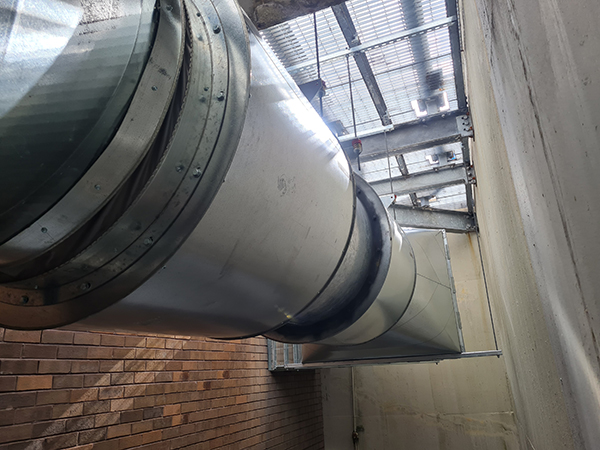
- Toilet exhaust systems
- General exhaust systems
- Garbage room exhaust systems
- Car park ventilation systems
- Carbon monoxide monitoring systems
- Stair pressurisation systems
- Smoke spill systems
- Electric duct heaters
- Dampers and actuators
- Building Management System interfaces
Where practical, model numbers, serial numbers, equipment locations and photographs are captured.
We will also note obvious maintenance concerns such as:
- Dirty filters
- Worn drive belts
- Excessive noise
- Damaged ductwork
- Corrosion
- Water leaks
- General plant condition
This is not a substitute for a comprehensive condition assessment, but it can provide valuable insight into the overall condition of the asset base.
Electrical Services Assets
Electrical infrastructure forms a critical component of commercial building operations.
Assets commonly recorded include:
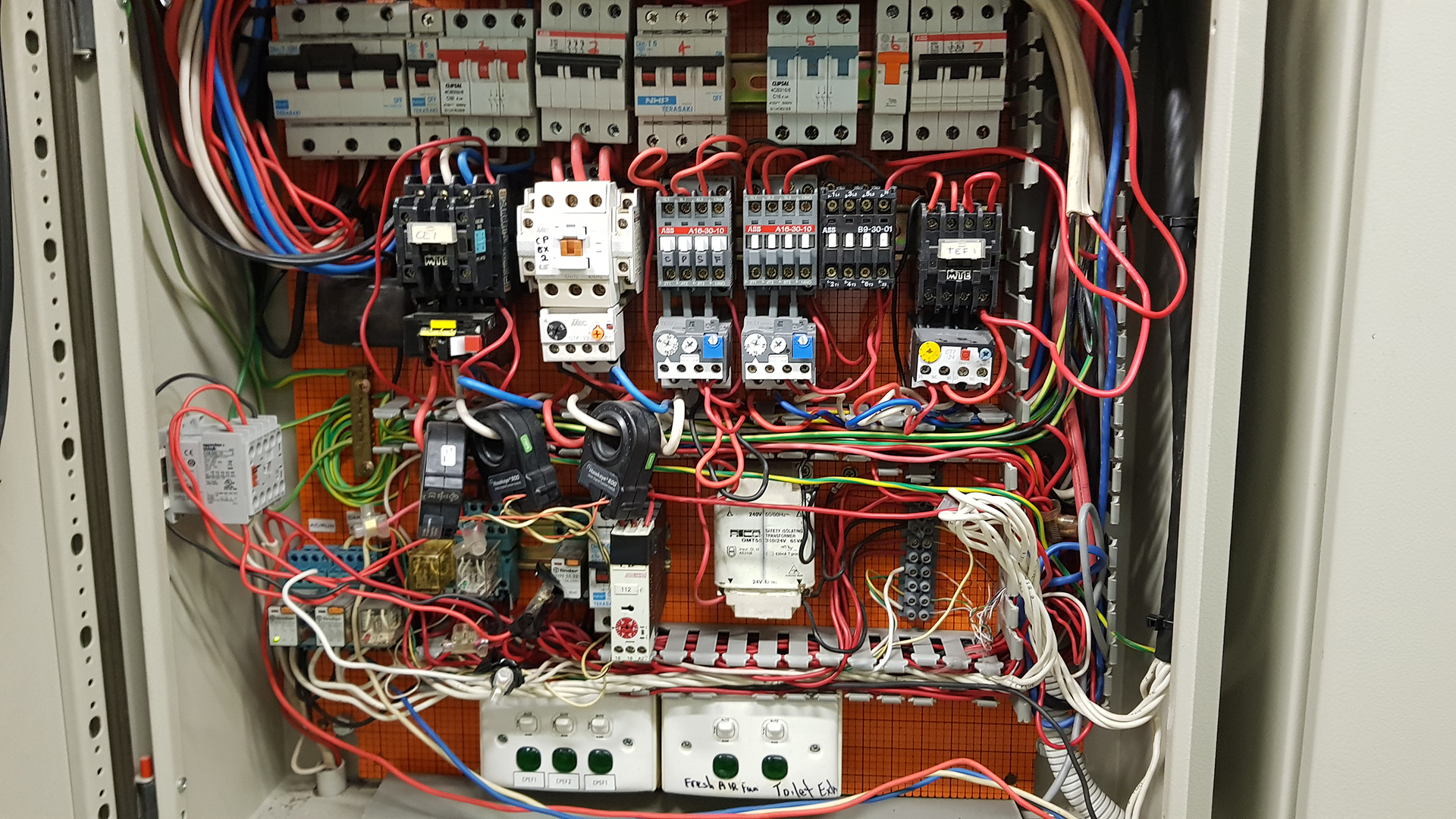
- Main switchboards
- Distribution switchboards
- Mechanical services switchboards
- Control panels
- Emergency lighting systems
- Metering systems
- Electrical sub-metering
- Common area lighting systems
- Building automation interfaces
Rather than documenting every individual power outlet or light switch, we focus on assets that provide meaningful operational and lifecycle value.
Where requested, the asset register can also form the basis of future single-line diagram development and electrical infrastructure mapping.
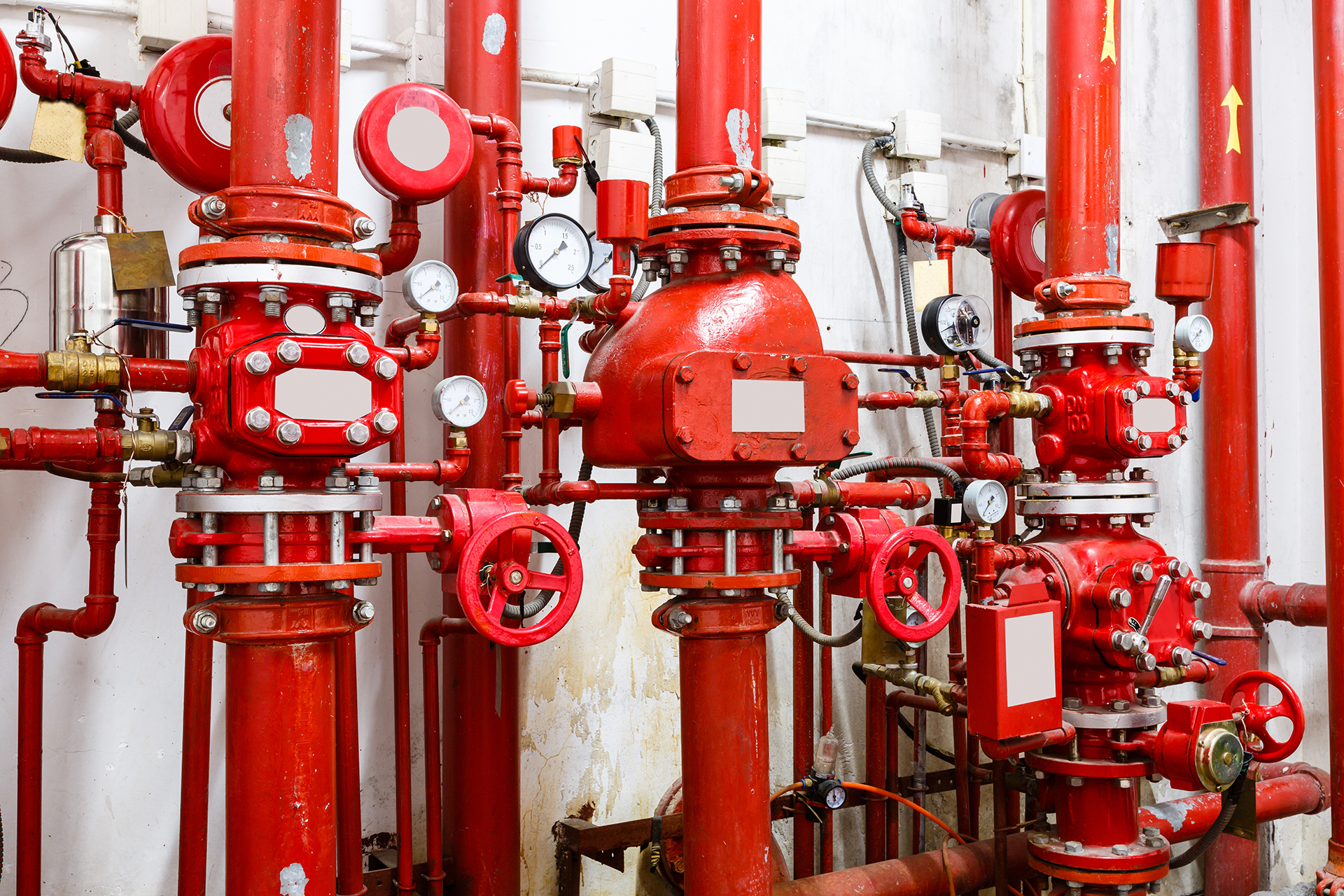
Fire Protection Assets
Typical fire system assets may include:
- Associated field devices
- Fire indicator panels
- EWIS systems
- Fire hose reels
- Fire hydrants
- Fire extinguishers
- Fire blankets
- Smoke detectors
- Thermal detectors
- Fire pumps
- Diesel pumps
- Electric pumps
- Fire system network equipment
- Fire safety schedule assets
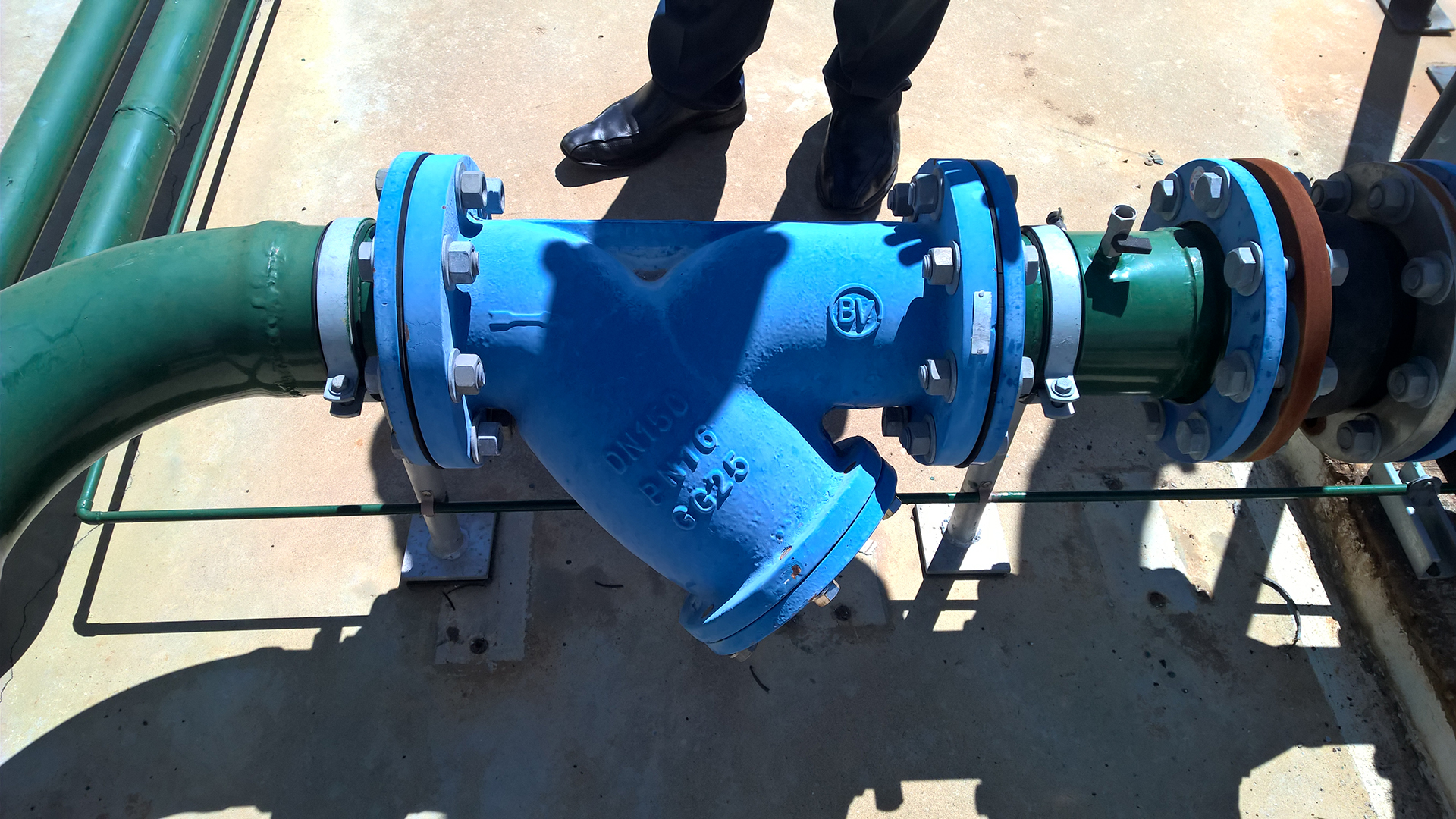
Hydraulic Services Assets
Hydraulic systems commonly recorded include:
- Major pipework systems
- Town water pumps
- Pressure systems
- Storage tanks
- Pressure vessels
- Irrigation systems
- Toilet facilities
- Shower facilities
- Accessible hydraulic infrastructure

Security and Access Control Assets
Security systems continue to play an increasingly important role in modern building operations.
Assets commonly recorded include:
- Associated field equipment
- Access control systems
- Security controllers
- Card readers
- Security workstations
- CCTV systems
- Network video recorders
- Electronic locking systems
- Security software platforms
- Security servers

Practical Asset Management Approach
The objective of an asset register is not to create the longest possible list of equipment.
The objective is to create a useful management tool.
We apply practical judgement when determining which assets should be included.
For example, documenting every door handle, power outlet or light switch rarely provides meaningful long-term value.
Conversely, equipment that represents significant maintenance, operational, compliance or replacement costs should generally be included.
Factors considered include:
- Asset criticality
- Replacement value
- Compliance obligations
- Maintenance requirements
- Operational importance
- Future capital expenditure implications
Where uncertainty exists, we generally adopt a conservative approach and include the asset.

Deliverables
Our asset register deliverables typically include:
Microsoft Excel Asset Register
A structured spreadsheet containing:
- Asset description
- Asset category
- Building location
- Manufacturer
- Model number
- Serial number
- Estimated installation date
- Asset condition
- Criticality rating
- Photographs
- Notes and observations
Building Audit Observations
While undertaking the asset survey, our team may identify issues that fall outside the formal scope of works.
Examples include:
- Missing emergency lighting
- Fire safety deficiencies
- Water damage
- Workplace health and safety concerns
- Plant room housekeeping issues
- Access concerns
- Maintenance deficiencies
Where appropriate, these observations will be separately identified for management consideration.
Important Exclusions
Unless specifically requested:
- Asset management software implementation is excluded
- Specialist engineering assessments are excluded
- Structural inspections are excluded
- Third-party consultant reports are excluded
- Lift and elevator asset registers are generally excluded, as these are typically managed under specialist maintenance contracts
Where required, we can coordinate with lift service providers to incorporate elevator asset information into a consolidated site-wide asset register.

Asset Registers That Support Better Building Decisions
A quality asset register is far more than a spreadsheet.
It is a practical management tool that supports maintenance planning, compliance management, contractor coordination, capital forecasting and long-term building performance.
Whether your building is a 500m² suburban office, a 20,000m² shopping centre or a multi-tower mixed-use development, Performance Facility Management can provide a practical, field-verified asset register that supports informed decision-making throughout the asset lifecycle.