Asset Lifecycle Control for Commercial Buildings
Commercial buildings are becoming increasingly complex to manage. Ageing infrastructure, rising contractor costs, compliance obligations, energy pressures, tenant expectations, and ongoing operational risk all place significant pressure on facility managers, property managers, and building owners.
Without structured asset lifecycle control, many buildings gradually become reactive environments where maintenance costs rise, equipment reliability declines, and long-term capital planning becomes increasingly difficult.
At Performance Facility Management, we help commercial property stakeholders establish clearer visibility across the fixed assets operating within their buildings through engineering-led building audits, lifecycle planning, operational reviews, and live fixed asset management strategies.
Our approach combines technical building systems knowledge with practical facility management thinking — helping clients better understand the condition, performance, operational risks, and future capital requirements of their building infrastructure.

What Is Asset Lifecycle Control?
In the commercial property environment, the term “asset” can often refer to the building itself or the overall investment portfolio.
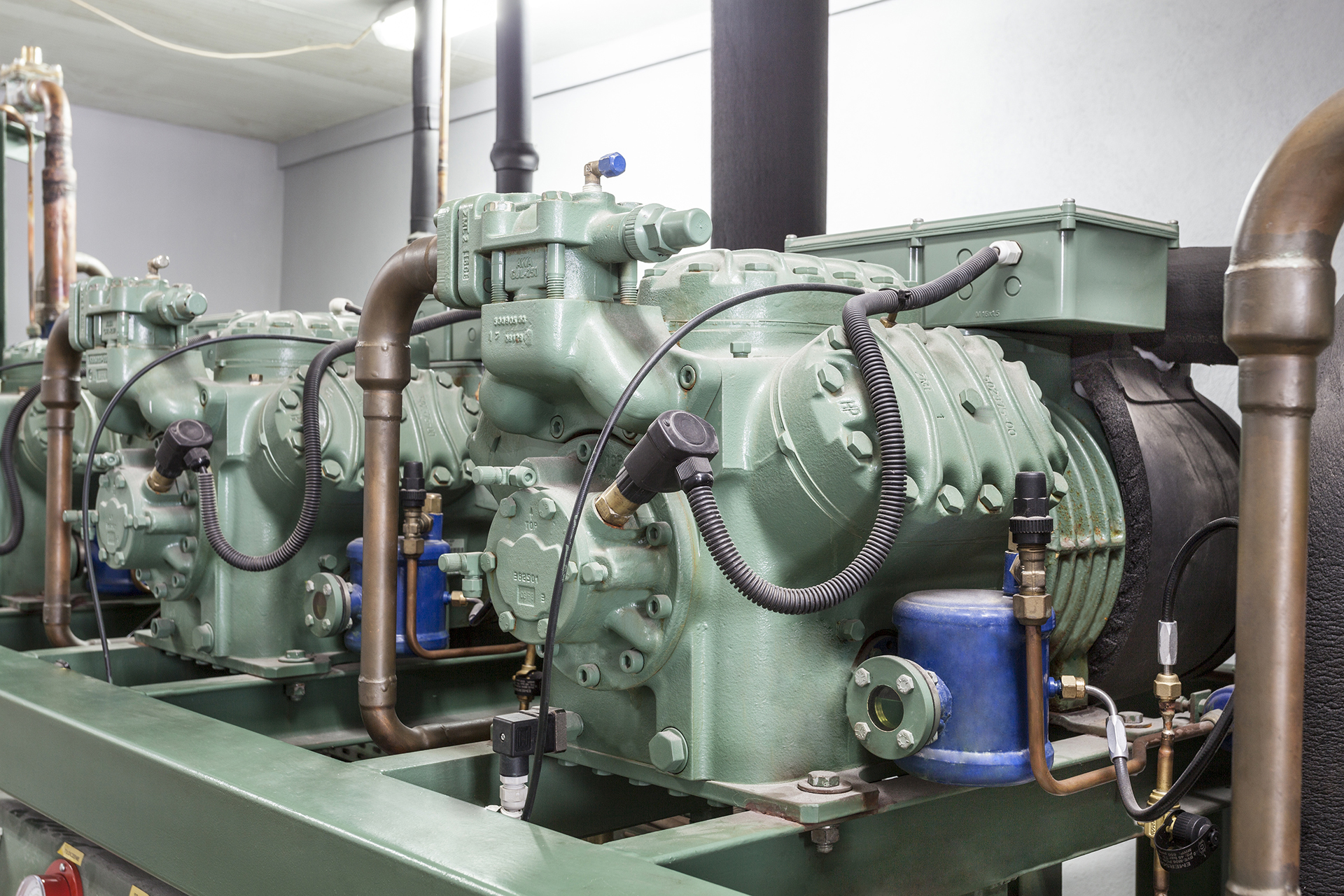
Operationally however, the real day-to-day challenges usually relate to the fixed assets operating within the building — the physical infrastructure responsible for keeping the facility functional, compliant, safe, and comfortable for occupants.
These fixed assets commonly include:
- chillers and boilers
- cooling towers
- air handling units
- Building Management Systems (BMS)
- electrical switchboards
- pumps and variable speed drives
- fire and smoke control systems
- car park ventilation systems
- generators and emergency systems
- lifts and vertical transport systems
- energy metering infrastructure
- pneumatic and legacy control systems
Asset lifecycle control is the structured process of understanding:
- what fixed assets exist
- where they are located
- their operational condition
- remaining useful life
- maintenance history
- obsolescence risks
- operational criticality
- future replacement requirements
For many ageing commercial buildings across Sydney, Melbourne, and Canberra, this visibility is either incomplete, outdated, or fragmented across multiple contractors and systems.

Why Asset Lifecycle Control Matters
Many commercial buildings continue operating with infrastructure that is well beyond its intended design life.
While older systems may still appear operational, the hidden risks can steadily increase over time:
- spare parts become difficult to source
- manufacturer support disappears
- maintenance costs increase
- controls become unstable
- energy efficiency declines
- contractor dependency on legacy knowledge increases
- compliance risks grow
- system integration becomes increasingly difficult
Without proper lifecycle visibility, buildings often fall into reactive maintenance patterns where major expenditure only occurs after critical failures.
This commonly results in:
- emergency breakdown replacements
- tenant disruption
- after-hours contractor costs
- temporary plant hire
- operational downtime
- budgeting uncertainty
- pressure on onsite building management
- increased ownership risk
A structured lifecycle planning strategy helps stakeholders move away from reactive infrastructure management and toward more informed long-term operational planning.
The Importance of the Fixed Asset Register
One of the most overlooked operational tools within commercial buildings is the fixed asset register.
In many properties, the asset register is initially created during construction, handover, or a due diligence process — then gradually becomes outdated and disconnected from actual building operations.
We believe the fixed asset register should become a live operational document that evolves alongside the building.
When maintained properly by building managers, contractors, engineering staff, or facility management teams, a live fixed asset register can significantly improve operational visibility for:
- facility managers
- property managers
- strata managers
- landlords
- portfolio managers
- acquisition teams
A properly maintained register helps stakeholders quickly understand:
- what equipment exists
- equipment locations
- manufacturer details
- asset age
- maintenance history
- service contractor information
- warranty status
- operational criticality
- expected replacement timelines
- obsolescence exposure
For larger commercial buildings and mixed-use facilities throughout Sydney and Melbourne especially, where contractor turnover and portfolio complexity can become significant, maintaining accurate fixed asset information can dramatically reduce operational inefficiencies.
In many buildings, critical operational knowledge often remains trapped:
- inside contractor reports
- within maintenance software
- in spreadsheets
- in emails
- or simply in the experience of long-term site personnel
Formalising this information into a structured lifecycle management process creates substantial operational and financial benefits.

Building Audits & Lifecycle Reviews
Our lifecycle control approach commonly begins with a detailed building infrastructure review or technical building audit.
These reviews are designed to help identify:
- ageing infrastructure
- operational risks
- unsupported systems
- poor maintenance practices
- compliance exposure
- energy inefficiencies
- contractor dependency risks
- future capital expenditure requirements
Unlike generic high-level audits, our reviews are heavily grounded in practical building systems knowledge.
We understand how HVAC systems, BMS platforms, electrical infrastructure, ventilation systems, and building controls actually operate in real commercial environments.
This technical understanding allows us to identify risks that may not always be visible through administrative reporting alone.
Examples include:
- inadequate alarm monitoring strategies
- obsolete BMS controllers with limited spare parts availability
- chillers operating on phased-out refrigerants
- unstable pneumatic control systems
- poorly integrated HVAC controls
- unsupported proprietary systems
- energy inefficiencies caused by incorrect control sequences
- ageing switchboard infrastructure

Supporting Better Capital Planning
One of the most valuable outcomes of lifecycle control is improved long-term capital expenditure forecasting.
Through structured fixed asset planning, stakeholders can better understand:
- remaining useful equipment life
- operational reliability
- maintenance burden
- energy performance
- vendor dependency risks
- replacement urgency
- future upgrade requirements
This information supports:
- 5-year and 10-year capital works planning
- sinking fund forecasting
- staged upgrade strategies
- preventative replacement programs
- operational budgeting
- acquisition due diligence
- ESG and NABERS improvement planning
- infrastructure risk management
Importantly, effective lifecycle planning is not simply about replacing equipment based on age alone.
Some older infrastructure may continue operating reliably with appropriate maintenance and minor upgrades, while newer systems may already present operational risks due to:
- poor commissioning
- lack of maintenance
- inadequate integration
- obsolete proprietary controls
- incorrect operating sequences
This is where practical engineering and operational experience becomes extremely important.
Building Management Systems & Operational Intelligence
Where suitable infrastructure exists, Building Management Systems can provide valuable operational intelligence to support lifecycle planning.
Systems integrated into the BMS can often provide:
- run hour monitoring
- alarm history analysis
- energy consumption trends
- fault reporting
- equipment cycling analysis
- operational performance trends
This operational data can assist facility managers and property owners in identifying infrastructure that may be approaching operational instability before major failures occur.
Systems commonly integrated include:
- chillers and boilers
- ventilation systems
- pumps and VSDs
- energy meters
- car park ventilation systems
- emergency systems
- lift fault monitoring
- tenant mechanical services
- fire system interfaces
For many commercial buildings, the operational information required for better lifecycle planning already exists within the building — it simply has not yet been properly structured or connected.
Supporting Facility Managers & Property Managers
Asset lifecycle control is not simply an engineering exercise.
It is fundamentally about improving operational visibility for the people responsible for managing buildings day to day.
A structured lifecycle management strategy can make life significantly easier when:
- preparing annual budgets
- forecasting capital works
- planning shutdowns
- managing contractors
- responding to failures
- reviewing maintenance contracts
- supporting insurance assessments
- preparing due diligence reports
- managing operational risk
For property managers and facility managers overseeing ageing commercial buildings, strata towers, shopping centres, or mixed-use facilities, lifecycle visibility can become one of the most valuable operational management tools within the building.

Why Performance Facility Management?
Many facility management providers focus primarily on administration and contractor coordination.
Our approach is different.
Performance Facility Management combines:
- facility management strategy
- technical engineering understanding
- HVAC operational knowledge
- BMS and controls expertise
- electrical infrastructure experience
- practical maintenance understanding
- operational risk management
This allows us to deliver lifecycle planning and building audits that are technically credible, commercially practical, and operationally useful.
Where required, technical upgrade and integration works can also be supported through our associated engineering and controls delivery capabilities.
Take Control of Your Building Infrastructure
If your commercial building is becoming increasingly reactive, difficult to budget, or reliant on ageing infrastructure, structured asset lifecycle control can help provide the visibility needed to improve operational planning and reduce long-term risk.
Performance Facility Management supports clients across Sydney, Melbourne, and Canberra with:
- Asset Lifecycle Control
- Fixed Asset Registers
- Technical Building Audits
- HVAC Infrastructure Reviews
- Building Management System Audits
- Technical Due Diligence
- Capital Forecasting
- Operational Risk Reviews
Talk to our team about developing a more structured and operationally useful approach to managing your building’s fixed assets.