Fixed Plant Management and Legal Obligations
Understanding your compliance responsibilities across Sydney, Melbourne & Canberra
Managing a commercial building today is not just operational — it is regulatory, legal, and accountable.
Whether your asset is in Sydney, Melbourne, or Canberra, the expectation is the same:
You must understand, manage, and demonstrate compliance across all building systems.
If you cannot clearly answer the questions below, you are exposed, not just operationally, but legally.
A Simple Reality Check
Just a few questions for your consideration:
If you don’t know the answers — you don’t have visibility.
If you don’t have visibility — you don’t have control.
If you don’t have control — you carry the risk.
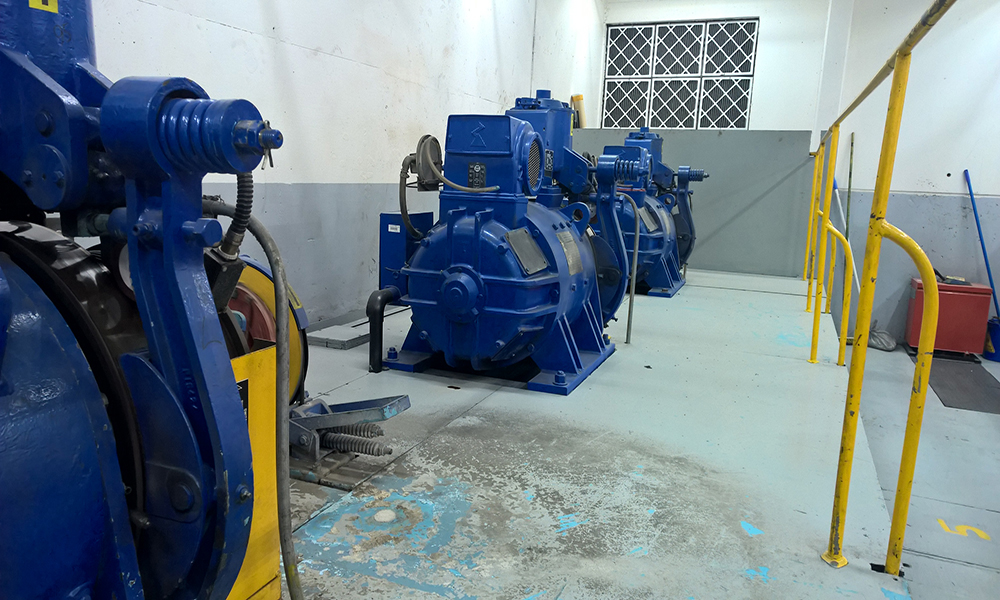
Elevator (Lift) Certification & Compliance
Lifts are classified as registrable plant and fall under state-based safety regulators.
Ask yourself:
- Are all lifts maintained under a documented maintenance regime in line with AS 1735?
- Are they registered with the relevant authority (e.g. SafeWork NSW, WorkSafe Victoria, WorkSafe ACT)?
- Are periodic inspections and certifications current?
- Does the lift operate correctly under fire mode and emergency recall conditions?
Failure to comply here is high-risk, both from a life safety and regulatory enforcement perspective.
Condenser Water Treatment & Legionella Control
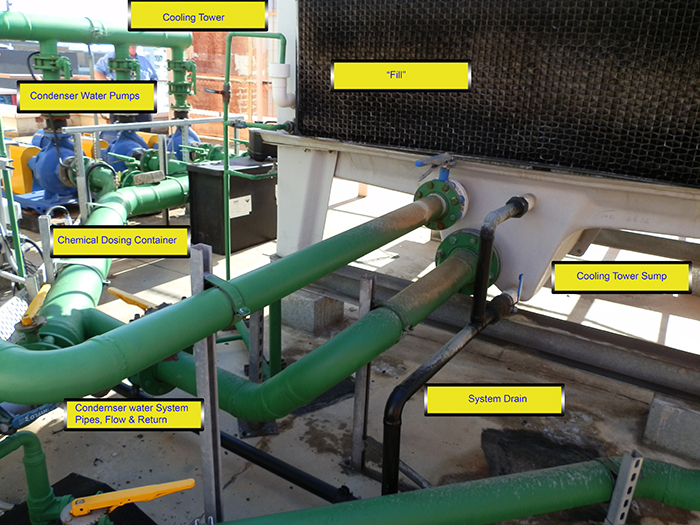
Buildings with cooling towers or condenser water systems have strict public health obligations.
- Are you required to implement a risk management plan?
- Are you conducting routine testing and treatment in line with:
- AS/NZS 3666
- Are records maintained and available for audit?
Failure in this area can lead to outbreaks of Legionnaires’ disease, which carry serious legal, financial, and reputational consequences.
Backflow Prevention – RPZ Valves
Backflow prevention devices protect the potable water supply — and are mandatory.
- Do you understand what an RPZ valve does?
- Are all devices tested annually in accordance with:
- AS/NZS 3500
- Who is your test report submitted to? (e.g. local council, Sydney Water, relevant authority)
- What is your response plan if a device fails?
This is not just compliance — it is public health protection.
Water Tank Inspections & Compliance
Water storage systems are often overlooked — until they become a problem.
- What tanks exist on your site? (potable, fire, rainwater, process)
- Why are they required and what do they serve?
- When were they last cleaned, inspected, and certified?
Key standards include:
- AS 1851 (fire tanks)
- AS 2070 (where applicable)
Also consider:
- Expansion tanks serving chilled water, heating hot water, and condenser systems — are they maintained and compliant with relevant pressure vessel and mechanical standards?
Essential Systems (Life Safety Measures)
These systems exist to protect life — and are heavily regulated.
- Is your HVAC system classified as part of the building’s essential services?
- Are emergency and exit lights tested in accordance with:
- AS/NZS 2293
- Is the fire stair pressurisation system tested and operational?
- Does your fire system correctly interface with:
- Power shutdown
- Lift recall
- Air handling shutdown
- Are you completing annual compliance reporting such as:
- Essential Safety Measures (VIC)
- Annual Fire Safety Statements (NSW)
Testing frequency and depth are not optional, they are prescribed.
Lease Obligations & Tenant Commitments
Compliance responsibilities are often shared, but rarely clear.
- What certifications are you obligated to provide to tenants?
- Do tenant fit-outs require council approval or building permits?
- Who is responsible for tenant-installed systems (e.g. server room cooling)?
- Are base building systems clearly separated from tenancy systems?
Misalignment here creates:
- Legal disputes
- Cost exposure
- Compliance gaps
Pressurised Vessels – Boilers & Chillers
Pressure equipment is regulated due to inherent risk.
- Are boilers and chillers inspected and certified in accordance with:
- AS 3788
- Are inspection intervals (typically 2 years or as risk assessed) being met?
- Are records and certificates current and accessible?
This is a critical compliance area often missed in fragmented maintenance contracts.
Roof Anchor Points & Height Safety Systems
Working at height introduces significant liability.
- Are anchor points inspected and recertified annually in accordance with:
- AS/NZS 1891.4
- Do you have enough anchor points for safe access?
- What triggers the requirement for additional systems?
This is both a WHS obligation and a contractor safety requirement.
Work Health & Safety (WHS)
Under Australian law, you operate as a duty holder.
Your obligations are defined under:
- Work Health and Safety Act 2011
You must manage:
- Hot works permits and high-risk activities
- Contractor inductions and compliance
- Insurance verification (public liability, workers comp, etc.)
- Incident management and reporting
Key question:
- Do all contractors, including tenant contractors, comply with your building’s rules?
If not, you carry the risk.
Ventilation & Minimum Indoor Air Requirements
Air quality is both a compliance and wellbeing issue.
- Does loss of air conditioning require evacuation in your building?
- Should toilet exhaust systems run continuously or intermittently?
- Are car park ventilation systems linked to CO sensors and operating correctly?
Relevant standards include:
- AS 1668
- Are systems operating as designed — or simply “running”?
Emergency Egress Systems
Safe exit from a building is a fundamental requirement.
- What systems support emergency egress?
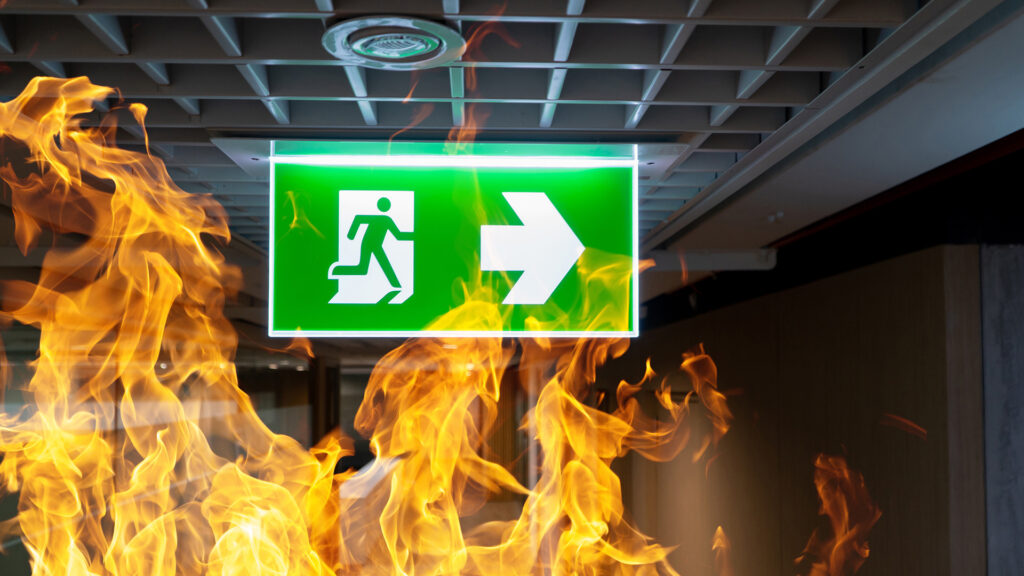
- Are exit paths clear, illuminated, and compliant?
- Are lifts used in evacuation? (Generally no, unless specifically designed)
Compliance is linked to:
- National Construction Code
Fire Stairs – Non-Negotiable Compliance
Fire stairs are not flexible-use spaces.
- Storage in fire stairs? Not permitted
- Daily use as access? Generally not permitted
- Doors wedged open? Illegal
- Should doors self-close? Always
Any breach here is a direct life safety risk and a common audit failure.
Health, Wellness & Duty of Care
Beyond compliance, expectations are increasing.
You are now responsible for:
- Indoor air quality
- Thermal comfort
- Lighting levels
- Water quality
These factors influence:
- Tenant satisfaction
- Retention
- Asset performance
Audits, Reporting & Compliance Oversight
One of the most overlooked obligations is structured auditing.
You should be able to demonstrate:
- A current compliance register
- Up-to-date certifications across all systems
- Routine independent audits of building services
- Documented maintenance and inspection records
- Clear contractor management processes
If an incident occurs, your documentation becomes your primary defence.
Final Thought
Most buildings are not non-compliant because of one major failure.
They are non-compliant because of:
- Missed inspections
- Unclear responsibilities
- Poor documentation
- Assumptions that “someone else is handling it”
If You’re Unsure — That’s the Risk
If you cannot confidently answer these questions:
You don’t have a maintenance issue.
You have a compliance exposure.
[…] you cannot confidently answer the questions below, your exposure is not theoretical — it is […]
[…] Fixed Plant Management and Legal Obligations […]
[…] Fixed Plant Management and Legal Obligations […]