Asset Registers: The Hidden Profit Lever in Commercial Buildings
Most commercial buildings don’t fail because of major disasters.
They quietly lose money through poor asset visibility, reactive maintenance, and unplanned capital spend.
And in almost every case, the root cause is the same:
No live, structured Asset Register.
Why Your Asset Register Tells the Real Story of Your Building
An Asset Register isn’t paperwork.
It’s the operational backbone of your facility.
In fact, the state of a building’s Asset Register often reveals:
- Whether maintenance is proactive or reactive
- If budgets are planned or constantly blown out
- Where compliance risk is building quietly
- Which systems are draining energy and cash
When Asset Registers fall to the bottom of the priority list, it usually means one thing:
👉 The building is being managed under pressure — not under control.
And pressure always costs more.
What an Asset Register Actually Does (Beyond Just Listing Equipment)
A properly structured Asset Register allows you to:
✅ Forecast capital replacement years in advance
✅ Track repeat equipment failures
✅ Monitor warranty exposure
✅ Link maintenance history to asset performance
✅ Identify high-cost problem systems early
✅ Control long-term operating costs
This transforms building management from “management by crisis” into strategic, intelligent control, and potentially can improve the building’s reputation and thus its overall capital value. By effective maintenance management via the asset register, there are potential energy savings, especially in the upgrade of obsolete, high-consuming lights and HVAC equipment. This, in turn, supports you NABERS rating and consequently higher yields per meter on the commercial space leases.
Think of Your Building Like a High-Value Vehicle Fleet
You wouldn’t operate a fleet of vehicles without:
- Service schedules
- Replacement planning
- Performance tracking
- Fuel Monitoring (energy consumption)
Yet many commercial buildings worth tens or hundreds of millions run blindly.
Your Asset Register is your building’s lifecycle roadmap.
Without it, every failure becomes an emergency, and every emergency costs more.
What Should Be in a Commercial Asset Register?
Each asset should include decision-ready data such as:
- Location & system type
- Manufacturer & model
- Capacity and size
- Installation year
- Expected lifespan
- Replacement cost
- Installation cost
- Obsolescence risk
- Anticipated failure window
Anticipated Failure Windows & Asset Lifecycle Planning
By identifying anticipated failure windows for major building systems, landlords can move from reactive spending to structured, long-term capital planning.
This enables:
- Accurate budgeting for staged upgrades and replacements
- Avoidance of sudden plant failures and emergency costs
- Minimal disruption to tenants and building operations
- Clear visibility that the landlord is proactive, not reactive
- Stronger tenant retention and improved building reputation
- Higher long-term rental returns and asset value
Instead of waiting for critical systems to fail, proactive lifecycle forecasting turns maintenance into a strategic investment — protecting cash flow while future-proofing the building.
How Deep Should an Asset Register Go?
Not everything needs to be tracked.
The smart approach is financial risk-based inclusion.
We focus on:
✔ High-value assets
✔ Energy-intensive plant
✔ Failure-prone components
✔ Compliance-critical systems
✔ Items over ~$2,000 replacement value
For example, in HVAC systems we track motors, filters, belts, controls, not every single item or parts.
This keeps the register commercially powerful and easy to maintain.
The Biggest Mistake: Treating the Register as a One-Off Report
An Asset Register must be a live management system.
It should evolve with:
- Upgrades
- Failures
- Replacements
- Budget reviews
- Compliance audits
Without ongoing updates, its value quickly erodes — especially in modern buildings with technology-heavy systems like:
• BMS platforms
• Mechanical plant
• Electrical infrastructure
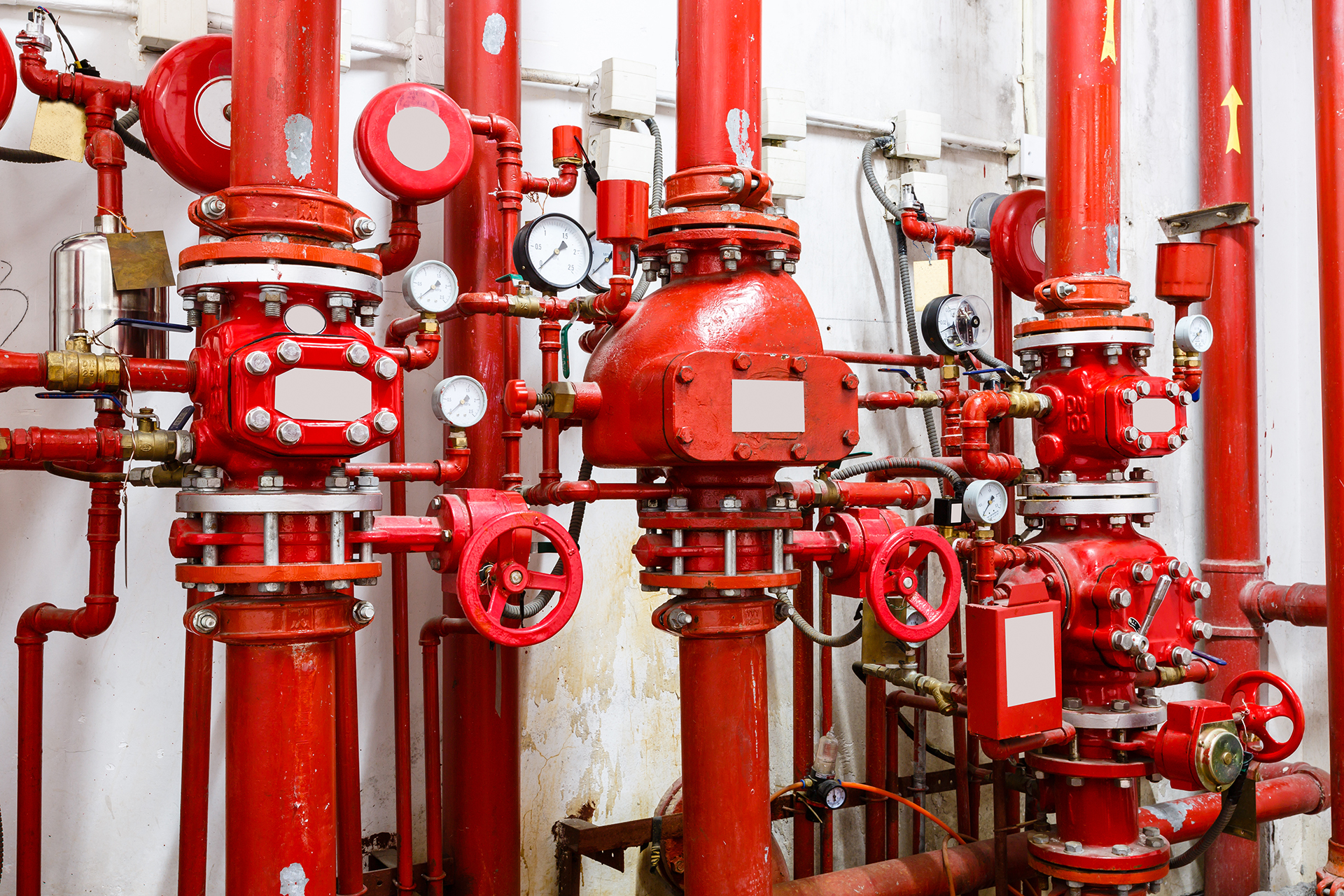
• Fire & life safety systems
Software Doesn’t Fix Poor Asset Strategy
Whether you use:
- Asset management platforms
- CAFM systems
- Or structured spreadsheets
The tool matters far less than:
👉 Clear scope
👉 Financial relevance
👉 Ongoing management
Strategy first. Software second.
The Compliance & Cost Reality in NSW and VICTORIA
With increasing pressure around:
- Essential services performance
- Energy efficiency
- Safety compliance
- Capital forecasting transparency
Buildings without structured asset data are exposed, financially and legally. This is especially prominent now with the Fire Protection System and AS 1851 becoming law. This standard requires baseline data to be collected and held over time. Asset registers for fire protection system are a fundamental component of the fire maintenance regime
Take Control of Your Building’s True Performance
At Performance Facility Management, we help commercial property owners and facility managers:
✔ Build accurate Asset Registers
✔ Link assets to maintenance history
✔ Forecast lifecycle costs
✔ Reduce reactive spend
✔ Improve compliance confidence
✔ Extend plant lifespan
[…] (or data base) which can become secondary to looking after tenants and contractors, hence, if the asset register has a low priority, then it bares to question as to what other important and fundamental aspects of […]