Across commercial buildings in Sydney and Melbourne, many ongoing operational issues rarely occur in isolation. What may begin as minor comfort complaints, rising energy costs, or uncertainty around compliance often points to deeper, interconnected problems within building systems. HVAC systems may no longer be operating as originally designed, Building Management Systems may have been modified over time and lost integrity, and compliance obligations may be managed across multiple contractors without clear oversight.
As these issues develop, buildings can become increasingly reliant on reactive maintenance, with recurring faults, inconsistent performance, and growing operational risk. Property managers and facility managers are then left coordinating multiple service providers, responding to tenant concerns, and managing compliance pressures — often without a clear understanding of the root cause.
Across Sydney and Melbourne, where tenant expectations, energy performance targets, and compliance requirements continue to increase, this lack of technical control can quickly impact both building performance and asset value.
The following three sections outline the most common challenges we encounter in commercial buildings — HVAC Systems Not Performing, BMS That Can’t Be Trusted, and Compliance Uncertainty & Risk. Together, these areas represent the core systems that influence how a building operates day-to-day. By addressing these issues in a structured and coordinated way, Performance FM helps restore control, improve reliability, and ensure commercial buildings operate as intended.
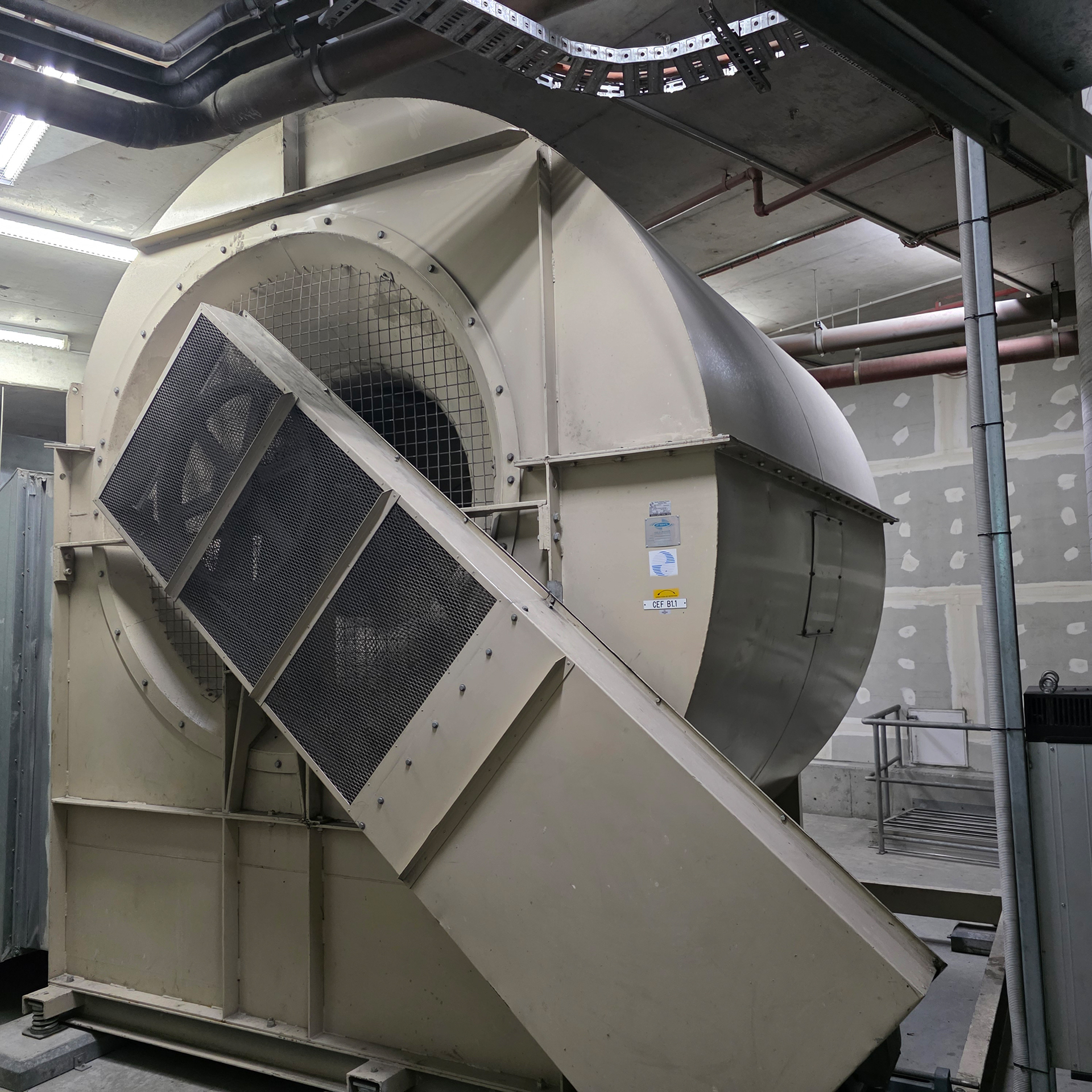
HVAC Systems Not Performing
- Inconsistent temperatures across tenancies
- Hot and cold complaints that never fully resolve
- Systems running continuously or outside of required hours
- Frequent breakdowns or emergency callouts
- High energy consumption with poor comfort outcomes
- Plant operating outside of design intent
HVAC systems are the single largest driver of comfort, energy use, and tenant satisfaction in commercial buildings — yet they are often the least understood at a system level.
In many buildings across Sydney and Melbourne, HVAC issues are addressed symptom by symptom. A tenant complains, a contractor attends, a component is adjusted or replaced — but the underlying problem remains.
Over time, this leads to a cycle of:
- repeated callouts
- inconsistent performance
- increasing maintenance costs
- declining confidence in the system
The system is being worked on… but never truly brought back under control.
What’s Really Going Wrong
In most cases, HVAC problems are not caused by a single failure — but by a combination of underlying issues:
- Poorly configured or outdated BMS control strategies
- Incorrect setpoints or scheduling
- Sensors providing inaccurate data
- Systems fighting each other (e.g. simultaneous heating and cooling)
- Air and water systems out of balance
- Equipment operating beyond its intended range
These issues are rarely identified through standard maintenance alone.
Without a coordinated, system-level view, problems are treated in isolation — and continue to return.
Our Approach
Performance FM takes a structured, technical approach to HVAC performance.
Rather than reacting to faults, we assess how the entire system is operating — from plant equipment through to control strategies and system interaction.
Working in conjunction with WR8Tech, we:
- Investigate recurring faults and identify root causes
- Review BMS logic, setpoints and control strategies
- Assess plant operation against design intent
- Identify inefficiencies and unnecessary run conditions
- Coordinate targeted rectification and system tuning
This approach ensures that systems are not just repaired — but stabilised and optimised.
The Result
- Consistent temperature control across tenancies
- Fewer breakdowns and reactive callouts
- Reduced energy consumption
- Improved tenant comfort and satisfaction
- Greater confidence in system operation
Most importantly, your HVAC system moves from a source of ongoing issues to a reliable, controlled asset within the building.
Bringing HVAC Back Under Control
Across Sydney and Melbourne, buildings that perform well are not those with the most maintenance — but those with the right level of technical control.
Performance FM provides that control, ensuring your HVAC systems operate as they were intended — efficiently, reliably, and in alignment with the needs of the building.
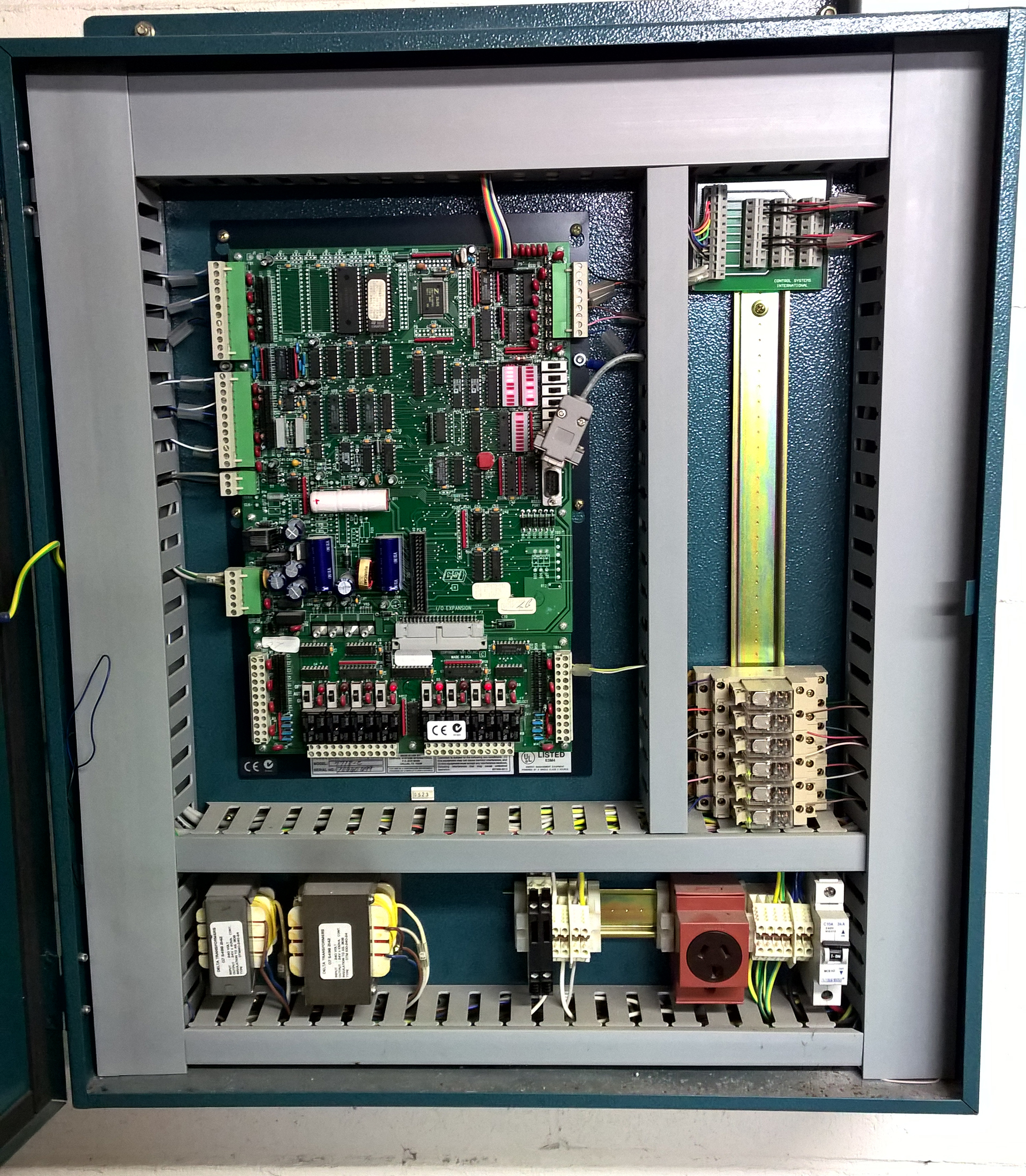
BMS That Can’t Be Trusted
- System readings that don’t reflect actual conditions
- Graphics that look correct but don’t represent real operation
- Alarms that are ignored, disabled, or constantly active
- Control strategies that are outdated, overridden, or unclear
- Limited visibility of faults, trends, or system behaviour
- Loss of confidence in the BMS as a reliable tool
The Building Management System should be the central point of control for a commercial building — providing visibility, stability, and confidence in how systems are operating.
In many buildings across Sydney and Melbourne, it becomes the opposite.
Over time, BMS platforms are modified by multiple contractors, control strategies are altered without proper documentation, and overrides are left in place to “get things working.” Graphics are updated without reflecting real system changes, and alarms become background noise rather than meaningful indicators.
The result is a system that looks operational — but cannot be trusted.
What’s Really Going Wrong
A BMS rarely fails outright. Instead, it gradually loses integrity.
Common underlying issues include:
- Poorly structured or undocumented control logic
- Overrides and manual interventions left in place
- Inconsistent naming conventions and point mapping
- Lack of trending or incorrect trend configuration
- Integration issues across BACnet or third-party systems
- No clear ownership of system performance
As these issues build over time, the BMS shifts from a control system to a monitoring tool of questionable accuracy — and eventually, something operators stop relying on altogether.
Our Approach
Performance FM restores the BMS as a true control platform, not just a display interface.
Working with WR8Tech, we take a structured approach to reviewing and optimising your system:
- Audit BMS architecture, point mapping and system integrity
- Review and rationalise control strategies and logic
- Identify and remove unnecessary overrides
- Validate sensor inputs and system feedback
- Re-establish meaningful alarms and fault visibility
- Configure trends to provide real operational insight
Where required, we work within platforms such as Niagara and BACnet systems to ensure integration and control strategies are aligned with how the building should operate.
This ensures the BMS becomes a reliable, decision-making tool — not a source of uncertainty.
The Result
- Accurate, reliable system data
- Clear visibility of faults and system performance
- Control strategies aligned with building operation
- Reduced reliance on manual intervention
- Increased confidence for facility and property managers
Most importantly, your BMS becomes what it was intended to be:
Performance FM provides that structure — combining system oversight with hands-on technical expertise to ensure your BMS is not just operational, but fully under control.
A trusted point of control for the entire building.
Restoring Confidence in Your BMS
Across Sydney and Melbourne, buildings that perform well rely on a BMS that is accurate, structured, and actively managed.

Compliance Uncertainty & Risk
- Uncertainty around compliance with AS1851 and AS1668
- Gaps in essential services maintenance or documentation
- Pressure associated with Annual Fire Safety Statements (AFSS)
- Incomplete or inconsistent service records
- Limited visibility of compliance status across systems
- Reliance on multiple contractors with no central oversight
In commercial buildings across Sydney and Melbourne, compliance is often assumed to be under control — until it is tested.
Essential services may be inspected regularly, contractors may be engaged, and reports may be generated. However, without clear coordination and technical oversight, gaps can develop between what is required, what is delivered, and what is recorded.
These gaps are not always obvious — but they carry real risk.
What’s Really Going Wrong
Compliance issues rarely stem from a complete lack of maintenance. More often, they arise from fragmentation and lack of control.
Common underlying problems include:
- Misalignment between maintenance activities and statutory requirements
- Incomplete understanding of how standards like AS1851 and AS1668 apply to the building
- Mechanical services systems (such as car park ventilation) not operating as required under fire conditions
- Poor coordination between fire contractors, mechanical contractors, and BMS controls
- Documentation that does not accurately reflect the current state of systems
Without a structured approach, compliance becomes reactive — driven by deadlines rather than controlled through ongoing oversight.
Our Approach
Performance FM provides a clear, structured approach to compliance management — aligned with how building systems actually operate.
We don’t just track compliance — we ensure it is technically supported and verifiable.
Working alongside WR8Tech, we:
- Review essential services and maintenance regimes against applicable standards
- Coordinate contractors to ensure works align with compliance requirements
- Verify that mechanical systems (including HVAC and car park ventilation) operate as intended under required conditions
- Align BMS operation with compliance and safety functions
- Establish clear reporting and documentation frameworks
This ensures that compliance is not just documented — but real, functional, and defensible.
The Result
- Clear visibility of compliance status across the building
- Reduced risk of gaps or non-conformance
- Confidence in AFSS submissions and supporting documentation
- Better coordination between contractors and systems
- Assurance that critical systems will perform when required
Most importantly, compliance moves from a point-in-time obligation to an actively managed and controlled process.
Taking Control of Compliance
Across Sydney and Melbourne, increasing regulation and scrutiny mean that compliance can no longer be treated as a checklist exercise.
Performance FM provides the structure, oversight and technical understanding required to ensure your building not only meets its obligations — but does so with confidence.
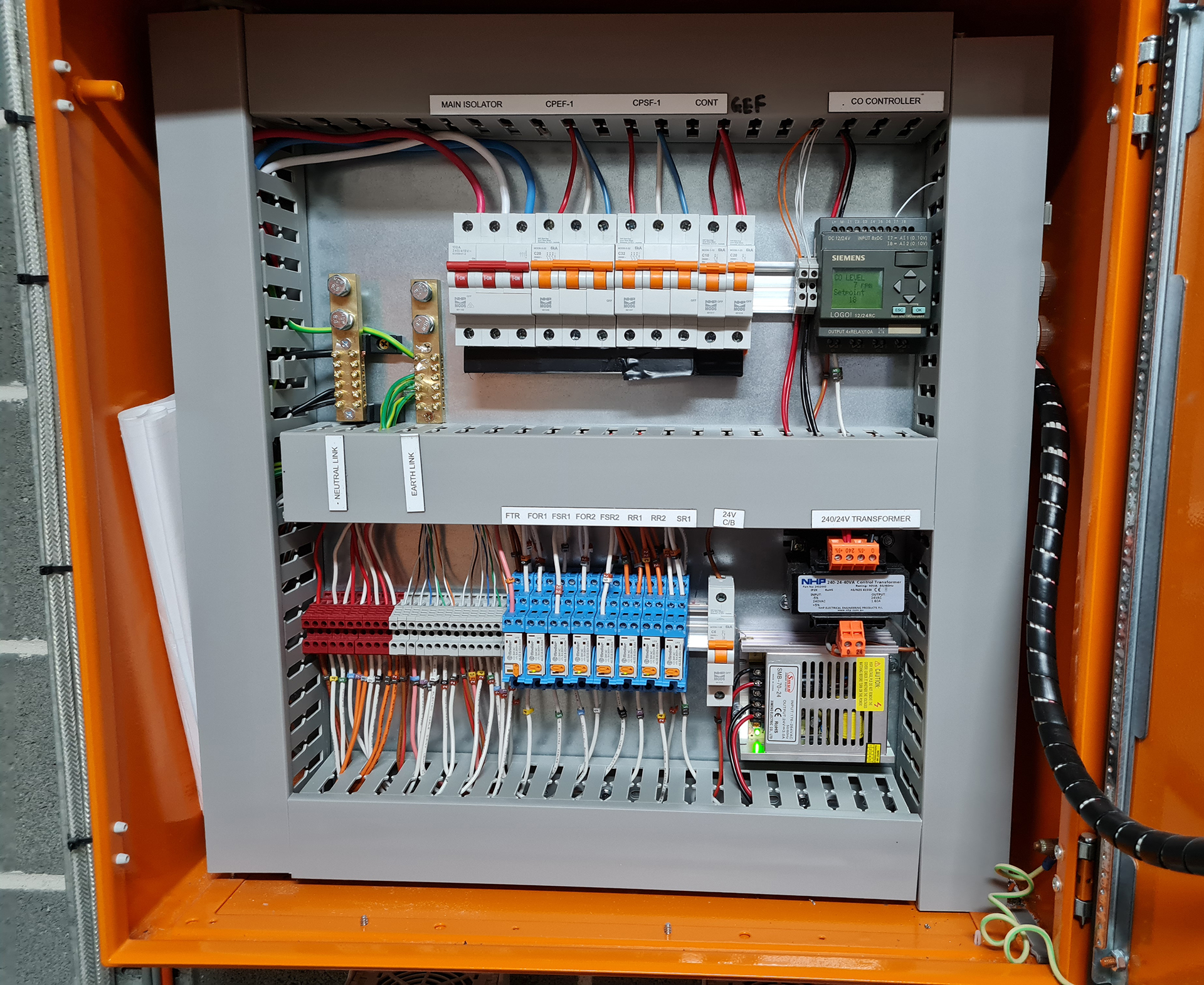
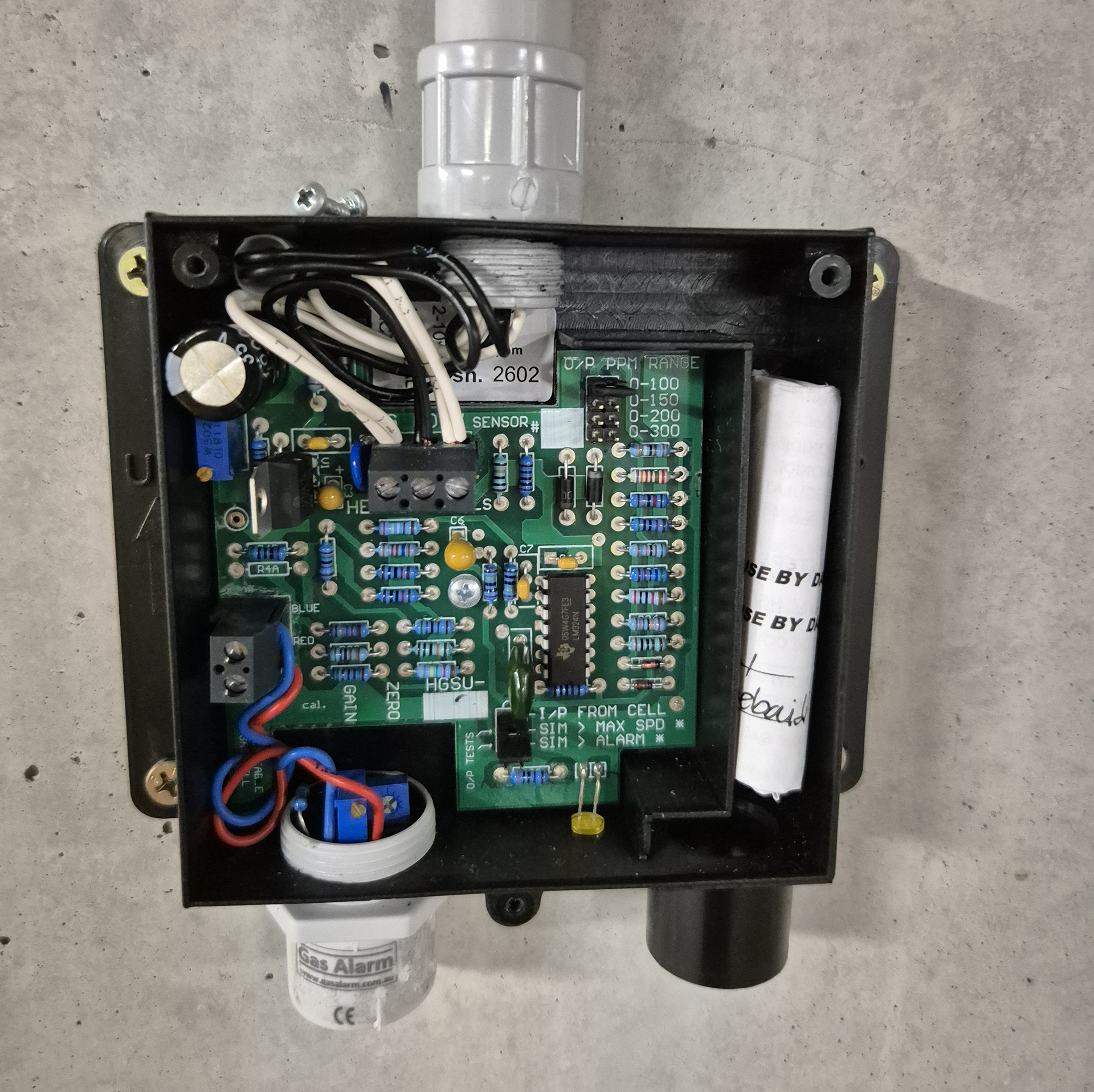
Take Control of Your Building Systems
Across Sydney and Melbourne, commercial buildings that perform well are not simply maintained — they are actively managed and technically controlled.
When HVAC systems underperform, BMS platforms lose integrity, or compliance becomes uncertain, the impact is rarely isolated. These issues influence comfort, energy consumption, operational costs, and overall asset performance.
Performance FM provides a structured approach to identifying and resolving these challenges. By combining asset oversight with in-house technical expertise through WR8Tech, we take responsibility for how building systems actually perform — not just how they are maintained.